

Pull to refresh
Logo
UN elects five International Court of Justice judges as caseload hits record

UN elects five International Court of Justice judges as caseload hits record

Rule Changes

A third of the 15-member bench turns over for nine-year terms beginning February 2027.

Overview

Updated Yesterday

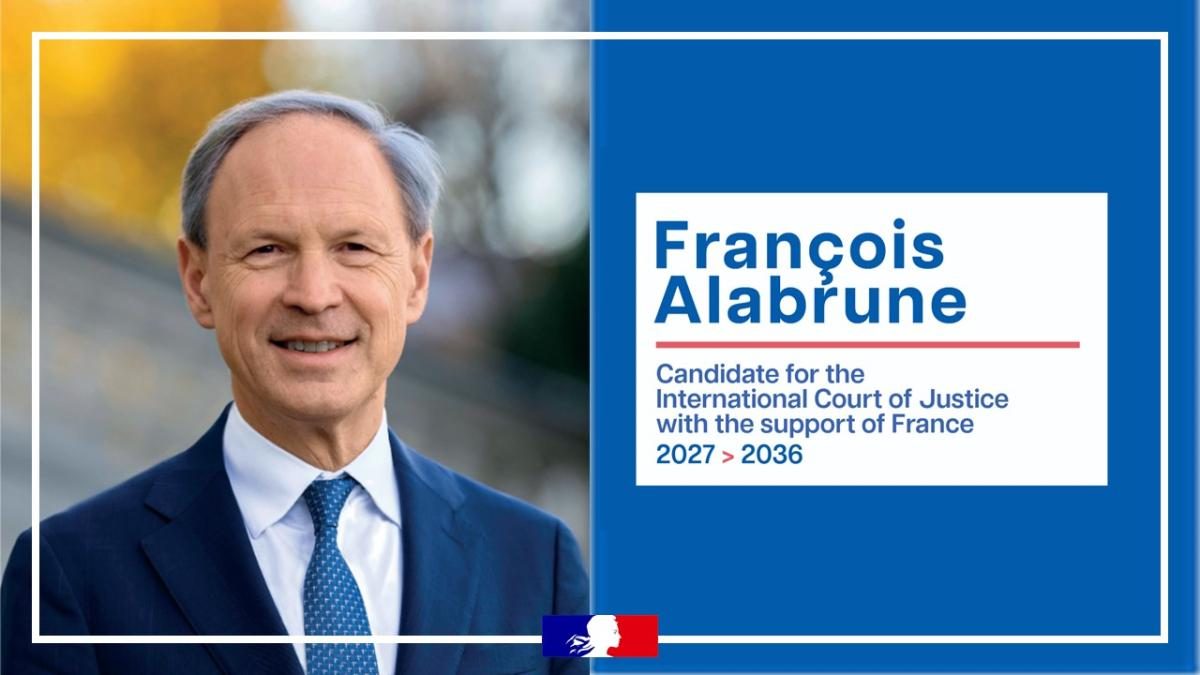
The United Nations elected five judges to the International Court of Justice on November 3, filling a third of the 15-member bench for nine-year terms that begin February 6, 2027. Four won in the first round. The fifth needed multiple ballots after the Security Council and General Assembly backed different candidates.

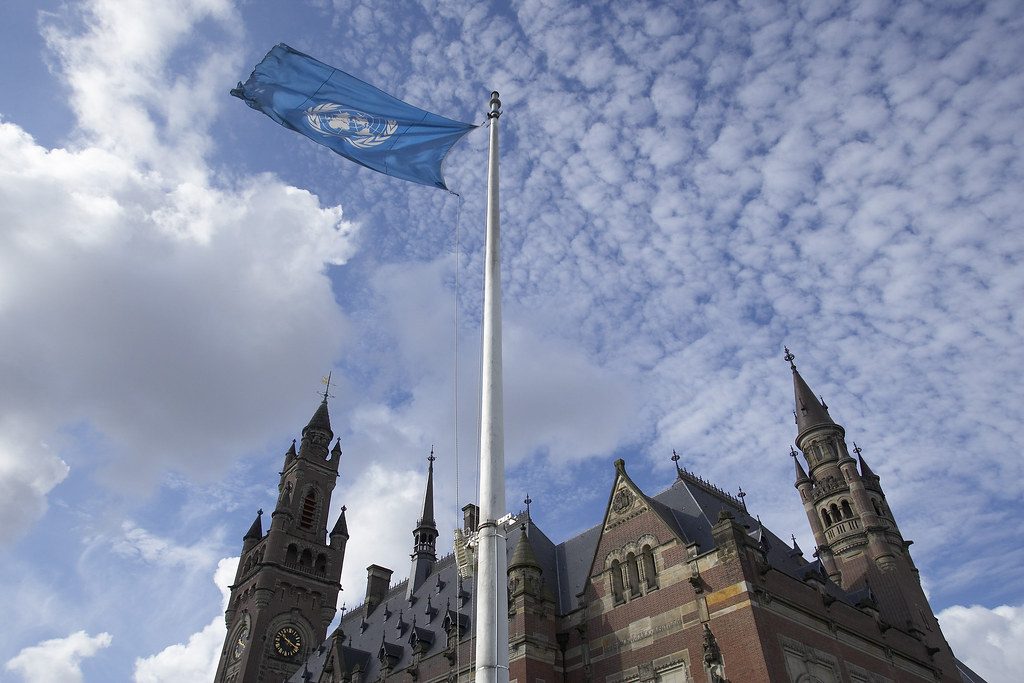
The court is carrying 24 contentious cases, its president told the General Assembly in late October. They include South Africa's genocide case against Israel over Gaza and The Gambia's case against Myanmar over the Rohingya. A judgment in the Myanmar case is scheduled for November 19.

Why it matters

Five new judges will help decide the genocide cases and territorial disputes now before the court, including whether Israel's Gaza campaign violated the Genocide Convention.

Questions about this story

Free account needed to ask — your question is kept and asked for you right after sign-up. Answers are public.

No questions yet — be the first to ask.

Key Indicators

5
Judges elected
Seats filled in the November 3 vote.
24
Pending contentious cases
Count given by ICJ President Yuji Iwasawa to the General Assembly.
15
Judges on the court
Each from a different country, serving nine-year terms.
13
Okowa's final-round Council votes
Two Security Council members abstained.
Nine years
Term length
Judges may be re-elected; a third of the bench turns over every three years.

Voices

Curated perspectives — historical figures and your fellow readers.

Sign up to generate historical perspectives on this story.

People Involved

Organizations Involved

Timeline

May 2025 February 2027

9 events Latest: Yesterday
Tap a bar to jump to that date
  1. New judges' terms begin

    Upcoming Appointment

    The five judges start nine-year terms on the 15-member bench.

  2. UN elects five ICJ judges

    Latest Election

    Four win in the first round; Okowa takes the fifth after multiple ballots.

  3. Iwasawa reports 24 pending cases

    Statement

    The ICJ president tells the General Assembly the court faces a record contentious caseload.

  4. Security Council meets ICJ president

    Statement

    The annual private meeting covers the court's role in conflict prevention and its growing caseload.

  5. Okowa wins by-election for Yusuf's seat

    Appointment

    Phoebe Okowa wins after multiple ballots, finishing the term ending February 5, 2027.

  6. Yusuf resigns from the ICJ

    Appointment

    Judge Abdulqawi Ahmed Yusuf's resignation takes effect, opening a seat through February 2027.

  7. Hmoud joins the court

    Appointment

    Mahmoud Daifallah Hmoud fills the seat vacated by Nawaf Salam, who became Lebanon's prime minister.

Scenarios

1

ICJ delivers Gambia v. Myanmar judgment on schedule

Likely Resolves by Nov 19, 2026

Discussed by: The ICJ announced the judgment date; court watchers expect it to proceed.

The court has scheduled a judgment for November 19, 2026 in The Gambia's case accusing Myanmar of genocide against the Rohingya minority. A ruling on that date would give the court a major decision while its new judges prepare to take their seats.

2

ICJ reaches final merits ruling in South Africa v. Israel by end of 2027

Possible Resolves by End of 2027

Discussed by: Legal analysts tracking the ICJ docket.

South Africa's genocide case against Israel has produced provisional measures but no final ruling on the merits. A merits judgment would require the court to decide whether Israel's Gaza campaign violated the Genocide Convention. The newly elected judges will sit for any ruling issued after February 2027.

3

ICJ pending caseload passes 30 contentious cases

Possible Resolves by End of 2027

Discussed by: ICJ President Yuji Iwasawa's caseload remarks to the General Assembly.

The court reported 24 pending contentious cases in October 2026, part of a decade-long rise in filings. If states keep bringing disputes over territory, treaties and human rights, the docket could cross 30 cases by the end of 2027.

Historical Context

3 moments from history that rhyme with this story — and how they unfolded.

November 2017

Britain loses its ICJ seat (2017)

Britain's Sir Christopher Greenwood lost his seat on the International Court of Justice to India's Dalveer Bhandari after multiple rounds of voting in the Security Council and General Assembly. It was the first time since the court's founding that no British judge sat on the bench.

Then

Britain was left without a judge on the 15-member court.

Now

The result became a reference point for how a permanent Security Council member can lose a judicial seat through the parallel voting process.

Why this matters now

Dapo Akande's 2026 election restores a British seat, and the 2026 fifth-seat contest followed the same run-off logic.

November 2025

Okowa fills Yusuf's seat (2025)

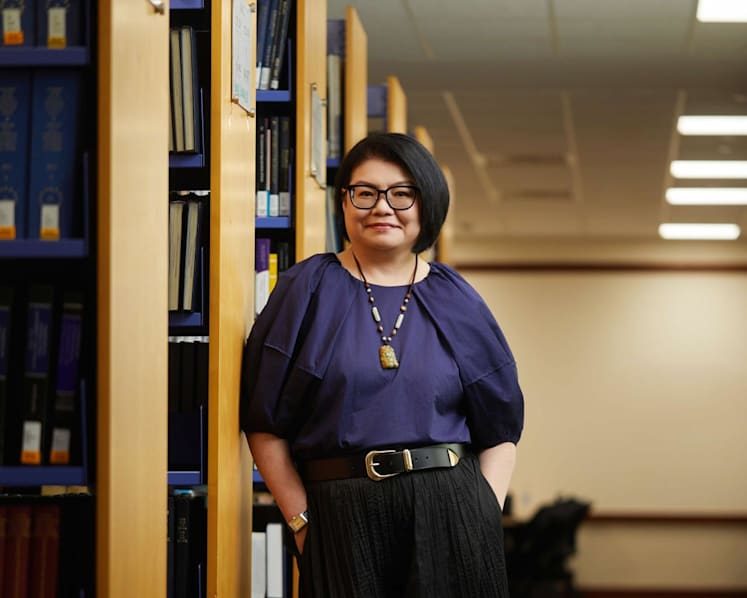
After Abdulqawi Ahmed Yusuf resigned, Kenya's Phoebe Okowa and Sierra Leone's Charles Jalloh contested the vacancy. The Security Council and General Assembly split, forcing additional ballots under Article 11 of the court's statute. Okowa ultimately won both chambers.

Then

Okowa joined the court for a term ending February 5, 2027.

Now

The episode showed how the two UN bodies resolve disagreement over a single seat.

Why this matters now

The same split-and-run-off pattern decided the fifth seat again in 2026.

January 2024

South Africa v. Israel provisional measures (2024)

South Africa asked the ICJ to rule that Israel's Gaza campaign violated the Genocide Convention. In January 2024 the court ordered provisional measures, including that Israel take steps to prevent genocidal acts, without deciding the merits.

Then

Israel was ordered to report on compliance; the case continued.

Now

The case remains pending, with no final ruling on whether genocide occurred.

Why this matters now

It is one of the 24 contentious cases the newly elected judges will help decide.

Sources

(8)