

Pull to refresh
Logo
US credit card balances reach a record as household debt climbs

US credit card balances reach a record as household debt climbs

Money Moves

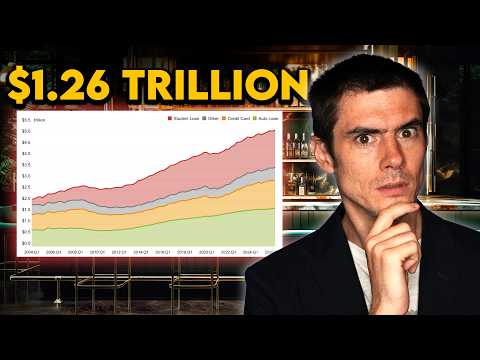
Card debt hit $1.29 trillion in the third quarter, and total household debt reached $19.1 trillion

Overview

Updated Yesterday

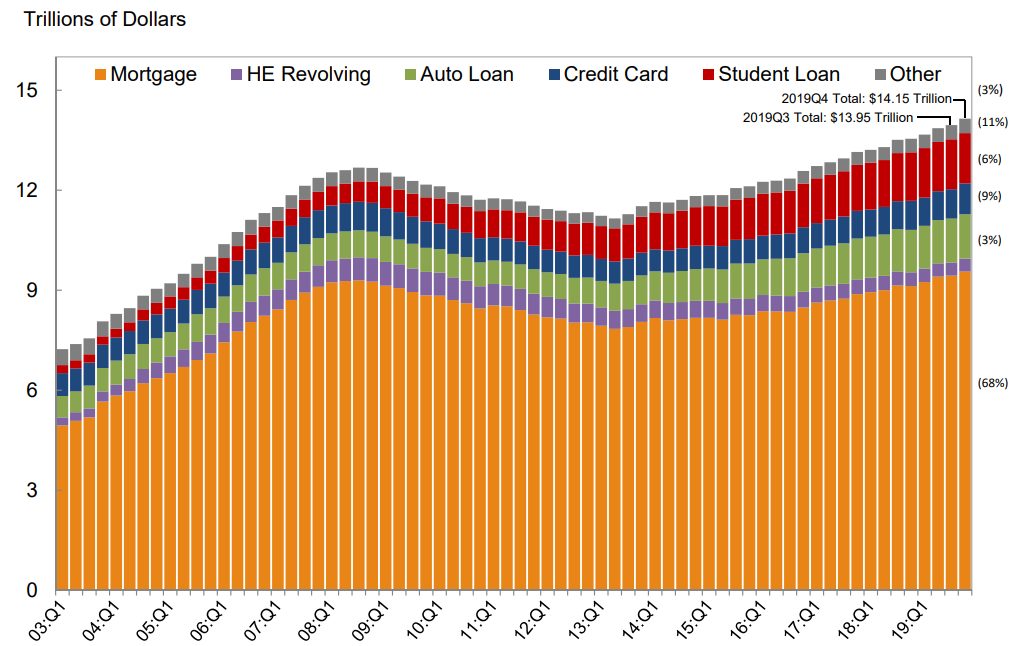
Americans held $1.29 trillion in credit card balances at the end of September, a record, the Federal Reserve Bank of New York reported on Nov. 10. Total household debt, including mortgages, auto loans and student loans, reached $19.1 trillion.

The record comes with a split. Balances are still climbing, but the share of card debt newly falling 90 days behind dropped to 6.87% from 7.05% a year earlier. New York Fed researchers credit tighter lending standards and expect the improvement to hold, unless borrowing costs rise again.

Why it matters

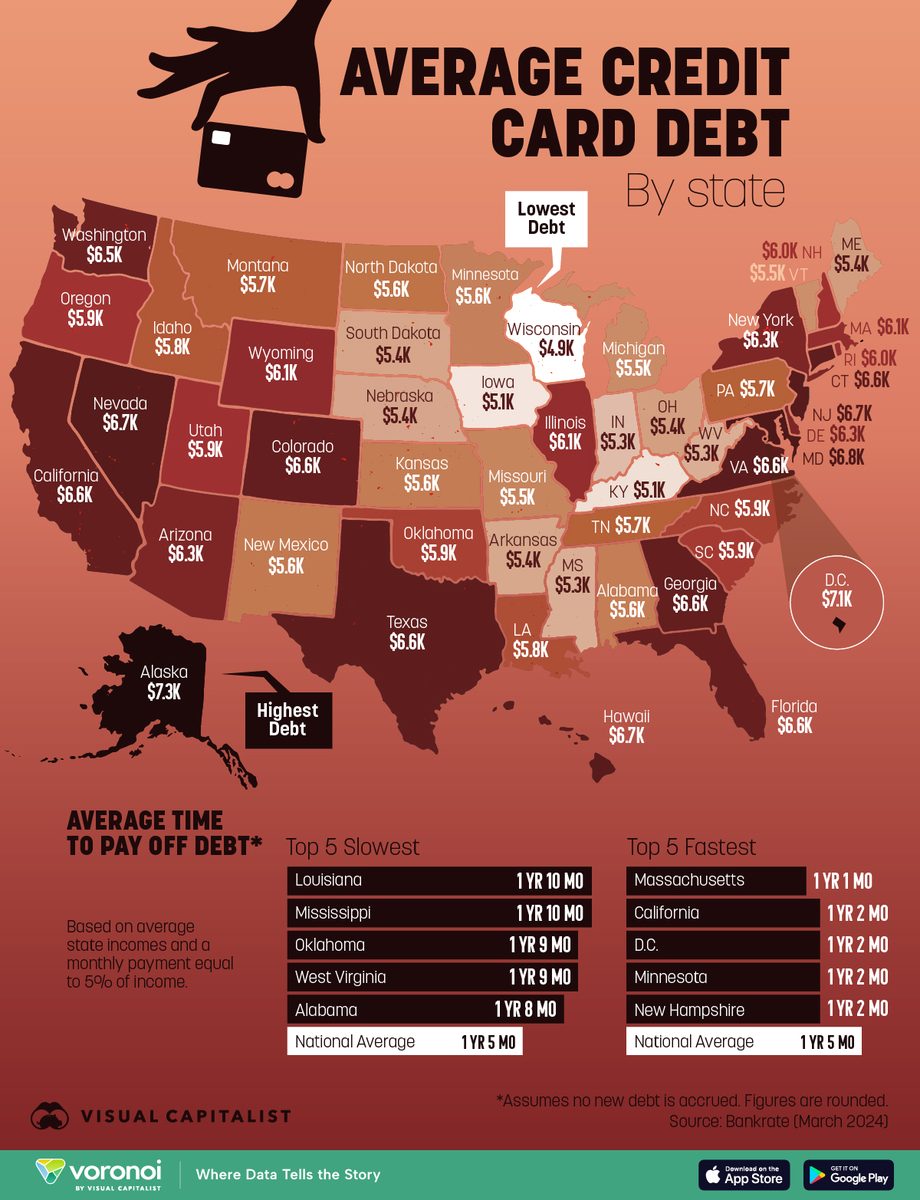
Card balances cost about 24% a year in interest, so a December rate hike would raise the price of debt for 178 million cardholders.

Questions about this story

Free account needed to ask — your question is kept and asked for you right after sign-up. Answers are public.

No questions yet — be the first to ask.

Key Indicators

$1.29T
Credit card balances
Record total at the end of the third quarter of 2026, up $22 billion in the quarter.
$19.1T
Total household debt
Includes mortgages, auto loans, student loans and credit cards.
4.2%
Card balance growth, year over year
Card balances rose $52 billion from the third quarter of 2025.
$6,678
Average card balance per consumer
TransUnion figure, up 2.4% from a year earlier.
24%
Average APR on new card offers
LendingTree estimate; most card rates are tied to the prime rate.
5.0%
Debt in some stage of delinquency
Up 0.3 percentage points from the previous quarter.
6.87%
Card balances flowing into serious delinquency
Down from 7.05% a year earlier, an improvement.
178 million
Americans with a credit card
Up 2% from 174.8 million a year earlier, per TransUnion.

Voices

Curated perspectives — historical figures and your fellow readers.

Sign up to generate historical perspectives on this story.

People Involved

Organizations Involved

Timeline

2020 November 2026

6 events Latest: Yesterday
Tap a bar to jump to that date
  1. Credit card balances hit a record $1.29 trillion

    Latest Data

    The New York Fed's quarterly report showed card balances up $22 billion in the third quarter and 4.2% from a year earlier.

  2. Total household debt reaches $19.1 trillion

    Data

    Mortgages rose $257 billion; HELOC balances had their largest quarterly increase since 2005.

  3. October consumer prices rise 0.4%, above forecast

    Inflation

    The Bureau of Labor Statistics reported prices rose more than the 0.3% forecast, keeping pressure on household budgets.

  4. TransUnion: average card balance $6,678

    Data

    The credit bureau said cardholders rose 2% to 178 million and average balances grew 2.4% year over year.

  5. Serious card delinquencies start diverging by neighborhood income

    Data

    The gap in new serious card delinquencies between lower- and higher-income ZIP codes widened from 2022 onward, per New York Fed research.

  6. Card issuers loosen lending standards

    Lending

    A larger share of new cards went to borrowers in the lowest-income ZIP codes; the median credit score at issuance fell from 699 in 2017-19 to 688 in 2020-22.

Scenarios

1

Fed raises rates in December, pushing card APRs higher

Likely Resolves by Dec 10, 2026

Discussed by: CME FedWatch, via Yahoo Finance

Traders assign 90.9% odds to a quarter-point move at the Dec. 9 meeting. Because most card rates are tied to the prime rate, a hike would reach variable card balances within one or two billing cycles, raising the cost of carrying a balance.

2

Card delinquencies keep improving through the fourth quarter

Possible Resolves by Feb 28, 2027

Discussed by: New York Fed researchers

The New York Fed expects card delinquencies to keep improving absent macroeconomic shocks, citing tighter lending standards. A December rate hike would test that outlook, since the researchers tied past delinquencies to rising borrowing costs.

3

Holiday borrowing pushes card balances above $1.3 trillion

Possible Resolves by Feb 28, 2027

Discussed by: CNBC, citing seasonal balance patterns

Card balances typically rise through the fourth quarter as holiday spending lands on statements, then fall in the first quarter as consumers pay down. A strong holiday season would push the total past $1.3 trillion.

Historical Context

3 moments from history that rhyme with this story — and how they unfolded.

2008-2009

Global financial crisis (2008-2009)

US household debt contracted as home prices fell and unemployment climbed. Credit card losses at major banks rose sharply as borrowers defaulted, and lenders cut credit lines.

Then

Card balances shrank and issuers tightened standards.

Now

The episode set the pattern the New York Fed still tracks: card losses follow unemployment more than they follow balance totals.

Why this matters now

Today's record balances sit against a stronger labor market, which helps explain why delinquency flows are improving even as totals rise.

2020-2021

Pandemic credit card paydown (2020-2021)

Stimulus payments and reduced spending let households pay down card debt. Balances fell even as the number of cardholders grew.

Then

Issuers loosened standards to rebuild balances, and a larger share of new cards went to lower-income borrowers.

Now

Those 2020-2022 accounts later drove a rise in serious delinquencies in 2023 and 2024.

Why this matters now

The New York Fed traces today's income gap in card delinquencies to that lending shift.

2005

Home equity borrowing peak (2005)

Home equity line balances rose sharply as homeowners borrowed against rising home values. The New York Fed measured the largest quarterly HELOC increase since that period in the third quarter of 2026.

Then

Home equity lines became a major source of household liquidity.

Now

When home prices later fell, those lines became a source of losses for lenders.

Why this matters now

HELOC balances are expanding again, which the New York Fed flagged in its third-quarter report.

Sources

(8)