




Pull to refresh
Logo
AI chip and auto output lift US factory production as utilities drag total industry down

AI chip and auto output lift US factory production as utilities drag total industry down

Built World

Manufacturing rose 0.3% in October; semiconductor output jumped 15.3% year-over-year while a mild-weather utilities slump pulled overall industrial production down 0.4%.

Overview

Updated 36 minutes ago

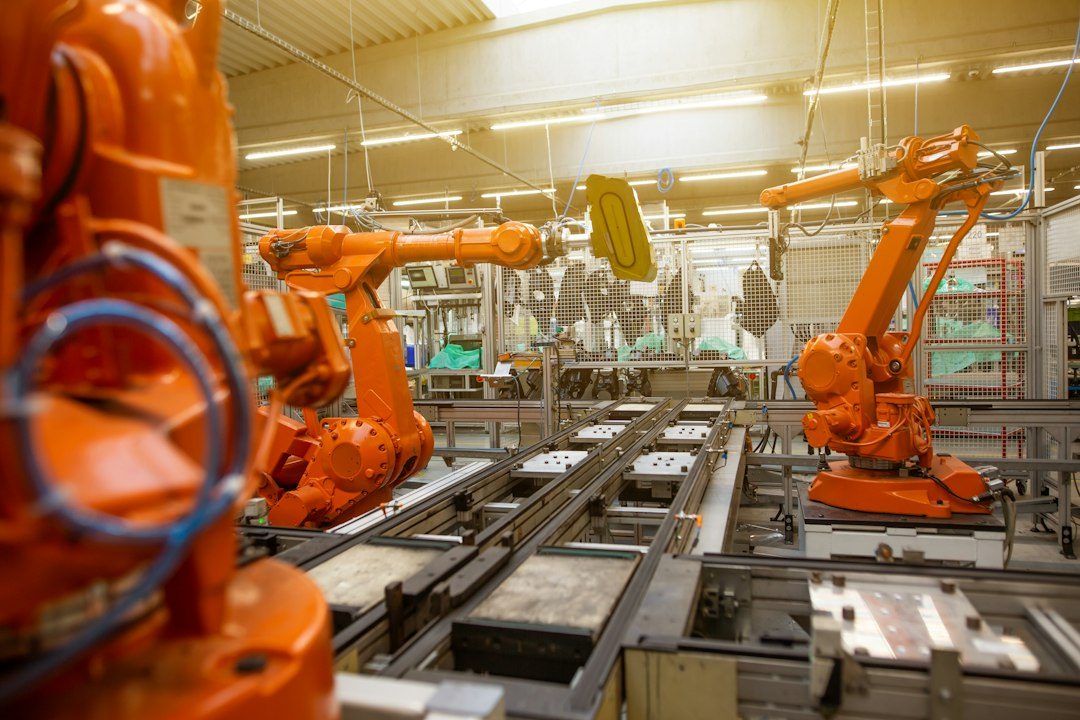
American factories produced 0.3% more in October than in September, the Federal Reserve reported, beating forecasts of 0.2%. Two engines did the work: motor vehicle and parts output jumped 4.4%, and the chip-and-computer complex tied to AI infrastructure kept climbing.

The headline industrial production number fell 0.4%, but that came from utilities, down 4.3% as mild weather cut heating demand, and mining, down 0.8%. The split matters. The Fed's broadest gauge looks weak, while its factory core, and especially the AI-linked segments, is where capital spending is landing.

Why it matters

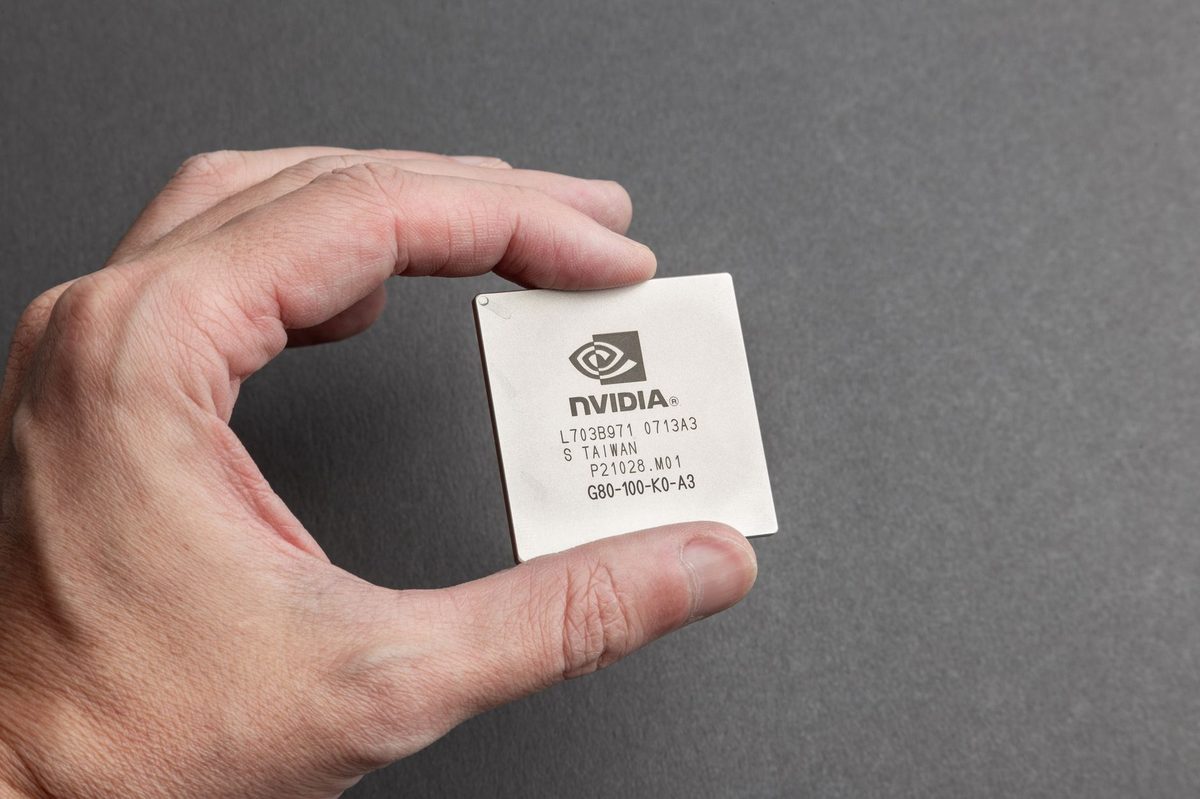
Semiconductors and computers are now among the fastest-growing parts of US manufacturing, so AI capital spending is propping up factory output as other sectors cool.

Questions about this story

Free account needed to ask — your question is kept and asked for you right after sign-up. Answers are public.

No questions yet — be the first to ask.

Key Indicators

0.3%
Manufacturing output, month-over-month
October factory output matched September's gain and beat the 0.2% forecast.
2.2%
Manufacturing output, year-over-year
The strongest annual pace since March 2022, per Bloomberg.
15.3%
Semiconductor and electronic component output, year-over-year
Chip production rose 2.2% for the month and 15.3% over the year.
4.4%
Motor vehicles and parts output, month-over-month
A rebound after a 2.7% decline in September.
-0.4%
Total industrial production, month-over-month
The broad gauge fell as utilities and mining declined.
76.4%
Total industry capacity utilization
Down from 76.8% in September and 3.0 points below the 1972-2025 average.

Voices

Curated perspectives — historical figures and your fellow readers.

Sign up to generate historical perspectives on this story.

People Involved

Organizations Involved

Timeline

October 2026 November 2026

2 events Latest: Today
  1. October data: factories up, total industry down

    Today Economic data

    The Fed reports manufacturing output up 0.3% while total industrial production falls 0.4%, dragged by utilities and mining.

  2. September factory output holds at 0.3% as autos slip

    Economic data

    Manufacturing output rose 0.3% in September, but motor vehicles and parts fell 2.7%, setting up October's rebound.

Scenarios

1

November factory output rises again on AI demand

Likely Resolves by Dec 17, 2026

Discussed by: Federal Reserve data watchers and the Reuters and Bloomberg coverage of the October release

Chip and computer output keeps climbing as data-center spending continues, and autos hold their October level. If manufacturing posts another monthly gain in the next report, the AI-led factory expansion is confirmed rather than a one-month blip.

2

Annual revision trims the AI manufacturing gains

Possible Resolves by Nov 24, 2026

Discussed by: Economists who track the Fed's annual benchmark revisions

The Fed's annual revision on November 24 incorporates new Census Bureau benchmarks and may change the monthly indicators behind the chip and computer indexes. A downward revision would mean the October strength was smaller than first reported.

3

Utilities rebound pulls total industrial production positive

Possible Resolves by Dec 17, 2026

Discussed by: Macro analysts watching the weather-driven utility swing

October's total industrial decline came largely from utilities falling 4.3% on mild weather. A return to normal heating demand in November could lift the broad gauge back above zero even if manufacturing is flat.

Historical Context

3 moments from history that rhyme with this story — and how they unfolded.

1995-2000

Internet infrastructure buildout (1995-2000)

Spending on internet and telecom infrastructure drove rapid growth in US computer and electronic component manufacturing through the late 1990s, as networking and chip makers expanded output.

Then

Output and stock valuations peaked in 2000.

Now

The 2001 telecom glut left excess fiber capacity and a manufacturing downturn that took years to work off.

Why this matters now

Today's AI data-center spending is a comparable capital-spending cycle, and the Fed's industrial data is where its effect on factories first shows up.

2021-2022

Global semiconductor shortage (2021-2022)

A worldwide shortage of semiconductors idled auto assembly lines, because modern vehicles rely on chips for engines, safety systems, and dashboards. US motor vehicle output fell sharply.

Then

Automakers cut production and dealers sold vehicles above sticker price.

Now

Firms diversified chip sourcing and governments subsidized new domestic fabs.

Why this matters now

The same chips now power AI servers, and October's data shows both autos and AI-linked components expanding at once.

August 2022

CHIPS and Science Act (2022)

Congress passed the CHIPS and Science Act, committing about $52 billion to domestic semiconductor manufacturing and research.

Then

Chipmakers announced fab projects in states including Arizona, Ohio, and Texas.

Now

Domestic chip capacity is being built, though most plants will not produce at scale until later this decade.

Why this matters now

The policy aims to onshore the chip output now growing 15.3% year-over-year in the Fed's data.

Sources

(5)