


Pull to refresh
Logo
Singapore's economy grows 5.4% as AI-driven chip boom extends

Singapore's economy grows 5.4% as AI-driven chip boom extends

Money Moves

Growth eases from 6.2% in the previous quarter; central bank holds policy steady, expecting AI demand to cool in 2027

Today: Q3 advance estimates show 5.4% growth; MAS holds steady

Overview

Updated 1 hour ago

Singapore's economy expanded 5.4% in the third quarter of 2026, beating forecasts and extending a boom driven by demand for the semiconductors that power artificial-intelligence systems. Growth eased from 6.2% in the previous quarter but remains the strongest of any major advanced economy except Taiwan.

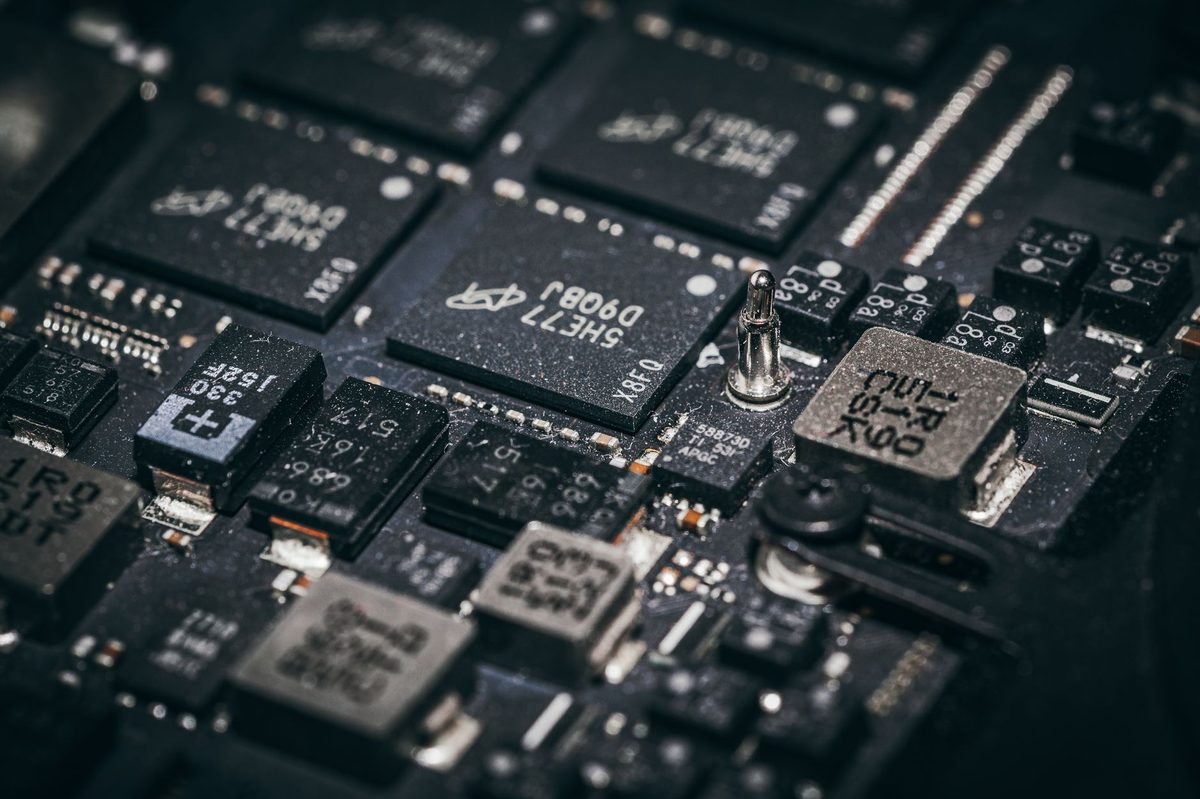
Technology-related industries produced roughly three-quarters of the growth: manufacturing rose 7.5% and construction 8.8%, aided by data-center investment. Singapore now makes about 10% of the world's chips and 20% of the equipment used to produce them. The Monetary Authority of Singapore left policy unchanged on October 14 after tightening twice this year, expecting AI demand to cool in the second half of 2027.

Why it matters

Singapore's chip-led boom shows how one technology cycle can reshape a small economy, and how sharply that growth could reverse when the AI investment wave turns.

Questions about this story

Free account needed to ask — your question is kept and asked for you right after sign-up. Answers are public.

No questions yet — be the first to ask.

Key Indicators

5.4%
Q3 2026 GDP growth, year-on-year
Third-quarter expansion beat the 5% consensus among economists polled by Reuters.
6.2%
Q2 2026 GDP growth, a four-year high
The previous quarter's pace, the fastest in four years according to CNBC.
7.5%
Q3 manufacturing output growth
Led by electronics, precision engineering and transport engineering, slowing from 12.9% in Q2.
75%
Share of Q3 growth from tech-related sectors
Technology industries drove three-quarters of overall year-on-year growth, per the MAS Macroeconomic Review.
10%
Singapore's share of global semiconductor output
The city-state also produces 20% of global semiconductor equipment, per government figures.

Voices

Curated perspectives — historical figures and your fellow readers.

Ever wondered what historical figures would say about today's headlines?

Sign up to generate historical perspectives on this story.

People Involved

Organizations Involved

Timeline

2024 October 2026

5 events Latest: Today
Tap a bar to jump to that date
  1. Q3 advance estimates show 5.4% growth; MAS holds steady

    Today Economic data / Monetary policy

    METI reported third-quarter GDP growth of 5.4%. MAS left the policy band unchanged, citing cooling AI demand ahead.

  2. MAS tightens again; Q2 growth hits a four-year high

    Monetary policy / Economic data

    Second tightening of 2026. Q2 GDP data showed 6.2% year-on-year growth, the fastest in four years.

  3. MAS tightens monetary policy pre-emptively

    Monetary policy

    The central bank increased the rate of appreciation of the S$NEER band, anticipating rising inflation.

  4. Full-year growth hits 5%, a first since 2010-2011

    Economic data

    Second straight year above 5% — the first such streak in 15 years, per government figures.

  5. Singapore's GDP grows above 5%, opening a new streak

    Economic data

    The city-state's economy grew more than 5%, the first year of what would become a three-year run.

Scenarios

1

Singapore posts another year of growth above 4% in 2027

Possible Resolves by Jan 31, 2028

Discussed by: HSBC's Yun Liu, who raised the 2026 forecast to 5.8%; the IMF, which projects 5% for 2026

If AI investment stays strong through 2027 — as Micron, GlobalFoundries and UMC bring new capacity online in 2027-2028 — manufacturing output can keep climbing. HSBC and the IMF both see headroom above official forecasts. The MAS Macroeconomic Review notes capacity expansions could produce another wave of strong semiconductor growth.

2

Growth slows to 2.5-4% as the AI cycle cools in 2027

Likely Resolves by Jan 31, 2028

Discussed by: MAS, which projects AI-related activity to moderate in the second half of 2027; METI

This is the central bank's base case. The AI investment cycle eases from its exceptional pace in late 2027, pulling trade-related sectors back to trend. The economy's positive output gap narrows as technology sectors expand at a more measured rate, though they remain the principal driver of growth.

3

Energy shock or rate hikes push growth below 2.5%

Possible Resolves by Jan 31, 2028

Discussed by: MAS, which cites downside risks from higher energy costs and elevated inflation in advanced economies

A sharper energy-price spike — tied to the US-Israel conflict with Iran — or a bigger-than-expected interest-rate squeeze on advanced economies could cut final demand and drag down Singapore's exports. MAS has already tightened twice in 2026, leaving less room to respond if a shock hits. Global growth is projected to moderate over 2027 even without a shock.

Historical Context

2 moments from history that rhyme with this story — and how they unfolded.

2010-2011

Singapore's 2010-2011 growth streak

Singapore posted back-to-back years of growth above 5% in 2010 and 2011, rebounding hard from the global financial crisis. Exports of electronics and precision engineering drove the surge as world demand recovered.

Then

The streak ended as global electronics demand cooled, and Singapore settled back into slower, mid-single-digit growth in the years that followed.

Now

It set the benchmark the current run must beat: 2024 and 2025 marked the first back-to-back years above 5% since 2010-2011.

Why this matters now

The present boom is the first to match that performance, and it is driven by the same kind of concentrated electronics demand — this time powered specifically by AI chips.

mid-1990s to 2007

Ireland's Celtic Tiger (mid-1990s to 2007)

Ireland drew heavy foreign investment in technology and pharmaceuticals after cutting corporate taxes, turning a small, poor economy into one of Europe's fastest growers. GDP expanded at high single-digit rates for more than a decade.

Then

Living standards caught up with the rest of Western Europe and Dublin became a hub for American tech firms.

Now

The model left Ireland exposed to global downturns; the 2008 financial crisis and a property bust pushed it into a deep recession. It showed how concentrated, investment-fueled growth can be both a rocket and a risk.

Why this matters now

Like Ireland, Singapore is a small open economy riding one global technology wave. The Irish example frames the central question in this story: how much of the boom is durable, and how much reverses when the cycle turns.

Sources

(8)