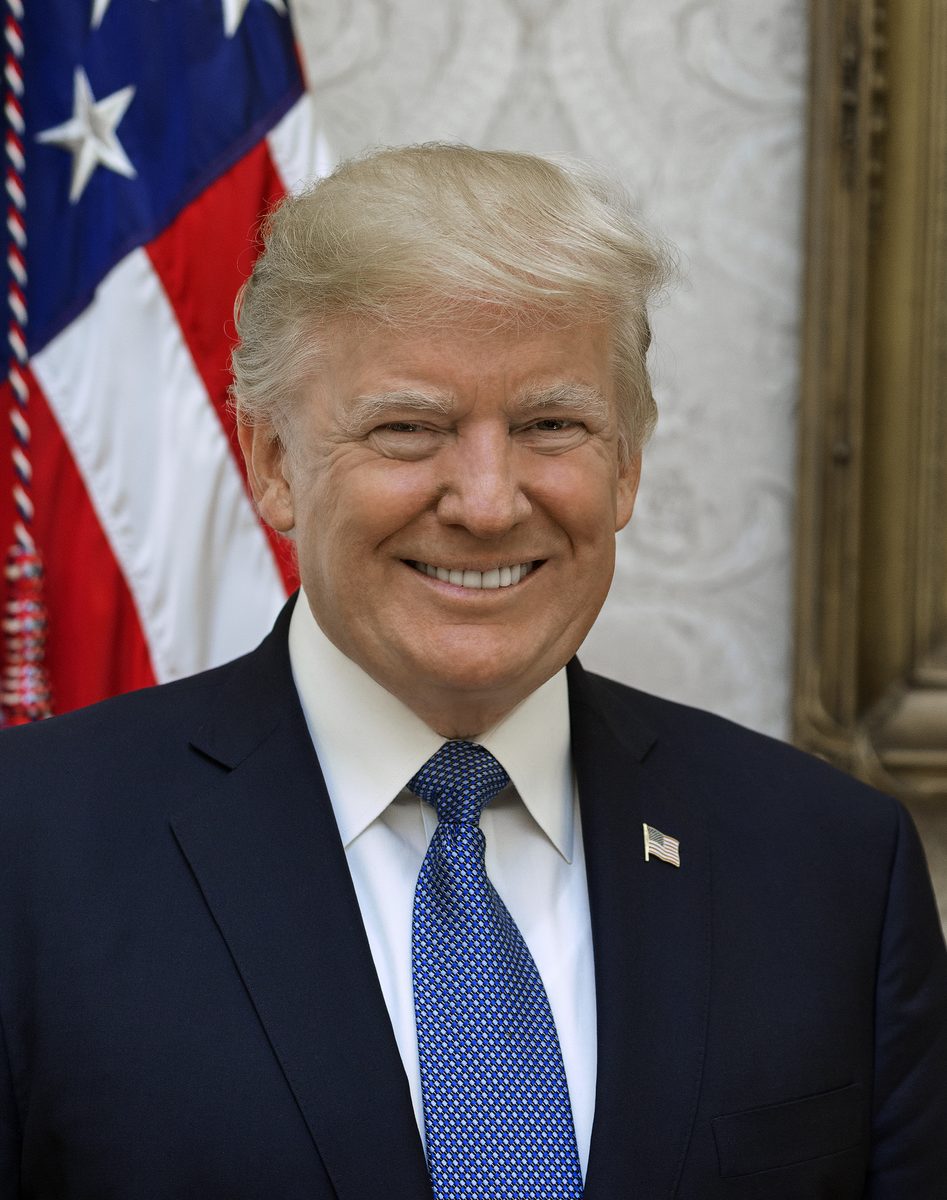
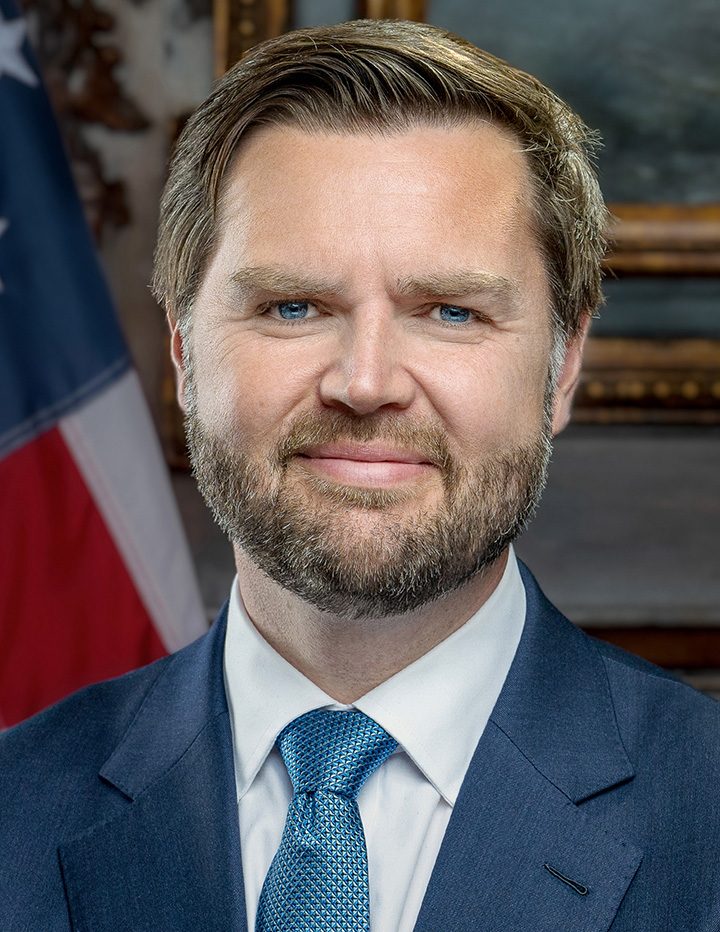
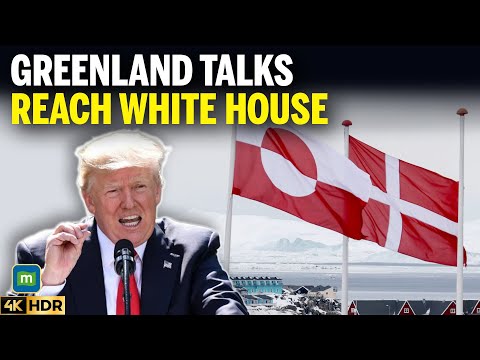
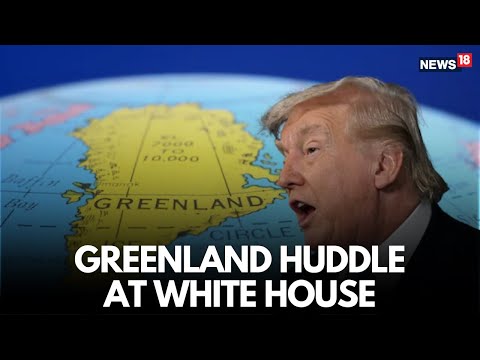
The United States has not acquired sovereign territory since 1917, when it purchased the Virgin Islands from Denmark for $25 million. On January 17, President Trump announced 10% tariffs on eight European nations starting February 1, escalating to 25% by June 1 unless a deal is reached for Greenland.
Leaders of Denmark, Finland, France, Germany, the Netherlands, Norway, Sweden, and the United Kingdom issued a joint statement warning the tariffs risk a 'dangerous downward spiral.' About 10,000 Danes and 5,000 Greenlanders (nearly 10% of Greenland's population) protested in the streets.
On January 19, Trump wrote to Norwegian Prime Minister Jonas Gahr Støre that he no longer felt an 'obligation to think purely of Peace.' He cited the Norwegian Nobel Committee's decision not to award him the Peace Prize and linked the snub to his Greenland demands.
Denmark is a founding NATO member. Prime Minister Mette Frederiksen declared 'Europe will not be blackmailed,' and the European Council scheduled an extraordinary meeting to coordinate a response. French President Emmanuel Macron requested activation of the EU's Anti-Coercion Instrument (the bloc's 'trade bazooka,' never previously used), with officials warning of potential €107.71 billion in counter-tariffs.
A bipartisan delegation of 11 lawmakers traveled to Copenhagen on January 16-17 and explicitly opposed Trump's demands. Republican Senator Thom Tillis called coercive action to seize allied territory 'beyond stupid.' Senators Tim Kaine (D-VA) and Rand Paul (R-KY) are exploring war powers resolutions and challenges to Trump's tariff authority.
Russia called the situation 'extraordinary from the standpoint of international law.' The U.S. and Denmark agreed to form a working group. Danish Foreign Minister Lars Løkke Rasmussen confirmed Trump maintains 'this wish of conquering Greenland.'
Questions about this story
Free account needed to ask — your question is kept and asked for you right after sign-up. Answers are public.
No questions yet — be the first to ask.
Key Indicators
$700B
Estimated acquisition cost
U.S. officials' high-end estimate for purchasing Greenland, more than half the annual Defense Department budget
85%
Greenlanders opposing U.S. rule
Share of Greenlandic population that does not want to become American, per 2025 polling
57,000
Greenland population
Residents of the world's largest island, which has more autonomy than any other Danish territory
8 Nations
Facing U.S. tariffs
Denmark, Norway, Sweden, France, Germany, UK, Netherlands, and Finland face 10-25% tariffs until Greenland deal reached
€107.7B
Potential EU counter-tariffs
Value of retaliatory tariffs European officials are considering against the United States
29 events
Latest: January 19th, 2026 · 9 months ago
Showing 8 of 29
JK to step
Tap a bar to jump to that date
Jump to
January 2026
Trump Links Greenland Push to Nobel Peace Prize Snub in Letter to Norway
LatestDiplomacy
Trump sends letter to Norwegian PM Jonas Gahr Støre stating 'Considering your Country decided not to give me the Nobel Peace Prize for having stopped 8 Wars PLUS, I no longer feel an obligation to think purely of Peace.' Letter sent in response to Norwegian and Finnish leaders' request for de-escalation. Norwegian government notes it does not control Nobel Committee decisions.
Norwegian and Finnish Leaders Request De-escalation Call
Diplomacy
Norwegian PM Jonas Gahr Støre and Finnish President Alexander Stubb send message to Trump conveying opposition to tariffs, pointing to need to de-escalate, and proposing three-way telephone conversation. Trump's Nobel Prize letter sent in response.
Eight European Leaders Issue Joint Statement Against U.S. Tariffs
Diplomacy
Leaders of Denmark, Finland, France, Germany, Netherlands, Norway, Sweden, and UK issue joint statement condemning tariff threats, warning they 'undermine transatlantic relations and risk a dangerous downward spiral.' Statement declares 'full solidarity' with Denmark and Greenland.
EU Ambassadors Hold Emergency Meeting, Extraordinary Council Convened
Diplomacy
European Union's 27 ambassadors hold emergency meeting in Brussels to discuss Trump's tariff threats. European Council President Antonio Costa announces he will convene extraordinary meeting of the European Council within days to coordinate response.
U.S. Senators Explore Legislative Options to Block Trump
Congressional Action
Senators Tim Kaine (D-VA) and Rand Paul (R-KY) explore three legislative options: writing new war powers resolution regarding Greenland, challenging Trump's tariff authority, and relying on law requiring congressional approval for NATO withdrawal.
Macron Requests Activation of EU Anti-Coercion Instrument
Economic Response
French President Emmanuel Macron requests EU activate Anti-Coercion Instrument (ACI)—the bloc's 'trade bazooka' adopted in 2023 but never used. Tool allows EU to take retaliatory action including restricting American access to tenders and investment proposals in response to economic coercion.
Republican Senator Tillis Calls Trump's Greenland Coercion 'Beyond Stupid'
Congressional Action
Sen. Thom Tillis (R-NC), member of congressional delegation to Denmark, publicly blasts Trump's tariff announcement: 'The fact that a small handful of 'advisors' are actively pushing for coercive action to seize the territory of an ally is beyond stupid.'
Mass Protests in Denmark and Greenland Against U.S. Acquisition
Public Response
An estimated 10,000 protesters gather in Copenhagen city hall square, while 5,000 demonstrate in Nuuk—nearly 10% of Greenland's population—against Trump's acquisition threats and tariff announcements.
European Officials Warn of €107.7 Billion in Counter-Tariffs
Economic Response
European capitals signal potential retaliation with €107.71 billion worth of counter-tariffs or restrictions on American companies from the bloc's market in response to Trump's threats.
Congressional Delegation Completes Denmark Visit
Diplomacy
Bipartisan delegation of 11 lawmakers concludes reassurance tour in Denmark, meeting with PM Frederiksen and Greenlandic officials. Sen. Lisa Murkowski tells NBC News 'support in Congress to acquire Greenland in any way is not there.' Trump announces tariffs as delegation wraps up.
Congressional Delegation Arrives in Copenhagen
Diplomacy
Nine-member bipartisan delegation led by Senators Coons, Murkowski, and Tillis meets with Danish PM Frederiksen and Greenlandic PM Nielsen, explicitly opposing Trump's acquisition plans. Murkowski introduces legislation blocking use of Defense funds to annex NATO ally territory.
Trump Threatens Tariffs on Countries Opposing Acquisition
Economic Coercion
Trump announces he 'may put a tariff on countries if they don't go along with Greenland,' escalating from diplomatic and military threats to economic pressure. Does not specify rate but references 25% tariffs discussed moments earlier.
Russia Calls Situation 'Extraordinary' Under International Law
International Response
Kremlin spokesman Dmitry Peskov says Russia is monitoring Trump's Greenland push, calling it 'unusual, I would even say extraordinary from the standpoint of international law.' Confirms Russia considers Greenland part of Denmark.
European NATO Troops Deploy to Greenland
Military
France (15 soldiers), Germany (13 personnel), Norway (2 officers), and Sweden deploy troops to Greenland for 'Arctic Endurance' exercises and reconnaissance. First European deployment outside NATO framework in response to Trump threats. Finland and Netherlands also confirm participation.
White House Hosts Danish and Greenlandic Foreign Ministers
Diplomacy
VP Vance and Secretary Rubio meet with Foreign Ministers Rasmussen and Motzfeldt. Denmark increases military presence around Greenland. U.S. estimates acquisition at up to $700 billion.
U.S.-Denmark Working Group Established After Deadlocked Talks
Diplomacy
White House meeting ends with agreement to form high-level working group to explore 'common way forward' on security concerns. Danish FM Rasmussen confirms 'fundamental disagreement' remains, stating 'It's clear the president has this wish of conquering Greenland.' Meeting described as 'frank but constructive.'
Greenland PM Declares: 'We Choose Denmark'
Statement
Prime Minister Nielsen and PM Frederiksen hold joint press conference. Nielsen states Greenland chooses Denmark, NATO, and the EU over the United States.
Trump: 'We're Going to Do Something' on Greenland
Statement
Trump states the U.S. will act on Greenland 'whether they like it or not,' escalating rhetoric ahead of diplomatic talks.
Nordic Foreign Ministers Issue Joint Statement
Diplomacy
Denmark, Finland, Iceland, Norway, and Sweden declare commitment to Arctic security and sovereignty, implicitly rebuking U.S. threats.
Frederiksen Urges Trump to 'Stop the Threats'
Statement
Danish Prime Minister publicly calls on Trump to cease threatening a NATO ally, following U.S. military capture of Venezuelan leader Maduro.
Denmark commits DKK 27.4 billion to Arctic defense, including 16 F-35s, Arctic vessels, and surveillance systems for Greenland.
March 2025
Greenland Elects New Pro-Independence Government
Election
Demokraatit wins plurality in general election. Jens-Frederik Nielsen becomes youngest prime minister, campaigning on gradual independence.
January 2025
Donald Trump Jr. Visits Greenland
Visit
Trump's eldest son flies to Nuuk for a day trip, filming podcast content. Trump refuses to rule out military force to acquire Greenland.
December 2024
President-Elect Trump Revives Greenland Push
Statement
Trump declares U.S. control of Greenland an 'absolute necessity' shortly after winning the 2024 election, intensifying his 2019 proposal.
August 2019
Trump Cancels Denmark Visit
Diplomacy
Trump cancels planned state visit to Denmark after Prime Minister Frederiksen rejects Greenland sale, calling her response 'nasty.'
Trump Proposes Buying Greenland
Statement
Trump publicly proposes purchasing Greenland, comparing it to 'a large real estate deal.' Denmark calls the idea absurd.
June 2009
Greenland Self-Government Act Takes Effect
Governance
Greenland gains expanded autonomy over police, courts, and most domestic affairs. The act includes a path to full independence via referendum.
April 1951
Greenland Defense Agreement Signed
Treaty
Denmark and the U.S. sign the agreement allowing American military operations in Greenland under NATO framework, leading to construction of Thule Air Base.
1946
Truman Offers $100 Million for Greenland
Diplomacy
President Harry Truman offers Denmark $100 million in gold for Greenland following WWII. Denmark rejects the offer.
Scenarios
1
Diplomatic Stalemate: Trump Rhetoric Continues, No Acquisition
Likely
Discussed by: European analysts, Chatham House, Atlantic Council commentators
Trump maintains aggressive rhetoric but takes no concrete action beyond diplomatic pressure. Denmark and Greenland continue rejecting any sale, while expanding Arctic defense cooperation. The crisis persists as background noise without resolution, damaging U.S.-European relations but not breaking NATO. This mirrors Trump's 2019 approach, where he abandoned the effort after Denmark's rebuff.
2
Negotiated Cooperation: Expanded U.S. Arctic Access Without Sovereignty Transfer
Possible
Discussed by: Danish Foreign Ministry, some U.S. defense analysts, Council on Foreign Relations
Denmark offers enhanced U.S. military access, joint Arctic operations, and mineral extraction rights in exchange for dropping sovereignty demands. Greenland receives direct economic benefits. Trump claims victory for 'protecting American interests' without formal acquisition. This outcome would require Trump to accept something short of his stated goal of full control.
3
Economic Coercion: U.S. Tariffs and Sanctions on Denmark
Possible
Discussed by: European security analysts, Foreign Affairs contributors, Al Jazeera
Trump imposes punitive tariffs or sanctions on Denmark to pressure concessions on Greenland. Europe retaliates with counter-measures. NATO cohesion fractures as the alliance divides over whether to support Denmark against the United States. European defense cooperation accelerates independently of American leadership.
4
NATO Collapse: U.S. Military Action Against Greenland
The U.S. attempts military seizure or occupation of Greenland. Denmark invokes Article 5, creating an impossible situation where NATO members must choose sides against each other. The alliance effectively dissolves. European nations accelerate independent defense capabilities. Russia and China gain strategic advantage from Western disunity. Analysts treat this as catastrophic but not impossible given Trump's explicit refusal to rule out force.
5
Greenland Accelerates Independence, Complicates All Scenarios
Possible
Discussed by: Arctic analysts, Greenlandic political observers, Council on Foreign Relations
Trump's pressure accelerates Greenland's independence movement. If Greenland becomes a sovereign nation, it would no longer be part of the Danish realm—but neither would it become American. An independent Greenland could negotiate its own security arrangements, potentially playing U.S., European, and even Chinese interests against each other. Recent polling shows 84% of Greenlanders want independence from Denmark.
6
Tariff War Fractures NATO and Transatlantic Trade
Possible
Discussed by: European Commission officials, Atlantic Council, trade policy analysts
Trump implements punitive tariffs against European nations opposing Greenland acquisition. Europe retaliates with counter-tariffs. Economic warfare compounds security crisis, accelerating European defense independence and potentially forcing NATO members to choose between alliance obligations and trade interests. Congressional opposition may limit executive tariff authority.
Historical Context
3 moments from history that rhyme with this story — and how they unfolded.
1 of 3
February-March 2014
Russia's Annexation of Crimea (2014)
Russian special forces occupied Ukraine's Crimean peninsula in February 2014. A disputed referendum followed in March, with Russian-organized authorities claiming 97% support for joining Russia. Moscow formally annexed the territory on March 18.
Then
The G8 suspended Russia, the West imposed sanctions, and the UN General Assembly voted 100-11 to reject the annexation. Most nations refused to recognize Russia's territorial claim.
Now
The annexation preceded Russia's full-scale invasion of Ukraine in 2022. Analysts argue weak Western response in 2014 emboldened Putin's later aggression, ultimately killing hundreds of thousands.
Why this matters now
Trump's explicit refusal to rule out military force against Greenland—a NATO ally—evokes comparisons to Russian annexation logic. European leaders warn that U.S. violation of Danish sovereignty would have 'unprecedented' consequences for the international order that the U.S. itself built.
2 of 3
March 1917
U.S. Purchase of the Virgin Islands (1917)
The United States purchased the Danish West Indies (St. Thomas, St. John, St. Croix) from Denmark for $25 million in gold—the equivalent of roughly $600 million today. The U.S. sought the islands to protect the Panama Canal during World War I.
Then
The islands became U.S. territory. Danish subjects received U.S. citizenship. The acquisition proceeded through treaty ratified by the Senate.
Now
This remains the last time the U.S. acquired sovereign territory through purchase. The residents had no vote in the transfer—a process now considered incompatible with self-determination principles.
Why this matters now
The Virgin Islands purchase is the direct precedent for U.S.-Danish territorial transactions—and the last time such a deal occurred. However, the 1917 transfer happened before modern international law established that peoples have the right to determine their own governance. Greenland's 57,000 residents have explicitly rejected American rule.
3 of 3
March-October 1867
Alaska Purchase (1867)
Secretary of State William Seward negotiated the purchase of Alaska from Russia for $7.2 million ($12 per square mile). Critics called it 'Seward's Folly.' The territory was more than twice the size of Texas.
Then
Alaska became a U.S. territory with minimal infrastructure and no clear economic value. Many Americans viewed the purchase as wasteful.
Now
Alaska became a state in 1959. Its oil reserves proved enormously valuable. The purchase is now viewed as a strategic masterstroke that extended U.S. presence to the Arctic.
Why this matters now
Trump and his advisors explicitly cite Alaska as precedent for Greenland acquisition. However, Russia sold Alaska willingly to deny it to Britain; Denmark is not a willing seller. The constitutional process required Senate treaty ratification—a path that would require 67 votes Trump does not have, given bipartisan congressional opposition.