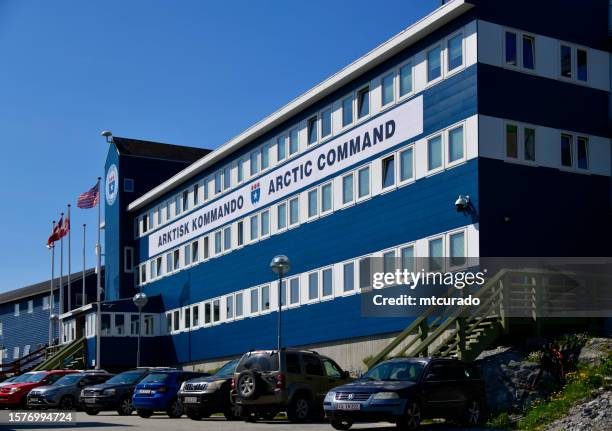
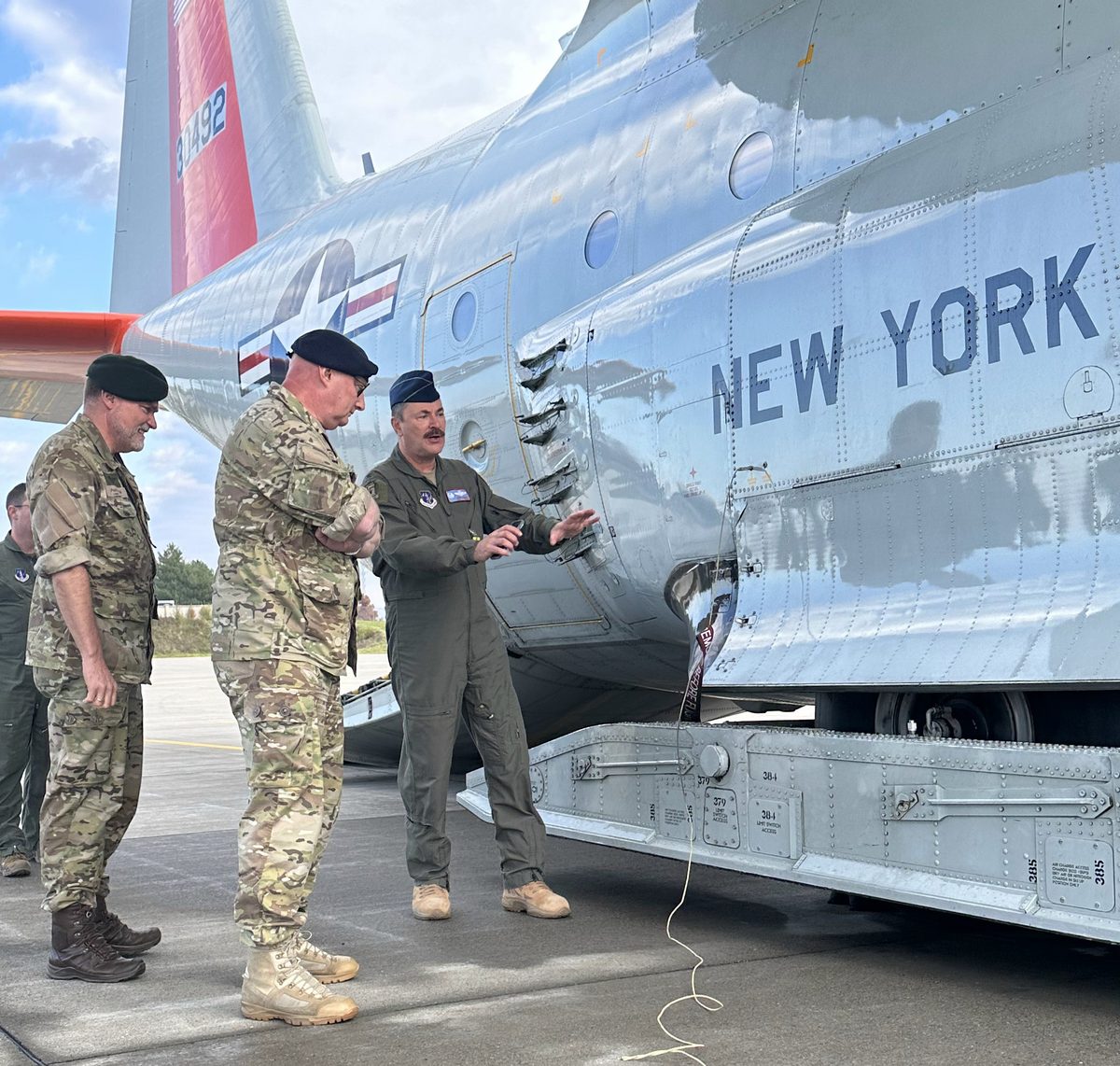
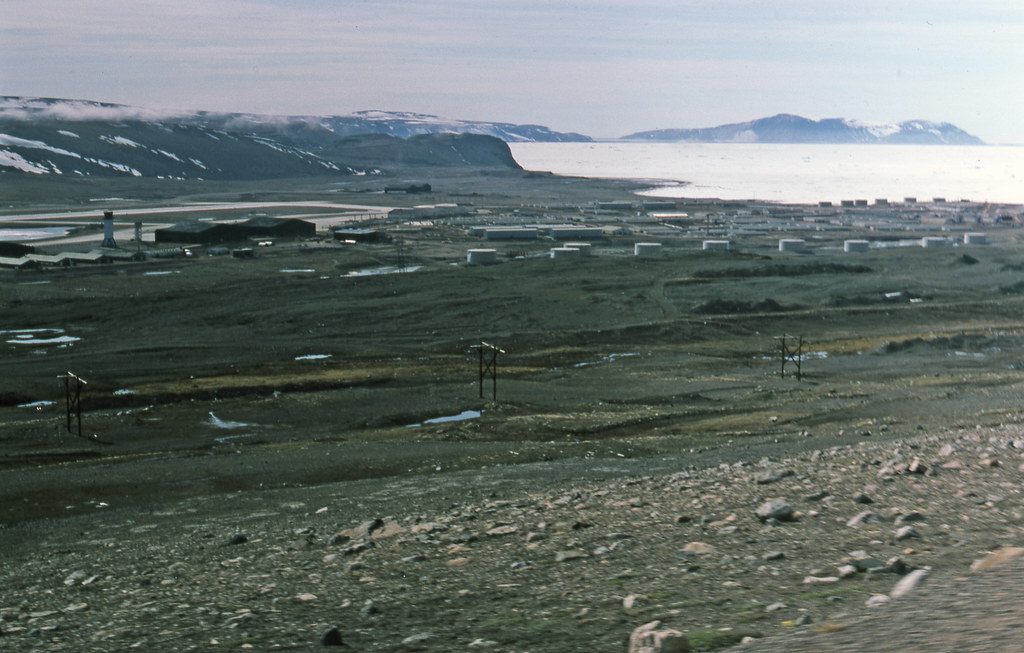
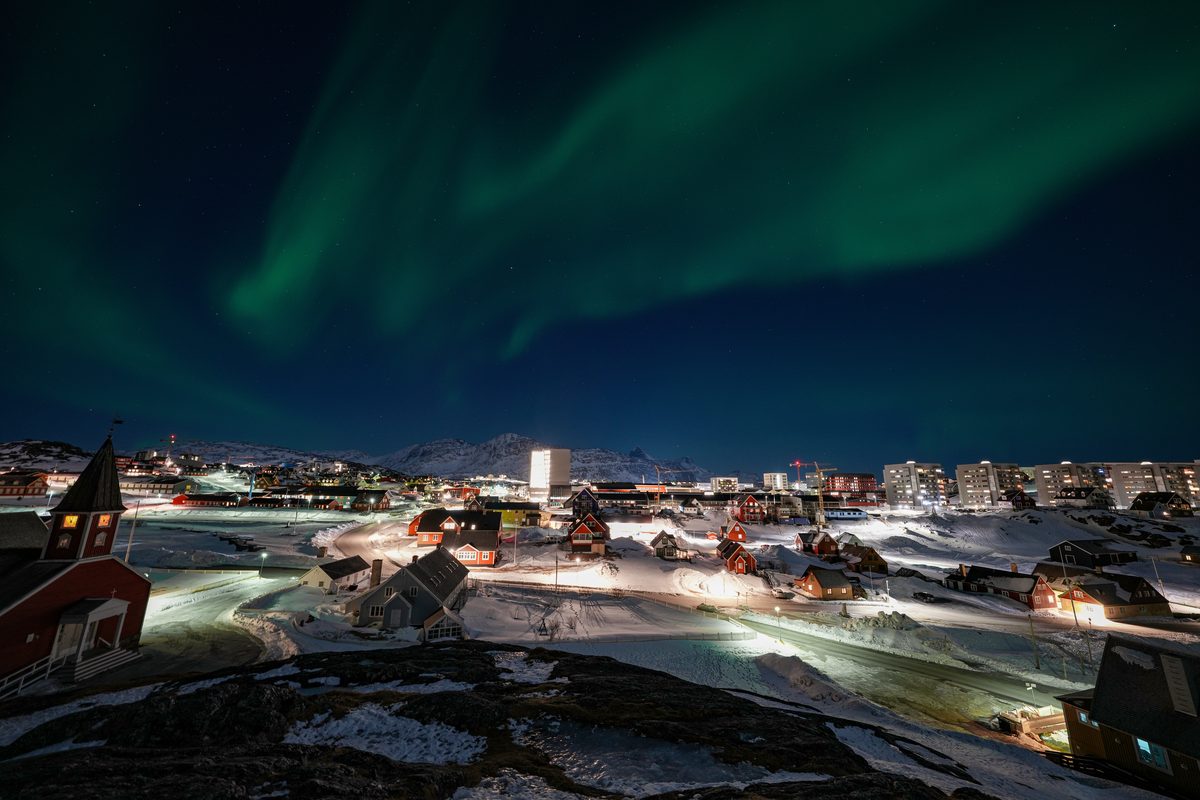
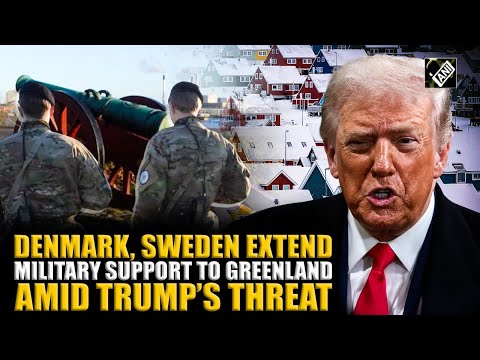
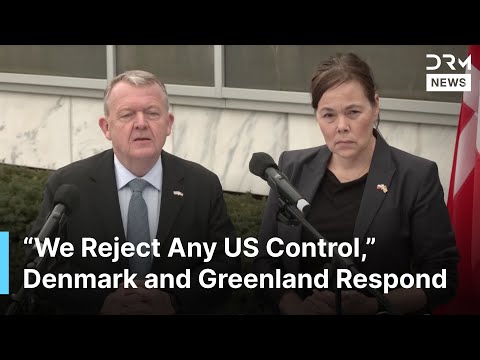
The United States has operated military bases in Greenland since 1941, under agreements with Denmark. On January 15, 2026, NATO allies deployed troops to the island to counter U.S. pressure after American-Danish talks collapsed. On January 17, President Trump announced 10% tariffs on eight European countries: Denmark, Finland, France, Germany, the Netherlands, Norway, Sweden, and the United Kingdom. The tariffs will rise to 25% by June unless 'a deal is reached for the Complete and Total purchase of Greenland.' On January 20, Trump declared on Truth Social that 'there can be no going back' on Greenland, calling it 'imperative for National and World Security.' That same day, Denmark deployed its Army Chief, General Peter Boysen, alongside 58 additional troops to Greenland, bringing total Danish military presence to approximately 178 personnel for Operation Arctic Endurance.
The crisis has transformed the January 2026 World Economic Forum in Davos into an emergency diplomatic summit. Denmark withdrew its government delegation from Davos, while French President Macron declared on January 20 that 'we prefer respect to bullies, and rule of law to brutality,' confronting Trump's acquisition demands. European Council President António Costa convened an extraordinary meeting of all 27 EU leaders for late January to coordinate a unified response. The EU is preparing €93 billion ($108 billion) in retaliatory tariffs and considering deployment of its 'Anti-Coercion Instrument' to restrict U.S. companies' access to European markets. On January 19, Trump revealed in messages to Norwegian Prime Minister Jonas Gahr Støre that his Greenland push stems from not receiving the 2025 Nobel Peace Prize. He stated he no longer feels 'obliged to think only of peace.'
Questions about this story
Free account needed to ask — your question is kept and asked for you right after sign-up. Answers are public.
No questions yet — be the first to ask.
Key Indicators
$700B
Estimated acquisition cost
Price tag calculated by U.S. officials and scholars for purchasing Greenland
84%
Greenlanders favoring independence
2025 poll showing support for eventual independence from Denmark
150
U.S. personnel at Pituffik
American service members permanently stationed at Greenland's space base, down from 6,000 during the Cold War
8
European countries facing tariffs
NATO allies Trump threatened with 10-25% tariffs unless Greenland is sold
€93B
EU retaliatory tariff package
Value of U.S. goods targeted by European Union counter-tariffs in preparation
~6,500
Nuuk protesters on January 18
Estimated quarter of capital's population—largest protest in Greenland history
36 events
Latest: January 21st, 2026 · 9 months ago
Showing 8 of 36
JK to step
Tap a bar to jump to that date
Jump to
January 2026
Trump Arrives at Davos for Emergency Diplomatic Summit
LatestDiplomatic
President Trump arrived in Davos, Switzerland, to address the World Economic Forum, which has been transformed into an emergency diplomatic summit focused on the Greenland crisis. European leaders used the forum to publicly confront U.S. acquisition demands.
Trump Declares 'No Going Back' on Greenland Acquisition
Statement
Trump posted on Truth Social that 'there can be no going back' on acquiring Greenland, calling it 'imperative for National and World Security.' He shared private messages from NATO Secretary General Mark Rutte and French President Emmanuel Macron, escalating diplomatic tensions.
Macron Condemns 'Bullies' at Davos in Direct Rebuke to Trump
Statement
French President Emmanuel Macron declared at the World Economic Forum that 'we do prefer respect to bullies, and rule of law to brutality,' directly confronting Trump's Greenland demands and tariff threats. France reaffirmed its 15-soldier deployment to Greenland in support of Denmark.
Von der Leyen Calls for 'New European Independence' at Davos
Statement
European Commission President Ursula von der Leyen stated that Trump's 'geopolitical shocks' require a 'new form of European independence,' declaring that the sovereignty and integrity of the Kingdom of Denmark including Greenland is 'non-negotiable.'
Denmark Deploys Army Chief and Additional Troops to Greenland
Military
General Peter Boysen, Chief of the Royal Danish Army, arrived in Greenland with 58 additional troops, joining approximately 120 personnel already deployed for Operation Arctic Endurance. Upon arrival, General Boysen stated he is 'ready to defend Greenland.'
Denmark Withdraws from Davos 2026 Amid Greenland Crisis
Diplomatic
Denmark withdrew its entire government delegation from the World Economic Forum in Davos, Switzerland, marking an unprecedented diplomatic rupture with the annual gathering of global leaders as the Greenland standoff intensifies.
Trump Links Greenland Push to Nobel Peace Prize Snub
Statement
In messages to Norwegian Prime Minister Jonas Gahr Støre shared with multiple world leaders, Trump stated his Greenland acquisition campaign stems from not receiving the 2025 Nobel Peace Prize, saying he no longer feels 'obliged to think only of peace.'
EU Prepares Anti-Coercion Instrument Against U.S.
Economic
France pushed for deployment of the EU's 'Anti-Coercion Instrument,' which would restrict U.S. companies' access to EU markets, exclude them from public tenders, and limit foreign direct investment beyond the €93 billion in retaliatory tariffs already under consideration.
Largest Protest in Greenland History Opposes U.S. Annexation
Political
An estimated quarter of Nuuk's population—approximately 6,500 people—marched against Trump's acquisition plans in what officials describe as the largest protest ever staged in Greenland.
EU Holds Emergency Meeting on Trump Tariff Threat
Diplomatic
All 27 EU ambassadors convened emergency session in Brussels to coordinate response to Trump's tariff ultimatum, with discussions focusing on €93 billion ($108 billion) in retaliatory measures.
Eight European Leaders Issue Joint Statement Against Tariff Coercion
Statement
Leaders from Denmark, Finland, France, Germany, the Netherlands, Norway, Sweden, and the UK warned Trump's tariff threats 'undermine transatlantic relations and risk a dangerous downward spiral,' declaring commitment to upholding sovereignty.
German Reconnaissance Team Departs Greenland as Scheduled
Military
Germany's 13-member reconnaissance mission completed assessment and departed Greenland, concluding the reconnaissance phase of Operation Arctic Endurance.
EU Council President Convenes Extraordinary European Council Meeting
Diplomatic
European Council President António Costa announced an extraordinary in-person meeting of all 27 EU leaders in Brussels for late January to coordinate unified response to Trump's Greenland threats, reaffirming 'strong commitment' to international law and solidarity with Denmark.
Trump Announces 10% Tariffs on Eight European Countries Over Greenland
Economic
President Trump declared 10% tariffs effective February 1 on Denmark, Finland, France, Germany, the Netherlands, Norway, Sweden, and the United Kingdom, escalating to 25% by June 1 unless a deal to purchase Greenland is reached.
Bipartisan delegation led by Senators Coons and Tillis concluded two-day visit, with Sen. Coons stating 'There are no pressing security threats to Greenland' and Sen. Murkowski declaring Greenland should be seen 'as an ally, not as an asset.'
Trump Threatens Tariffs on Countries Opposing Greenland Acquisition
Statement
President Trump stated he may impose tariffs on countries that don't support U.S. control of Greenland, adding economic pressure to military threats.
11 U.S. lawmakers led by Senators Chris Coons and Thom Tillis met Danish PM Frederiksen and Greenland PM Nielsen to reassure them of congressional support despite Trump's threats.
Netherlands and Estonia Announce Troop Contributions to Greenland
Military
The Netherlands sent two soldiers and Estonia pledged up to ten troops for Operation Arctic Endurance, expanding European military presence beyond initial French, German, Swedish, and Norwegian deployments.
European NATO Allies Deploy Troops to Greenland
Military
Germany sent 13 reconnaissance personnel, France deployed 15 mountain infantry soldiers, and Sweden and Norway sent officers for Operation Arctic Endurance.
White House Dismisses European Troop Deployments
Statement
White House Press Secretary Karoline Leavitt stated European military presence in Greenland does not impact Trump's acquisition plans.
Macron Announces Additional French Forces for Greenland
Military
French President Macron stated France would send additional 'land, air, and sea' forces to join Operation Arctic Endurance beyond the initial 15 mountain infantry soldiers.
White House Talks Collapse After 50 Minutes
Diplomatic
Danish and Greenlandic foreign ministers met Vance and Rubio. Denmark reported a 'fundamental disagreement' remained unresolved.
Denmark Announces Permanent Greenland Military Presence
Military
Defense Minister Poulsen announced expanded Danish military presence through a NATO rotation system, citing unpredictable security conditions.
Greenland PM: 'We Choose Denmark'
Statement
PM Nielsen declared that if forced to choose between the U.S. and Denmark, Greenland chooses Denmark and NATO.
Trump: 'Easy Way or Hard Way'
Statement
Trump stated the U.S. will take action on Greenland 'whether they like it or not,' threatening 'very high' tariffs on Denmark.
White House Confirms Military Option 'Always Available'
Statement
The White House acknowledged active discussions on acquiring Greenland and stated military force remains an option.
Seven European Leaders Defend Greenland Sovereignty
Diplomatic
Leaders of Denmark, France, Germany, Italy, Poland, Spain, and the UK issued a joint statement declaring Greenland 'belongs to its people.'
December 2025
Trump Appoints Louisiana Governor as Greenland Envoy
Diplomatic
Jeff Landry became the first U.S. special envoy to Greenland. Denmark summoned the U.S. ambassador to explain the appointment.
March 2025
VP Vance Visits Greenland; Protests Erupt
Diplomatic
Vice President Vance visited Nuuk, accusing Denmark of underinvesting in Arctic defense. About 1,000 Greenlanders protested.
Greenland Elects New Government Focused on Independence
Political
Jens-Frederik Nielsen's Democrats won Greenland's election, where independence was the central issue. Nielsen became the youngest PM in Greenlandic history.
January 2025
Trump Returns to Office, Revives Greenland Ambitions
Political
Upon returning to the presidency, Trump renewed push to acquire Greenland, now adding threats of tariffs and military action.
August 2019
Trump Floats Greenland Purchase; Denmark Rejects
Diplomatic
President Trump confirmed interest in purchasing Greenland, calling it 'essentially a large real estate deal.' Denmark called the idea 'absurd.'
June 2009
Greenland Self-Government Act Takes Effect
Legal
Denmark granted Greenland expanded autonomy, including a legal pathway to independence through referendum and parliamentary consent.
April 1951
U.S.-Denmark Defense Agreement Signed
Legal
The Greenland Defense Agreement formalized U.S. military access under the NATO framework, allowing construction of Thule Air Base.
1946
Truman Offers Denmark $100 Million for Greenland
Diplomatic
President Truman offered Denmark $100 million in gold for Greenland following WWII. Denmark declined.
April 1941
U.S. Occupies Greenland After Nazi Invasion of Denmark
Military
After Germany occupied Denmark, the U.S. took control of Greenland to prevent Nazi access, establishing the foundation for American military presence.
Scenarios
1
Working Group Produces Framework Agreement
Possible
Discussed by: Atlantic Council analysts, Danish foreign ministry officials
The U.S.-Denmark working group established January 14 produces a framework expanding American security cooperation without transferring sovereignty. This could include enhanced basing rights, joint resource development, and formalized consultation mechanisms. Denmark commits to sustained Arctic defense investment while the U.S. secures operational access without the political and legal complexities of acquisition.
2
U.S. Imposes Tariffs, Economic Standoff Escalates
Likely
Discussed by: ABN AMRO economic analysts, trade law experts at Pillsbury
Trump uses emergency powers to impose targeted tariffs on Danish exports, potentially including Novo Nordisk's Ozempic. Denmark retaliates through EU mechanisms. A 2024 study estimated 10% U.S. tariffs would reduce Danish GDP by 3%. Economic pressure mounts but neither side concedes, creating a prolonged standoff that strains NATO cohesion without resolution.
3
Greenland Accelerates Independence Timeline
Possible
Discussed by: Chatham House researchers, Greenlandic independence advocates
U.S. pressure paradoxically strengthens Greenland's independence movement. Polls show 84% of Greenlanders support eventual independence. The government advances constitutional preparations, arguing that independent Greenland could negotiate directly with Washington from a stronger position while maintaining EU association. Denmark acquiesces rather than face continued crisis.
4
Military Confrontation at NATO Base
Unlikely
Discussed by: Foreign Affairs analysts, Just Security legal experts
The U.S. attempts to expand operations at Pituffik Space Base beyond existing agreements, triggering a standoff with Danish and European forces. No shots fired, but the incident forces NATO's hand—either expelling the U.S. or fracturing entirely. Legal experts note Article 5 would technically obligate allies to assist Denmark against American aggression.
5
NATO Establishes Arctic Sentry Mission
Possible
Discussed by: German Defense Minister Boris Pistorius, British Foreign Secretary Yvette Cooper, Belgian Defense Minister Theo Francken
NATO members formalize a permanent 'Arctic Sentry' surveillance mission modeled on Baltic Sentry to monitor critical infrastructure and deter Russian and Chinese activity. The mission would cover Greenland, Iceland, Finland, and strategic shipping lanes. Germany has proposed the framework, with support from UK and Belgium. This could provide the U.S. enhanced operational access while preserving Danish sovereignty, potentially defusing the crisis through multilateral security arrangements rather than unilateral American control.
6
EU-U.S. Trade War Escalates Beyond Greenland
Likely
Discussed by: Financial Times analysts, European Commission officials, trade economists
EU implements €93 billion in retaliatory tariffs on February 1, matching Trump's timeline. The U.S. expands tariffs to other European goods; Europe responds by restricting American companies' access to EU markets. What began as a Greenland dispute cascades into the largest transatlantic trade war since WWII, damaging both economies while Greenland's status remains unchanged. NATO fractures deepen as economic conflict reinforces political divisions.
7
Davos Negotiations Produce Face-Saving Framework
Possible
Discussed by: World Economic Forum participants, diplomatic analysts at Chatham House
European leaders meeting with Trump at the World Economic Forum in Davos this week negotiate a framework that allows Trump to claim progress while preserving Danish sovereignty. The U.S. receives enhanced basing rights, participation in rare earth development, and expanded security cooperation. Trump suspends tariffs, declaring 'tremendous progress' toward securing American interests. Europe avoids trade war while maintaining that Greenland remains Danish.
8
EU Deploys Anti-Coercion Instrument, Broader Economic War Begins
Possible
Discussed by: European Commission officials, French government, trade economists at CNBC
Beyond the €93 billion in retaliatory tariffs, the EU activates its Anti-Coercion Instrument for the first time, restricting American companies' access to European markets, excluding U.S. firms from public procurement, and imposing investment restrictions. This 'trade bazooka' escalates the conflict beyond tariffs into a comprehensive economic decoupling between the U.S. and Europe, with lasting damage to the transatlantic economic relationship while Greenland's sovereignty status remains unchanged.
9
Supreme Court Blocks Trump's Tariff Authority
Possible
Discussed by: Legal analysts at CNBC, constitutional law experts
The U.S. Supreme Court rules in coming weeks that Trump cannot use the International Emergency Economic Powers Act to impose tariffs, as the law makes no mention of tariffs and does not grant such authority. The February 1 tariffs are blocked, removing Trump's primary economic leverage while leaving the underlying territorial dispute unresolved. European allies welcome the ruling but remain concerned about future executive actions.
Historical Context
3 moments from history that rhyme with this story — and how they unfolded.
1 of 3
October-November 1956
Suez Crisis (1956)
Britain, France, and Israel invaded Egypt after President Nasser nationalized the Suez Canal. The United States, despite being Britain and France's closest ally, opposed the operation and threatened to withdraw support for the British pound unless Prime Minister Eden ordered a ceasefire.
Then
Britain and France withdrew within weeks. The crisis humiliated both powers and ended Anthony Eden's career.
Now
Demonstrated that European powers could no longer pursue independent foreign policy without American consent. Marked the effective end of British and French colonial power projection.
Why this matters now
The Greenland dispute inverts the Suez dynamic: European allies now coordinating to constrain American territorial ambitions rather than the reverse. Both crises test whether alliance solidarity can survive when members pursue conflicting strategic objectives.
2 of 3
July-August 1974
Cyprus Crisis and Greek NATO Withdrawal (1974)
Turkey invaded Cyprus after a Greek-backed coup attempted to unite the island with Greece. Both were NATO members. NATO had no mechanism to adjudicate the dispute; U.S. diplomatic pressure, not Alliance action, imposed a ceasefire.
Then
Greece withdrew from NATO's integrated military structure in protest of Alliance inaction. The U.S. imposed an arms embargo on Turkey.
Now
Greece rejoined in 1980, but Cyprus remains divided. The crisis demonstrated NATO cannot resolve conflicts between members—only external pressure from the dominant ally can.
Why this matters now
The only modern precedent for near-conflict between NATO members. In 1974, the U.S. was the external force restraining allies. In 2026, the U.S. is the aggressor, and no equivalent restraining power exists within the Alliance.
3 of 3
1946
Truman's Greenland Purchase Attempt (1946)
Following WWII, during which the U.S. defended Greenland and established bases there, President Truman offered Denmark $100 million in gold for the island. Secretary of State James Byrnes presented the offer formally.
Then
Denmark rejected the offer, and the matter was dropped without further pressure.
Now
The 1951 Greenland Defense Agreement provided the U.S. military access under NATO's framework, achieving security objectives without sovereignty transfer.
Why this matters now
Demonstrates that American interest in Greenland predates Trump by 80 years. The difference: Truman accepted 'no' and pursued cooperation instead. Trump has explicitly rejected this approach.