
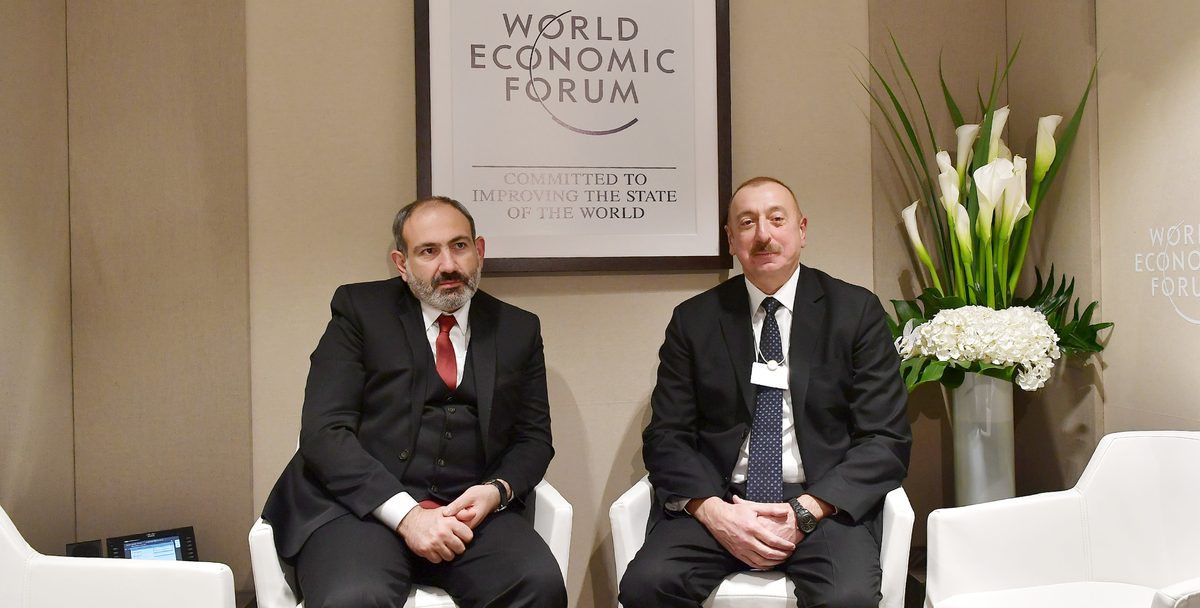
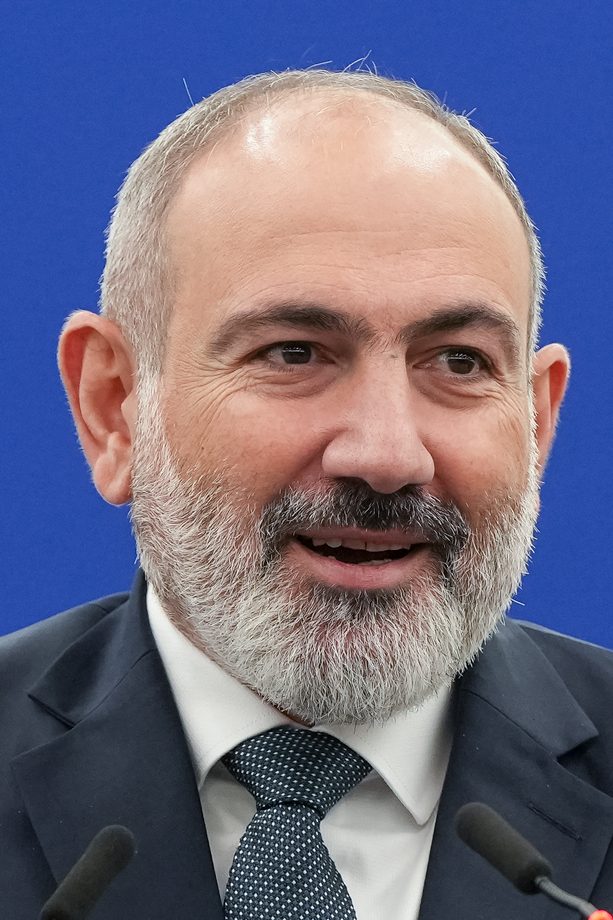
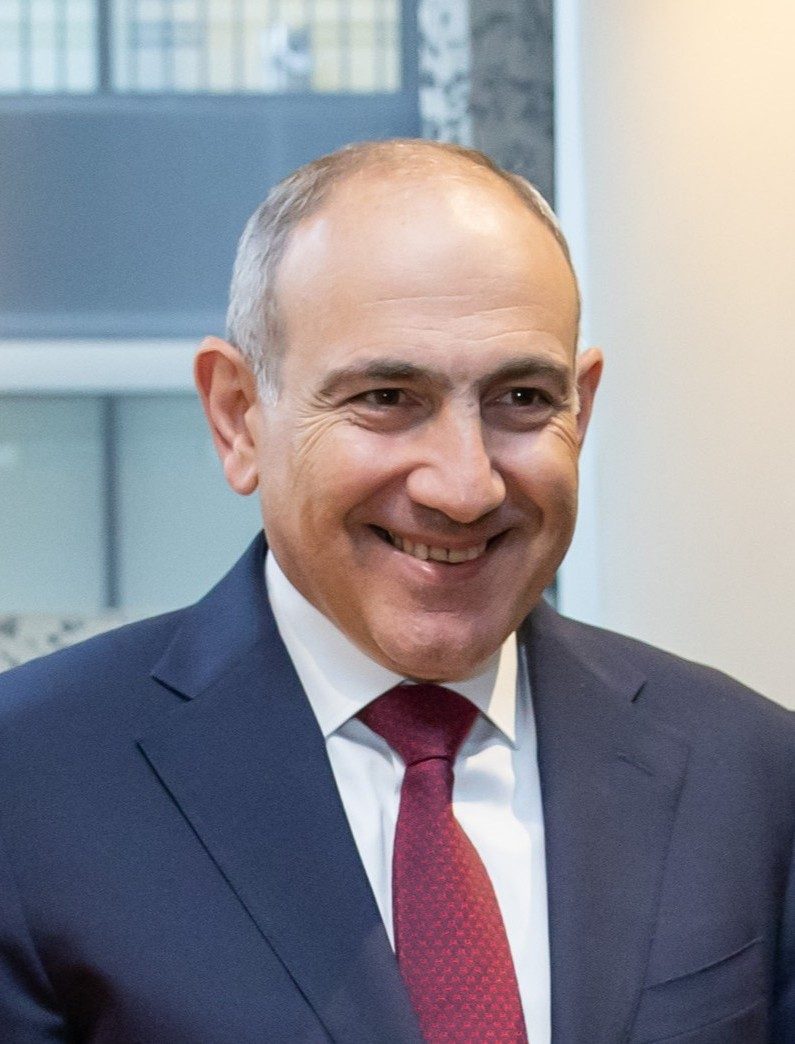

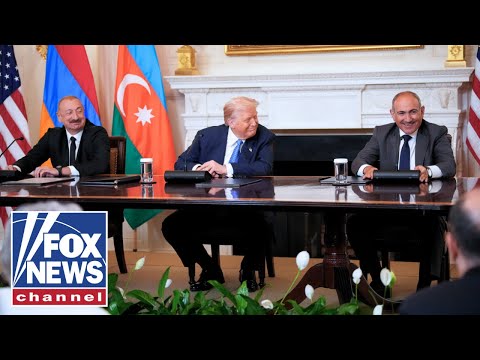

No sitting U.S. president or vice president had ever visited Armenia—until February 9, 2026. Vice President JD Vance's arrival in Yerevan marks more than a diplomatic first: it signals Washington's deepest-ever engagement in a region long dominated by Russia and Iran. Vance brought $9 billion in potential nuclear investment, advanced Nvidia chips, and surveillance drones—tangible proof that the Trump administration is backing its August 2025 peace framework with economic muscle.
The centerpiece is TRIPP—the Trump Route for International Peace and Prosperity—a 43-kilometer road-and-rail corridor through Armenian territory linking Azerbaijan to its isolated Nakhchivan exclave. The U.S. holds exclusive development rights for 99 years. If completed, the route would create a new east-west trade artery connecting Central Asia to Europe while bypassing both Russia and Iran. Tehran and Moscow have condemned the arrangement as American encroachment; Armenian diaspora groups call it capitulation. But with construction slated to begin in late 2026, the path from initialed agreement to signed treaty now has a concrete deadline.