

Pull to refresh
Logo
Harvard study ties a quarter of US data center power to Virginia

Harvard study ties a quarter of US data center power to Virginia

Built World

403 hyperscale facilities used about 82 terawatt-hours in a year; Virginia's 142 carried the largest emissions share

Overview

Updated 9 hours ago

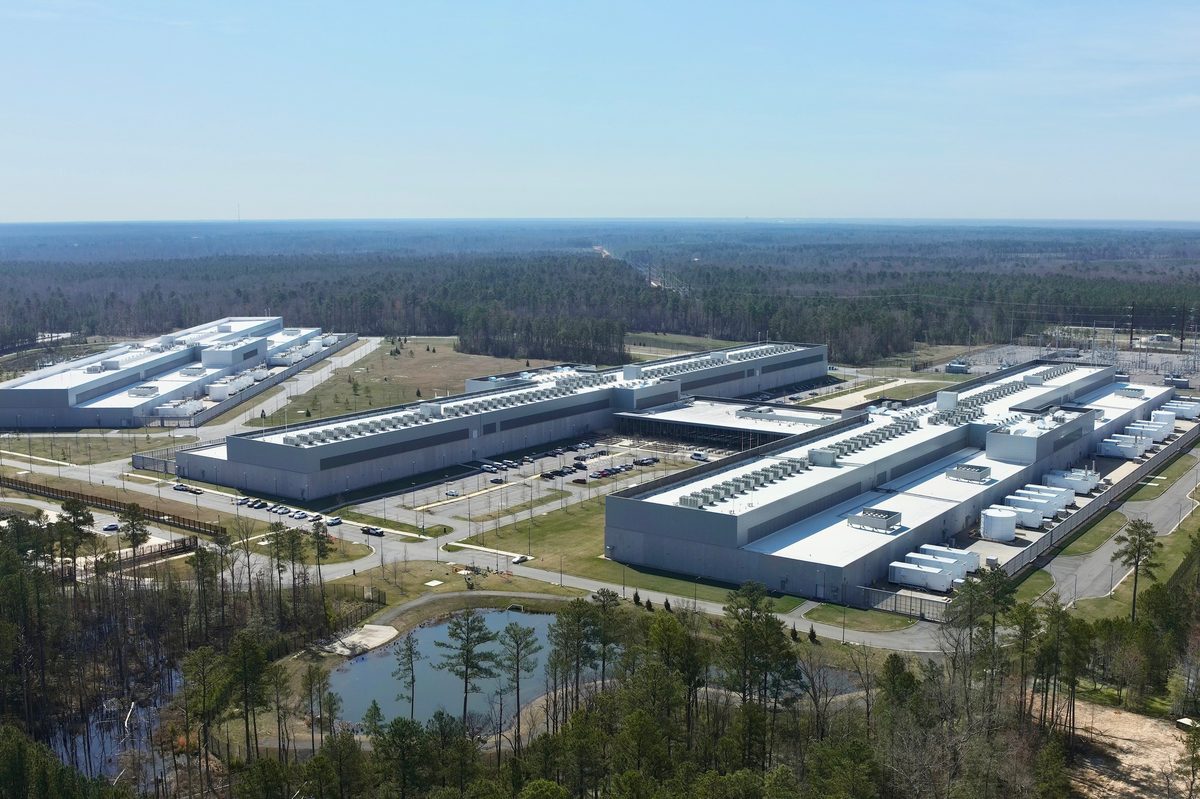
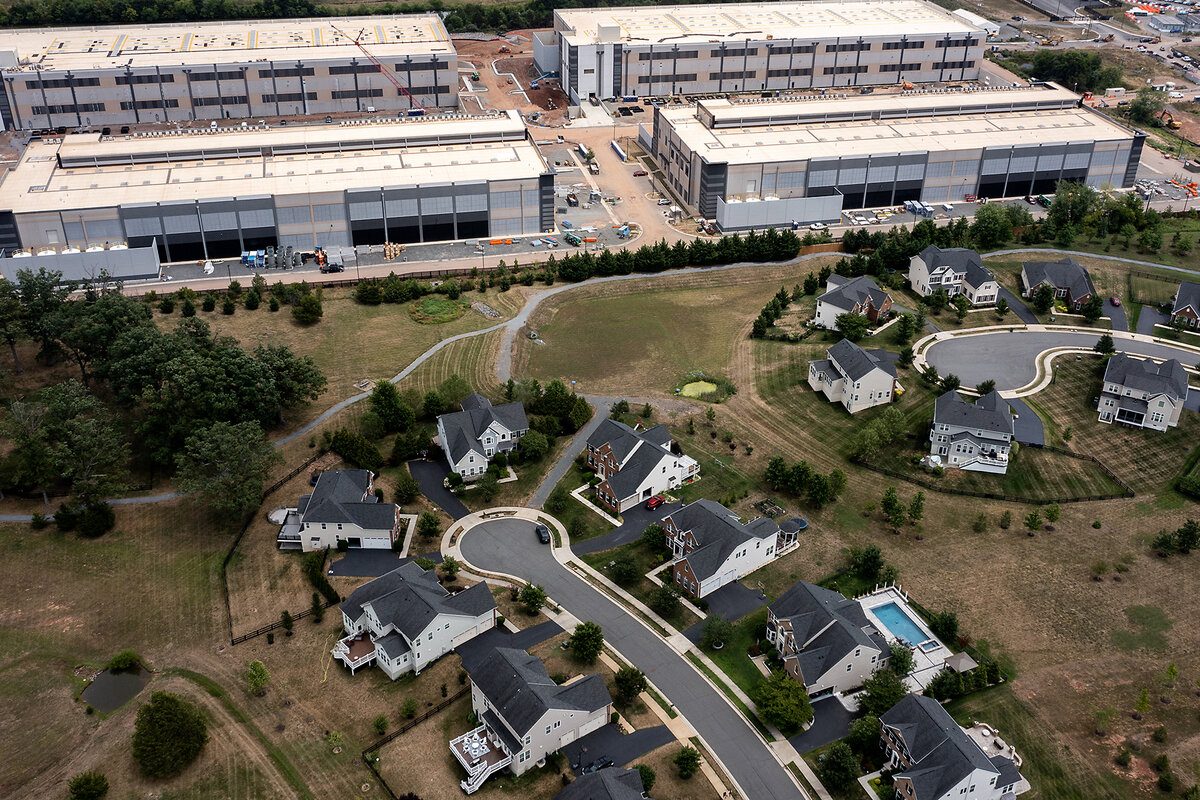
Virginia's 142 hyperscale data centers used 21.4 terawatt-hours of electricity between May 2024 and April 2025, enough to power roughly 2 million homes. They were tied to about 7 million metric tons of carbon dioxide, the most of any state.

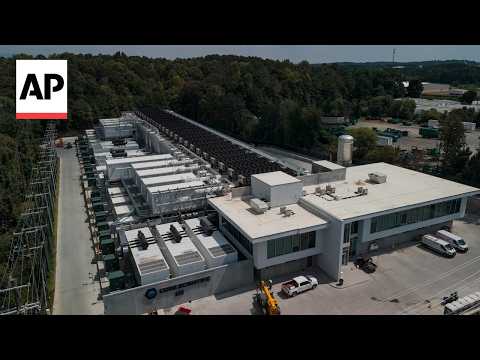
The numbers come from a Harvard study published Nov. 16 in Nature Sustainability that counted 403 of the largest US data centers. Nationally, those facilities used about 82 terawatt-hours, or 1.8% of all US electricity, and emitted about 25.7 million metric tons. Lead author Gianluca Guidi says the count is already stale, because construction continued after the study window closed in April 2025.

Why it matters

Someone has to pay for the power plants and transmission lines behind those 82 terawatt-hours, and Virginia's grid operator is deciding who.

Questions about this story

Free account needed to ask — your question is kept and asked for you right after sign-up. Answers are public.

No questions yet — be the first to ask.

Key Indicators

403
Hyperscale data centers counted
Facilities identified nationwide using satellite imagery and industry data.
82 TWh
US electricity use, central estimate
The study's four load scenarios ranged from 68 to 99 terawatt-hours.
1.8%
Share of US electricity
Roughly equal to the annual consumption of Michigan or Tennessee.
25.7M t
US data center CO2, central estimate
The four scenarios produced 21 to 31 million metric tons.
54%
Electricity from fossil fuels
38.2% natural gas and 15.2% coal; nuclear supplied 20.9%.
142
Virginia hyperscale facilities
More than any other state; Oregon was second with 56.
21.4 TWh
Virginia electricity use
Enough to power roughly 2 million homes.
7M t
Virginia data center CO2
About 7% of the state's total emissions and the most of any state.

Voices

Curated perspectives — historical figures and your fellow readers.

Sign up to generate historical perspectives on this story.

People Involved

Organizations Involved

Timeline

2021 November 2026

5 events Latest: Today
Tap a bar to jump to that date
  1. Moratorium proposal pending; Hampton Roads cities weigh bans

    Today Policy

    Some Virginia lawmakers want a three-year halt on new data center construction.

  2. Virginia breakdown published: 142 sites, 21.4 TWh, 7 million tons

    Research

    State figures show Virginia's data centers emit about 7% of Virginia's total carbon.

  3. Study publishes in Nature Sustainability

    Research

    Central estimate: 82 terawatt-hours, 1.8% of US power, 25.7 million tons of CO2.

  4. Twelve-month study window closes with 403 facilities counted

    Research

    The dataset covers May 2024 through April 2025, before the current buildout wave.

  5. Earlier estimate puts 2018 hyperscale emissions at 10.5 million tons

    Research

    A prior study set the baseline that the new figures are measured against.

Scenarios

1

FERC lets PJM charge data centers more for grid upgrades

Possible Resolves by Q3 2027

Discussed by: PJM Interconnection filings, Federal Energy Regulatory Commission proceedings, and outlets covering the grid cost fight

PJM has said new plants and lines built for data center load currently get paid for by every customer. Its revised proposal would assign large-load customers a bigger share. Approval would change who pays for the next round of construction; rejection would leave the current allocation in place.

2

Virginia enacts a moratorium on new data center approvals

Unlikely Resolves by Mar 15, 2027

Discussed by: Virginia legislators backing a three-year pause; local officials in Hampton Roads

A moratorium would freeze new permits or approvals for a set period, which the study's authors say would land while demand is still climbing. It would not affect the 142 facilities already running, so Virginia's electricity and emissions totals would keep rising even if it passed.

3

Data centers build their own gas power and skip the grid

Possible Resolves by End of 2027

Discussed by: The Verge and other outlets noting the study excludes on-site generation and the gas infrastructure built to serve data centers

If grid connections stay slow or cost more, operators can install gas turbines on campus. That keeps the load off PJM's books while adding emissions the study's method does not capture, which would make the 25.7-million-ton figure an undercount over time.

Historical Context

2 moments from history that rhyme with this story — and how they unfolded.

2021

The 2018 hyperscale baseline (2021)

A 2021 study estimated that US hyperscale data centers were responsible for greenhouse gas emissions equal to about 10.5 million metric tons of carbon dioxide in 2018. It stood as the reference point for the industry's footprint for five years.

Then

The figure was widely cited as the best available estimate of data center emissions.

Now

It became the yardstick: the 2026 study's central electricity number is about 3.6 times that earlier estimate.

Why this matters now

The comparison shows how much the footprint grew in roughly six years, before most AI training capacity came online.

2026

PJM's large-load cost fight (2026)

PJM proposed forcing data centers to supply their own power or risk being cut off during peak demand, a bid to stop residential bills from absorbing the cost of new generation. The Federal Energy Regulatory Commission largely rejected the proposal.

Then

PJM announced a new plan that could require data center companies to pay a larger share of grid costs.

Now

The question of who pays for capacity built to serve large loads remains unresolved.

Why this matters now

The study measures the load at the center of that fight: 82 terawatt-hours, concentrated in one grid operator's territory.

Sources

(10)