
Pull to refresh
Logo
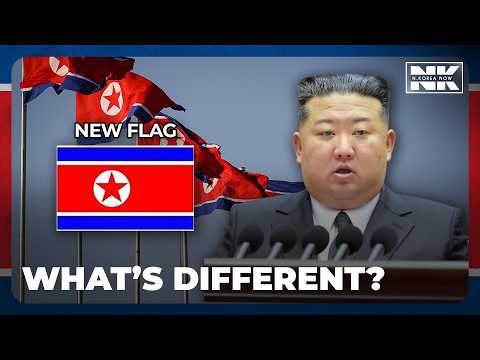
North Korea changes flag proportions for the first time since 1948

North Korea changes flag proportions for the first time since 1948

Rule Changes

A March 2026 constitutional amendment narrowed the flag to a ratio no other country uses and rewrote what its white stripes stand for

Overview

Updated 4 hours ago

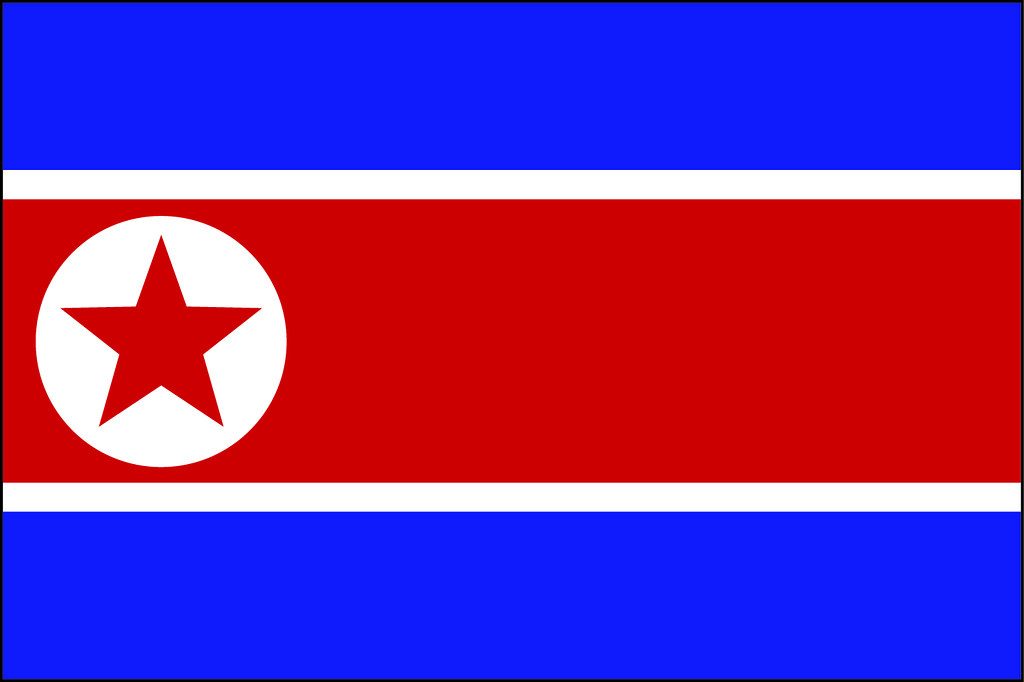
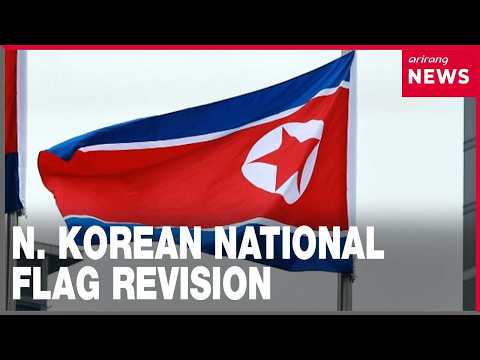
North Korea's flag has carried the same proportions since the state was founded in 1948: twice as wide as it is tall. A constitutional amendment ratified on 23 March 2026 cut that ratio to 1:1.65, a proportion no other national flag uses. The red field, white bands, blue stripes and red star all remain.

The state also rewrote what the white stripes mean. They once stood for the purity of a single Korean people; Naenara, the government's external propaganda site, now says they represent loyalty to the ruling party and the leader. That shift follows Kim Jong Un's 2023 declaration that reunification with South Korea 'can never be achieved.'

Why it matters

A flag is the cheapest place to declare a shared nation no longer exists. The doctrine behind this one closes reunification as a goal.

Questions about this story

Free account needed to ask — your question is kept and asked for you right after sign-up. Answers are public.

No questions yet — be the first to ask.

Key Indicators

1:1.65
New flag height-to-width ratio
Set by Article 166 of the constitution amended in March 2026.
1:2
Ratio in force from 1948 to 2026
Unchanged for 78 years before the amendment.
78 years
Years the old ratio stood
The proportions had not moved since the state's founding.
0
Other national flags at 1:1.65
Over 80 flags use 2:3; Pyongyang picked a proportion nothing else on Earth uses.

Voices

Curated perspectives — historical figures and your fellow readers.

Sign up to generate historical perspectives on this story.

People Involved

Organizations Involved

Timeline

1948 November 2026

7 events Latest: 3 days ago
Tap a bar to jump to that date
  1. Imagery comparison documents thicker white stripes

    Latest Report

    Comparisons of published flag images show wider white bands and a star placed nearer the centre than in earlier depictions.

  2. Revised constitution posted on Naenara

    Publication

    The state propaganda site publishes the amended text; Yonhap and NK News report the flag change the same day.

  3. English text of the 1:1.65 ratio circulates

    Record

    An English transcription of the amended article is publicly available, months before the change drew wider attention.

  4. Assembly amends constitution; flag ratio becomes 1:1.65

    Constitution

    The first session of the 15th Supreme People's Assembly replaces the 1:2 ratio with 1:1.65 in Article 166 and removes reunification provisions.

  5. National anthem rewritten

    Symbols

    North Korea rewrites its national anthem to drop reunification framing, following the new doctrine.

  6. Kim declares the 'two hostile states' doctrine

    Doctrine

    Kim Jong Un says reunification with South Korea can never be achieved, reframing the South as a separate hostile country.

  7. North Korea adopts a 1:2 flag

    Origin

    The new state sets a red field, white stripes, blue bands and a red star at twice as wide as tall. One delegate warns the long flag will fold on the pole.

Scenarios

1

New ratio becomes standard in official use

Likely Resolves by End of 2027

Discussed by: Yonhap and The Korea Herald, citing the constitutional text as a binding requirement

The amendment is a constitutional rule, not a design suggestion, so state portraits, stamps and ceremony flags should follow. The test is whether large public events and overseas missions display the narrower flag. North Korea's slow rollout of past symbol changes makes timing the open question.

2

Pyongyang extends the break to another state symbol

Possible Resolves by End of 2028

Discussed by: Lim Eul-chul of Kyungnam University, quoted in South Korean press

Analysts read the flag as one step in institutionalizing the two-hostile-states doctrine at the level of national symbols. The next candidate would be the state emblem or the constitution's preamble, either of which could still carry a reference to a single Korean people. A change there would signal the flag was part of a sequence, not a one-off.

3

Flag remains the only symbol touched by the doctrine

Unlikely Resolves by End of 2028

Discussed by: Creative Bloq, which raises the possibility of slow bureaucratic housekeeping

One reading is that this is a long-deferred technical fix, not a symbolic program. A 1948 delegate had already complained the long flag folded on the pole, and state bureaucracies move slowly. Under this reading the ratio change stands alone and nothing else follows.

Historical Context

3 moments from history that rhyme with this story — and how they unfolded.

1948

The Korean flags of 1948

When the peninsula split into two states, both adopted new flags within months. South Korea formalized the Taegukgi. North Korea adopted a red, white and blue design with a red star, and each state claimed to speak for all Koreans.

Then

The two flags became competing claims to the same nationhood.

Now

Both states kept official reunification aims for decades, and the symbols stayed frozen inside that logic.

Why this matters now

The 2026 amendment removes the premise the North Korean flag was designed under: that it stood for a single Korean people.

1959

East Germany adds its own emblem (1959)

The German Democratic Republic added a hammer and compass inside a ring of rye to its black, red and gold flag, the same tricolor West Germany flew. Bonn called it an attempt to divide the German nation.

Then

Two German states flew near-identical flags, one carrying an emblem, through three decades of division.

Now

The emblem disappeared with the state in 1990.

Why this matters now

A socialist state editing a shared national symbol to deny common nationhood has a direct precedent. That one ended in absorption, not recognition.

1990

German reunification retires the GDR flag (1990)

When East Germany acceded to West Germany in October 1990, the emblem flag was abolished. The plain black, red and gold tricolor became the flag of a single German state.

Then

Forty-one years of two German flags ended in one.

Now

The precedent cuts the other way: division symbols have usually ended in merger.

Why this matters now

North Korea is running the opposite experiment, using symbols to make a division permanent rather than temporary.

Sources

(9)