
Pull to refresh
Logo
New Yalu River Bridge opens after 12-year delay

New Yalu River Bridge opens after 12-year delay

Built World

Four-lane road bridge linking Dandong and Sinuiju becomes the main China-North Korea freight route

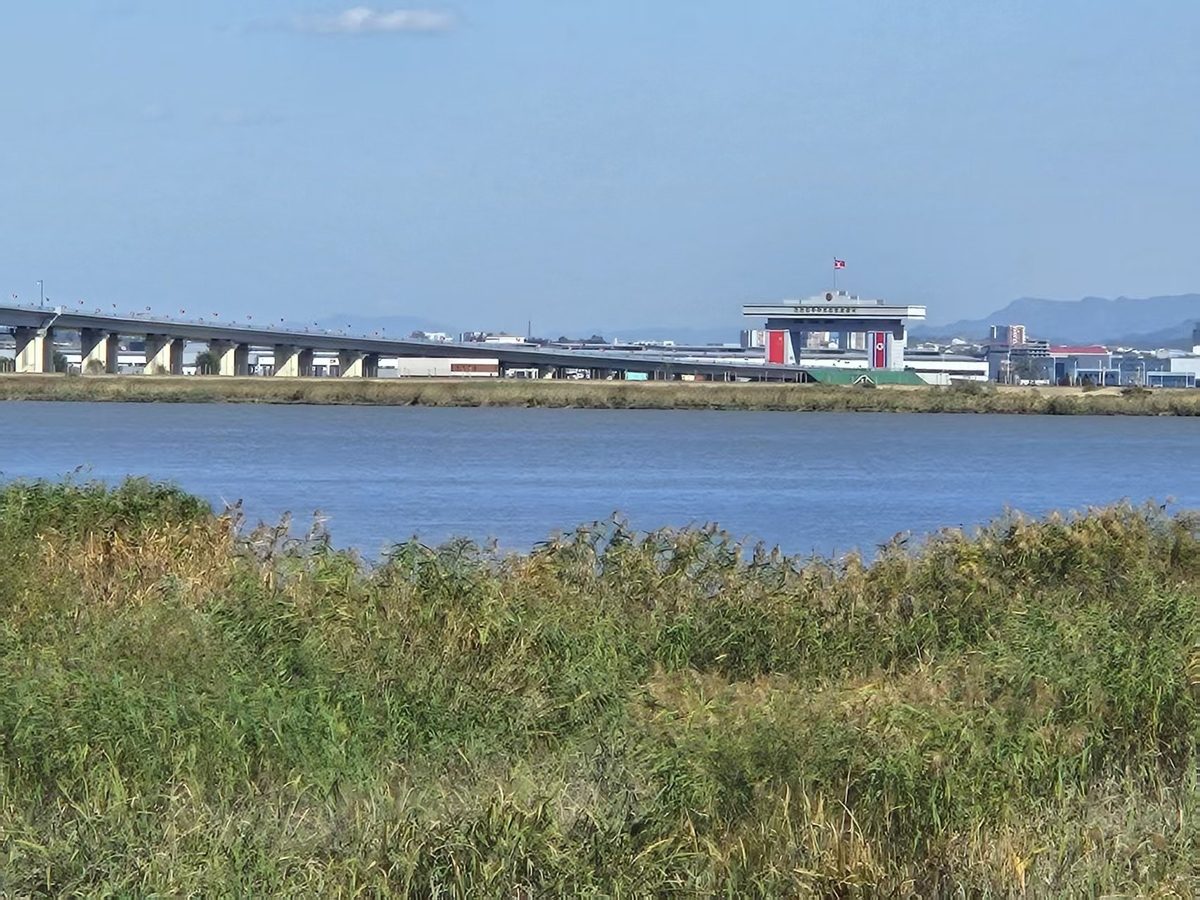
Today: China announces the bridge will open; flags raised at North Korean entrance

Overview

Updated 1 hour ago

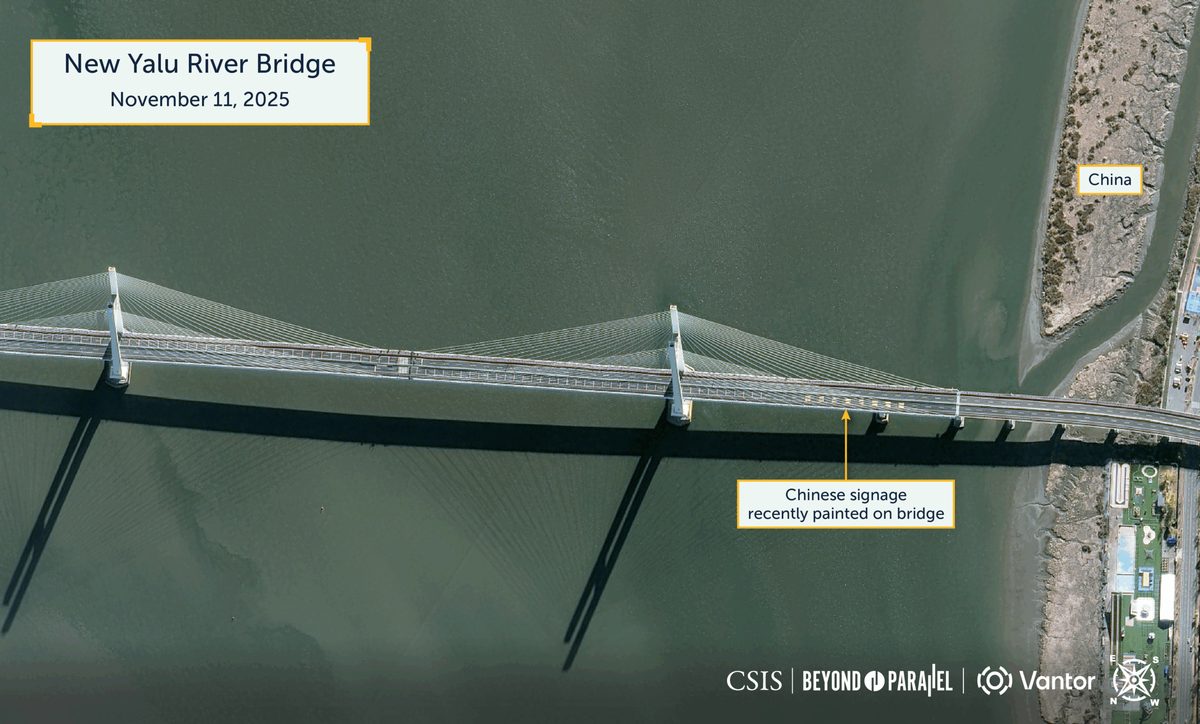
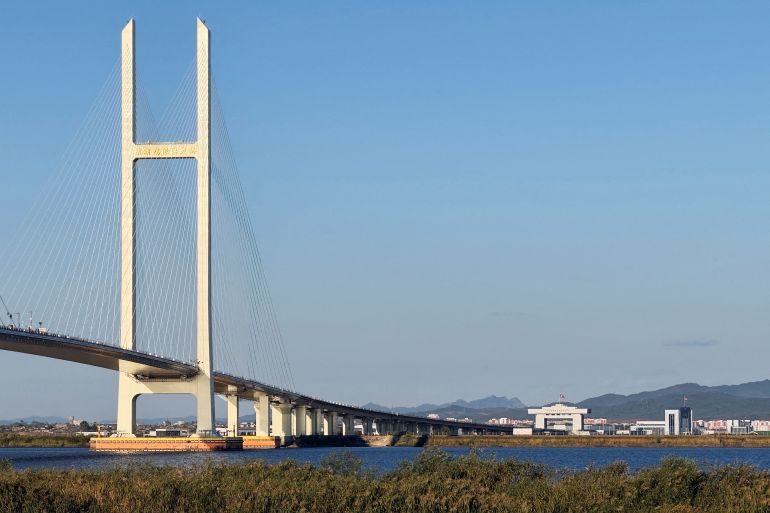
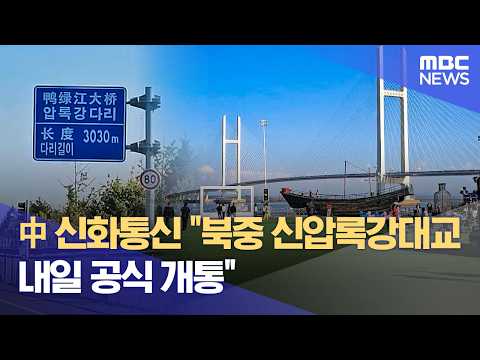
A four-lane road bridge across the Yalu River opens this week, 12 years after China finished building it. North Korea left its approach roads and customs facilities unfinished, so the span sat idle while ties soured over nuclear tests and UN sanctions.

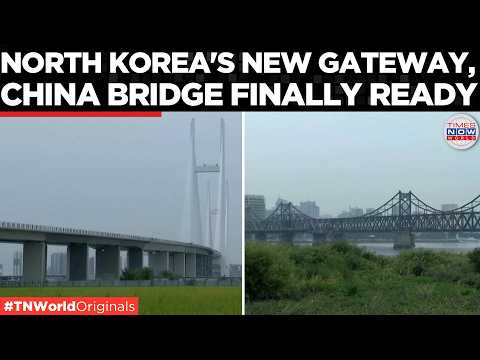
The crossing replaces the aging single-lane Sino-Korean Friendship Bridge as the main freight route on a corridor that carries about 70 percent of China-North Korea trade. Its opening signals warming between Beijing and Pyongyang — even as North Korea deepens its own ties with Russia.

Why it matters

The new bridge doubles road freight capacity on the main China-North Korea trade corridor — a concrete sign that Pyongyang's biggest economic relationship is expanding.

Questions about this story

Free account needed to ask — your question is kept and asked for you right after sign-up. Answers are public.

No questions yet — be the first to ask.

Key Indicators

12 years
Delay between completion and opening
China finished the bridge in 2014; North Korea's slow approach-road work pushed the opening to 2026.
$2.73B
2025 China-North Korea trade
Recovered to 2019 pre-pandemic levels, about a third of 2014's $6.86 billion before sanctions tightened.
70%
Share of China-North Korea trade through this corridor
The Dandong-Sinuiju crossing is the overland hub for most commerce between the two countries.
3.03 km
Bridge length
Four lanes across the Yalu, about 13 km southwest of the old crossing.

Voices

Curated perspectives — historical figures and your fellow readers.

Ever wondered what historical figures would say about today's headlines?

Sign up to generate historical perspectives on this story.

People Involved

Organizations Involved

Timeline

1943 October 2026

11 events Latest: Today Showing 8 of 11
Tap a bar to jump to that date
  1. New Yalu River Bridge opens to traffic

    Upcoming Infrastructure

    The four-lane road bridge officially opens after a 12-year delay.

  2. China announces the bridge will open; flags raised at North Korean entrance

    Today Announcement

    Xinhua reports a joint opening ceremony; North Korean and Chinese flags are raised at the border.

  3. Xi Jinping visits Pyongyang

    Diplomacy

    Analysts say the visit gave strong impetus to preparations for the bridge opening.

  4. Passenger train service resumes after six years

    Transportation

    Cross-border rail service between China and North Korea restarts; direct flights also increase.

  5. Kim Jong-un visits China

    Diplomacy

    The visit restores high-level dialogue and shifts momentum toward opening the bridge.

  6. UN tightens sanctions after nuclear tests

    Sanctions

    China joins UN sanctions on North Korea; bilateral relations and trade cool further.

  7. China completes its side; opening stalls

    Construction

    North Korea's approach roads and customs facilities remain unfinished, pushing back the opening.

  8. Construction begins on the four-lane span

    Construction

    Work starts on the New Yalu River Bridge.

  9. China and North Korea agree to build a new bridge

    Agreement

    Agreement reached during then-Premier Wen Jiabao's trip to Pyongyang.

  10. Crossing renamed Sino-Korean Friendship Bridge

    Historical

    The aging bridge is renamed and remains the only road-rail link between the two countries.

  11. Japan builds the original Yalu River bridge

    Historical

    Japan completes the bridge that later becomes the Sino-Korean Friendship Bridge, carrying a rail track and single-lane road.

Scenarios

1

Trade surges as new bridge doubles freight capacity

Possible Resolves by Q1 2027

Discussed by: Kim Kyu-bum at the Institute for National Security Strategy and analysts who expect freight to double

With four lanes and no rail traffic to share the roadway, trucks move far larger volumes than the old single-lane crossing allowed. Bilateral trade, at $2.73 billion in 2025, climbs toward pre-sanction levels as North Korea's imports from China grow.

2

Cautious opening: trade stays flat despite new capacity

Possible Resolves by Q1 2027

Discussed by: An unnamed diplomatic source in Beijing quoted by the Seoul Economic Daily

UN sanctions still cap what can legally move across the border, and analysts note North Korea's wariness of deeper economic dependence on China. Expanded capacity alone may not translate into an immediate trade boom, the source said.

3

New bridge draws sanctions scrutiny from Washington and Seoul

Possible Resolves by Q2 2027

Discussed by: US and South Korean officials who have accused China of conducting trade in breach of sanctions

As traffic grows, the United States and South Korea point to the new bridge as evidence of sanctions-bypassing, escalating diplomatic pressure on Beijing. China and Russia have questioned the legitimacy of the UN resolutions they once voted to pass.

Historical Context

2 moments from history that rhyme with this story — and how they unfolded.

June 2003 - February 2016

Kaesong Industrial Complex (2003-2016)

A joint inter-Korean industrial park just north of the demilitarized zone, where South Korean firms operated and tens of thousands of North Korean workers assembled goods. At its peak it accounted for a major share of inter-Korean trade.

Then

South Korea closed the complex in February 2016 after North Korean nuclear and missile tests, ending the last major channel of inter-Korean economic exchange.

Now

The closure showed how cross-border economic infrastructure between the two Koreas rises and falls with political relations, and how quickly a symbol of cooperation can become a casualty of tension.

Why this matters now

Like the Yalu River bridge, Kaesong was infrastructure whose operation depended on the political climate. The new bridge's freight volumes will track the state of China-North Korea relations, not just road capacity.

1943-present

Sino-Korean Friendship Bridge (1943)

Japan built the original Yalu River bridge during World War II to carry a railway and a single-lane road between Dandong and Sinuiju. It was renamed the Sino-Korean Friendship Bridge in 1990.

Then

For over 80 years it was the only road-rail link between the two countries, funneling nearly all overland trade through one congested lane.

Now

Its limited capacity became a bottleneck as China became North Korea's dominant trade partner, driving the need for the new crossing.

Why this matters now

The new bridge's purpose is to replace this aging, capacity-constrained crossing as the main road freight route on the China-North Korea border.

Sources

(11)