First official death toll issued as regime reasserts control following internet blackout, embassy evacuations, and threats of U.S. military intervention
First official death toll issued as regime reasserts control following internet blackout, embassy evacuations, and threats of U.S. military intervention
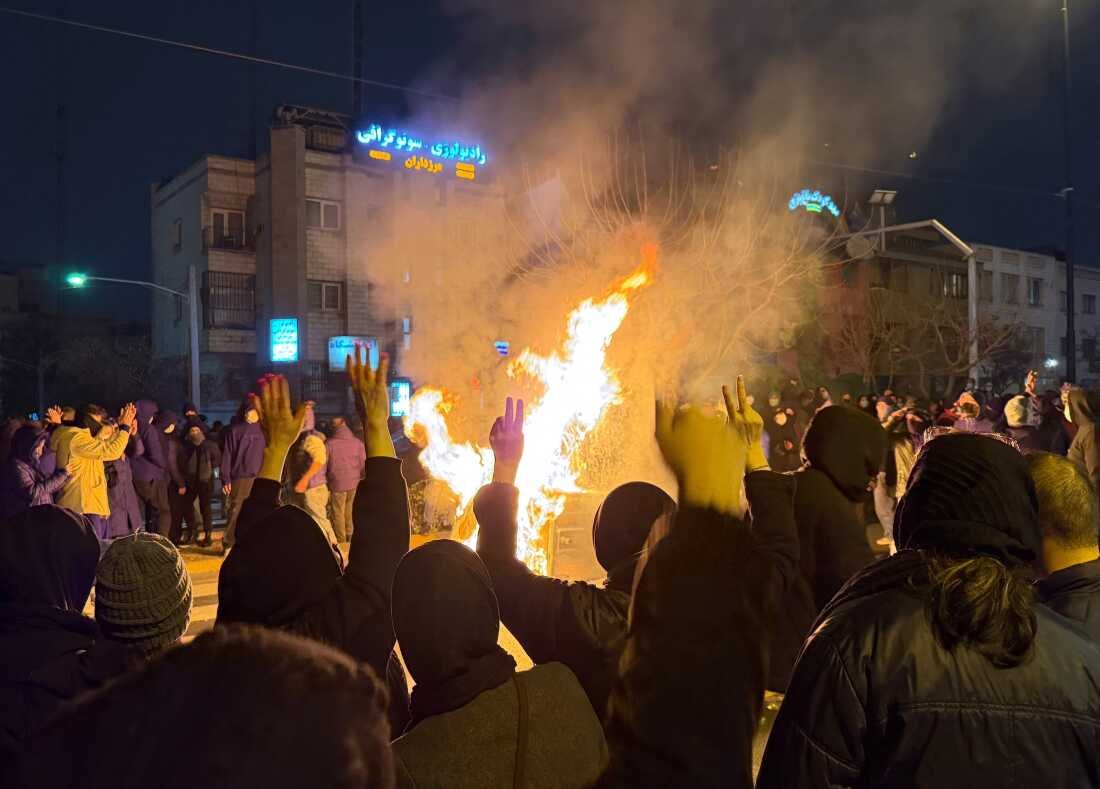
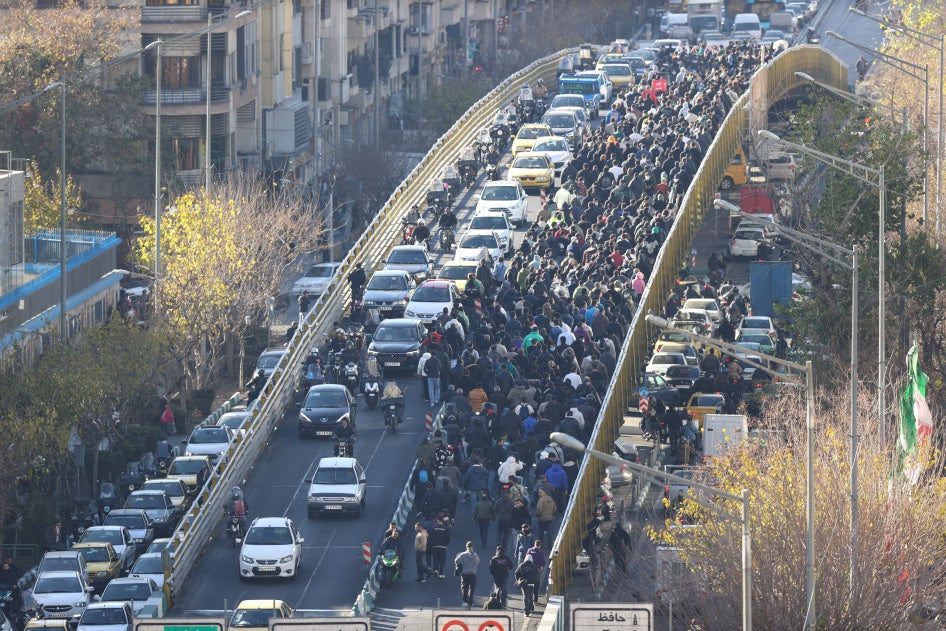
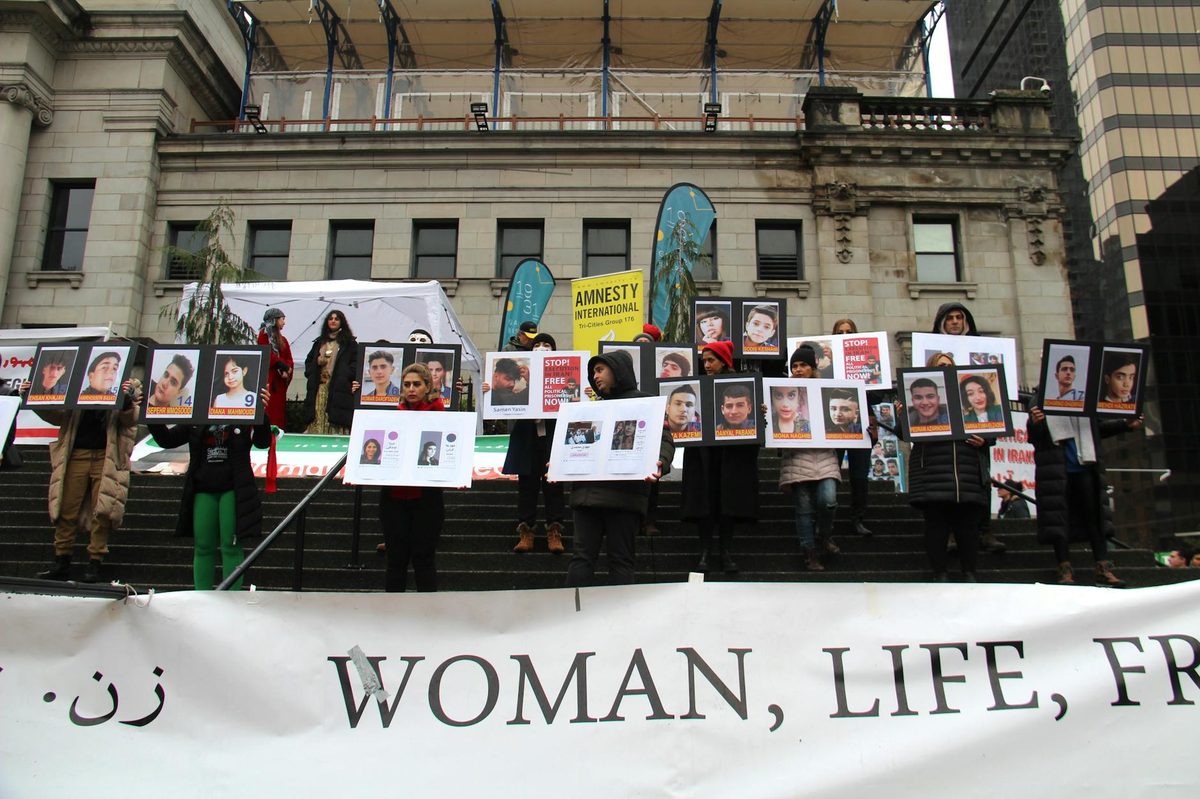
The Islamic Republic has survived four decades of protests—but never anything like this. What began on December 28 as Tehran bazaar merchants protesting a collapsing currency became Iran's largest uprising since the 1979 revolution, with demonstrations in all 31 provinces.
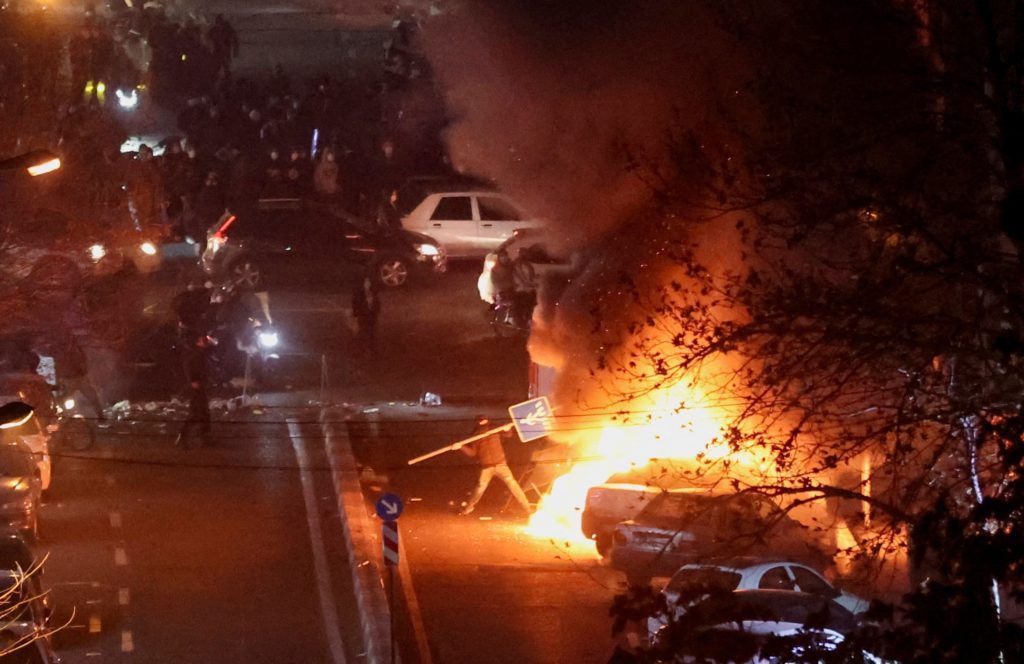
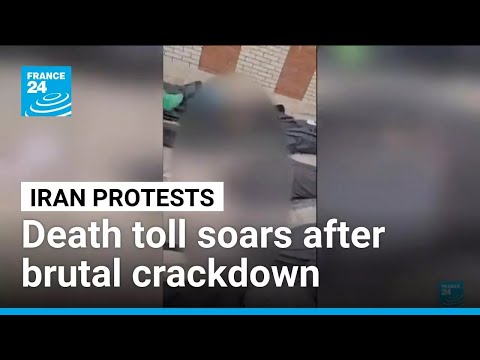
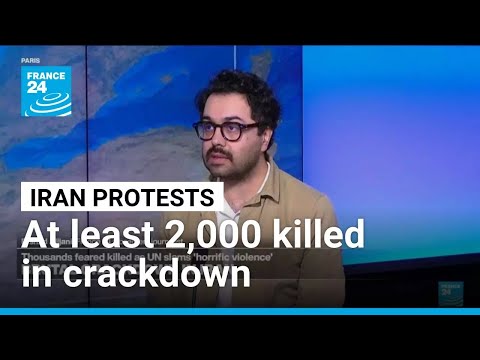
The government responded with an internet blackout and live ammunition. On January 21, Iran issued its first official death toll: 3,117 killed. Independent monitors report much higher figures: the U.S.-based Human Rights Activists News Agency documented at least 5,002 deaths as of January 23, while a network of Iranian doctors estimates 16,500–18,000 killed and 330,000 injured.
The regime reasserted control after three weeks of brutal suppression, with Britain, New Zealand, India, Italy evacuating diplomatic staff amid violence while the UN Security Council met in emergency session without issuing a resolution. Trump threatened military strikes, backed away after Arab ally pressure, then announced a 'massive armada' of U.S. naval forces heading to the Gulf region on January 22-23 and imposed 25% tariffs on countries trading with Iran. Internet access remains heavily restricted despite partial restoration on January 18, while over 26,000 have been arrested with at least 52 executed and widespread fears of mass trials.
Questions about this story
Free account needed to ask — your question is kept and asked for you right after sign-up. Answers are public.
No questions yet — be the first to ask.
Key Indicators
5,002+
Deaths (HRANA count)
Human Rights Activists News Agency count as of Jan 23: 4,716 demonstrators, 203 government-affiliated, 43 children, 40 bystanders
3,117
Official death toll
Iran's first government-issued figure (Jan 21)—activists say actual toll is far higher
16,500+
Doctors' estimate
Iranian medical network's estimate (Sunday Times, Jan 17)—ten times the 2019 'Bloody November' toll
26,000+
Detained
Arrests since protests began, per human rights monitors; at least 52 executed
Partial
Internet status
Limited restoration began Jan 18 but heavily restricted; govt says full access not until March
30 events
Latest: January 22nd, 2026 · 9 months ago
Showing 8 of 30
JK to step
Tap a bar to jump to that date
Jump to
January 2026
Trump Announces Naval 'Armada' Heading to Gulf
LatestMilitary
Despite backing away from strikes days earlier, Trump announces 'massive fleet' including USS Abraham Lincoln carrier strike group diverting from South China Sea to Middle East. 'Maybe we won't have to use it,' Trump said aboard Air Force One returning from Davos.
Iran Issues First Official Death Toll: 3,117
Government Statement
Iranian state television reports 3,117 killed (2,427 described as 'civilians and security forces'), dramatically lower than independent estimates. Human Rights Activists News Agency simultaneously reports 4,519 deaths; activists warn actual toll 'risked being many times higher.'
EU Announces New Sanctions Package
Diplomatic
European Commission President von der Leyen announces EU will tighten existing sanctions and impose additional measures, proposing 'a ban on additional exports of critical technologies for drones and missiles.' EU foreign policy chief Kallas signals 'new, harsher sanctions' over violent repression.
Government Reasserts Control Over Protests
Political
UN rights chief Volker Türk warns Iran using executions as 'state intimidation.' Multiple sources report Iranian government has reasserted control following three-week crackdown, with street demonstrations suppressed.
Limited Internet Access Briefly Restored
Censorship
Limited internet access briefly restored after 10-day blackout, then suspended again. SMS services restored January 17 as part of 'phased restoration.' Government spokesperson says full international web access won't return until Persian New Year in March at earliest.
Arrest Count Surpasses 26,000
Crackdown
Human Rights Activists News Agency reports over 26,000 people arrested since protests began. At least 52 executions carried out between January 5-14. Judiciary head pledges expedited criminal proceedings and capital punishment for detained protesters.
Supreme Leader publicly admits thousands killed 'in an inhuman, savage manner,' calling Trump 'criminal' for casualties. First public acknowledgment of mass death toll.
Chemical Weapons Use Reported
Crackdown
Footage emerges of security forces in hazmat suits atop vehicles. Opposition media report possible use of toxic chemical substances against protesters.
Doctors Report 16,500+ Deaths, 330,000 Injured
Casualty Report
Sunday Times reports network of Iranian doctors estimates 16,500-18,000 killed and approximately 330,000 injured during three-week crackdown.
Trump Administration Backs Away from Military Strikes
Diplomatic
Washington Post reports Trump and advisers contemplated striking Iran but backed away as costs loomed and Middle East allies lobbied for restraint.
New Zealand Evacuates Tehran Embassy
Diplomatic
New Zealand closes Tehran embassy, evacuates diplomatic staff to Ankara. Foreign Minister Peters urges all 46 registered New Zealanders in Iran to leave immediately.
India Urges Citizens to Leave Iran
Diplomatic
Indian Embassy in Tehran urges all Indian nationals to leave Iran 'by any means as soon as possible' amid deteriorating situation. Italy announces non-essential embassy staff withdrawal.
UN Security Council Meets, Issues No Resolution
Diplomatic
Emergency session requested by U.S. ends without consensus. Russia and China oppose intervention; Iran accuses U.S. of 'direct involvement' in unrest.
U.S. Imposes New Sanctions
Sanctions
Treasury sanctions 18 individuals and entities including national security chief Ali Larijani for orchestrating crackdown and laundering oil revenues.
UN Secretary-General Urges 'Maximum Restraint'
Diplomatic
UN chief António Guterres expresses shock at reports of deadly violence and excessive force, urges Iranian authorities to exercise maximum restraint and protect right to peaceful assembly.
UK Evacuates Tehran Embassy
Diplomatic
Britain closes its Tehran embassy and evacuates ambassador and all staff, citing worsening security. Embassy to operate remotely.
G7 Threatens Additional Sanctions
Diplomatic
G7 foreign ministers express 'grave concern' and warn of additional sanctions if crackdown continues.
U.S. Evacuates Troops from Qatar Air Base
Military
United States begins evacuating hundreds of troops from Al Udeid Air Base in Qatar ahead of possible Iran military action, moving personnel to other regional facilities and hotels.
Trump Announces 25% Tariffs on Iran Trading Partners
Sanctions
President announces 25% tariffs 'effective immediately' on countries doing business with Tehran, first action penalizing Iran for protest crackdown.
Mass Casualties Reported Amid Blackout
Crackdown
Iran International reports 2,000 killed in 48 hours. Guardian documents reports of 'hundreds of bodies' in Tehran. Video shows 120+ body bags at Behesht Zahra Cemetery.
Attorney General: Protesters Are 'Enemies of God'
Legal
Iran's attorney general declares participation in protests punishable by death under 'moharebeh' charges.
Protests Reach All 31 Provinces
Protest
Demonstrations reported in at least 185 cities across every Iranian province. Millions participate.
99% Internet Blackout Begins
Censorship
Iran imposes near-total internet shutdown. Authorities also jam GPS signals to disrupt Starlink connections.
Iraqi Militias Cross Into Iran
Military
Nearly 5,000 Iraqi militia fighters from Kataib Hezbollah, Harakat al-Nujaba, and other groups enter Iran to assist with crackdown.
Khamenei: 'Rioters Must Be Put in Their Place'
Statement
Supreme Leader signals hardline response after Trump warns U.S. will help protesters if Iran 'shoots' them.
December 2025
Government Declares Holiday as Protests Spread
Political
Authorities close offices and schools, but demonstrations spread to 17 of 31 provinces. Oil workers and truckers join the strikes.
Central Bank Chief Resigns
Political
Mohammad Reza Farzin resigns as head of Iran's Central Bank as protests spread beyond Tehran.
Protests Erupt Over Currency Collapse
Protest
Tehran bazaar merchants shutter shops as the rial collapses to 1.44 million per dollar. Demonstrations begin at Alaeddin Shopping Centre and spread to other commercial centers.
September 2025
UN Snapback Sanctions Reimposed
Diplomatic
United Nations reimposed nuclear-related sanctions on Iran through the 'snapback' mechanism, further squeezing the economy.
June 2025
12-Day Israel-Iran War Ends
Military
Israel and the U.S. strike Iran's nuclear facilities during 12-day conflict, killing 436 Iranian civilians and severely damaging Iran's nuclear program and air defenses.
Scenarios
1
Protests Smothered, Regime Survives Weakened
Likely
Discussed by: NPR, PBS, analysts noting protest activity has slowed under heavy security presence
The internet blackout and mass use of lethal force succeed in suppressing the uprising, as they did in 2019 and 2022. Protests peter out over the next 1-2 weeks. The regime survives but is further delegitimized domestically and internationally, with expanded sanctions limiting economic recovery. This resembles the aftermath of the 2019 'Bloody November' protests.
2
U.S. Military Strikes Iranian Security Infrastructure
Possible
Discussed by: CNN, NBC News, Wall Street Journal reporting on administration deliberations
Trump authorizes limited strikes on IRGC facilities or security infrastructure responsible for the crackdown. Arab allies have urged restraint, but if credible evidence of ongoing massacres emerges—or if Iran retaliates against U.S. assets—the administration may act. Military planners have discussed long-range missiles, cyber operations, and targeting security service facilities.
Sustained pressure from protests, combined with sanctions and international isolation, creates fissures within the regime. Military or IRGC elements refuse to continue mass killings, or elite defections accelerate. This would likely require weeks of continued unrest and external pressure. Some analysts note the regime has never faced simultaneous economic collapse, military defeat (June 2025), and mass mobilization.
4
Regional Escalation: Israel Strikes, Iran Retaliates
Possible
Discussed by: Wall Street Journal, Times of Israel, reporting on Netanyahu-Trump discussions
Israel, seeing regime vulnerability, strikes Iranian missile facilities or remaining nuclear infrastructure—a 'round two' after June 2025. Iran retaliates against U.S. bases or Israeli territory, potentially drawing in the United States. This scenario becomes more likely if the regime appears to be collapsing and regional powers race to shape the outcome.
5
Mass Executions of Detained Protesters
Possible
Discussed by: UN rights chief Volker Türk, human rights organizations, NPR reporting on judiciary pledges
With 26,000+ arrested and judiciary head pledging expedited trials and capital punishment, Iran could execute hundreds or thousands of detained protesters as it did after the 1979 revolution and 1988 prison massacres. At least 52 have already been executed. UN warns executions being used as 'state intimidation.' This would trigger additional international sanctions and potentially military response from the U.S.
Historical Context
3 moments from history that rhyme with this story — and how they unfolded.
1 of 3
November 2019
Iran's 'Bloody November' (2019)
Protests erupted after the government announced a 50-200% fuel price increase. Demonstrations spread to 21 cities within hours. The government imposed a six-day internet blackout and security forces used live ammunition, killing an estimated 300-1,500 people according to varying sources. Amnesty International documented 321 deaths.
Then
Protests were suppressed within days. Over 7,000 arrested. No officials held accountable.
Now
Established the regime's willingness to use mass lethal force and internet blackouts to crush dissent. Created template for 2026 crackdown.
Why this matters now
The 2026 crackdown follows the same playbook—internet shutdown, live ammunition, foreign militia support—but at significantly larger scale. Death tolls already exceed 2019 figures by 8-10x in just two weeks.
The death of 22-year-old Mahsa Amini in morality police custody sparked months of protests across Iran, with demonstrators calling for an end to mandatory hijab laws and broader political freedoms. Security forces killed approximately 551 people and detained over 22,000.
Then
Protests were eventually suppressed through arrests, executions, and sustained violence. Seven protesters were executed.
Now
Severely damaged the regime's legitimacy, particularly among women and youth. Created network of dissent that reactivated in 2026.
Why this matters now
The 2026 protests have killed four times as many people in two weeks as the entire Mahsa Amini uprising. The current movement builds on grievances and networks from 2022 but has broader participation across economic classes.
3 of 3
March - December 2011
Syria's Uprising and Embassy Closures (2011)
Anti-government protests began in Daraa after security forces killed demonstrators. Assad responded with escalating violence—over 4,000 dead by year's end. Western countries closed embassies as the situation deteriorated; Qatar closed its embassy after pro-Assad mobs attacked it.
Then
Protests transformed into armed rebellion. UN Security Council remained deadlocked as Russia and China vetoed intervention.
Now
Began civil war that killed 500,000+ and displaced millions. Assad survived with Russian and Iranian support.
Why this matters now
Embassy evacuations signal international assessment that a country has crossed from instability into potential state collapse or war. The same pattern of Western diplomatic withdrawal is now occurring in Iran. However, Iran lacks the ethnic/sectarian fractures that fueled Syria's civil war.