
Pull to refresh
Logo
Amateur astronomer spots 390-million-year-old impact crater on satellite maps

Amateur astronomer spots 390-million-year-old impact crater on satellite maps

New Capabilities

A Quebec camping-trip scouting session led to the largest crater discovery since 2018

Today: NASA and ScienceDaily publicly report the confirmed crater

Overview

Updated 1 hour ago

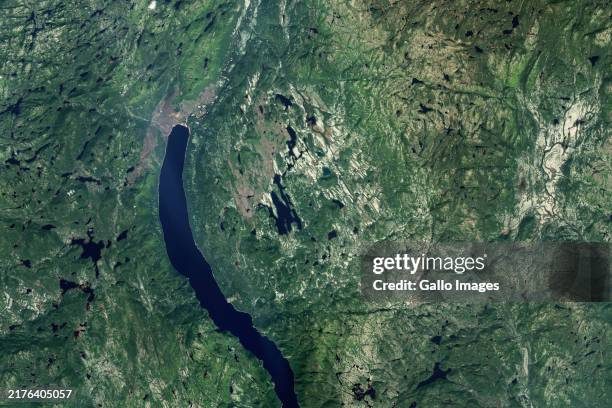
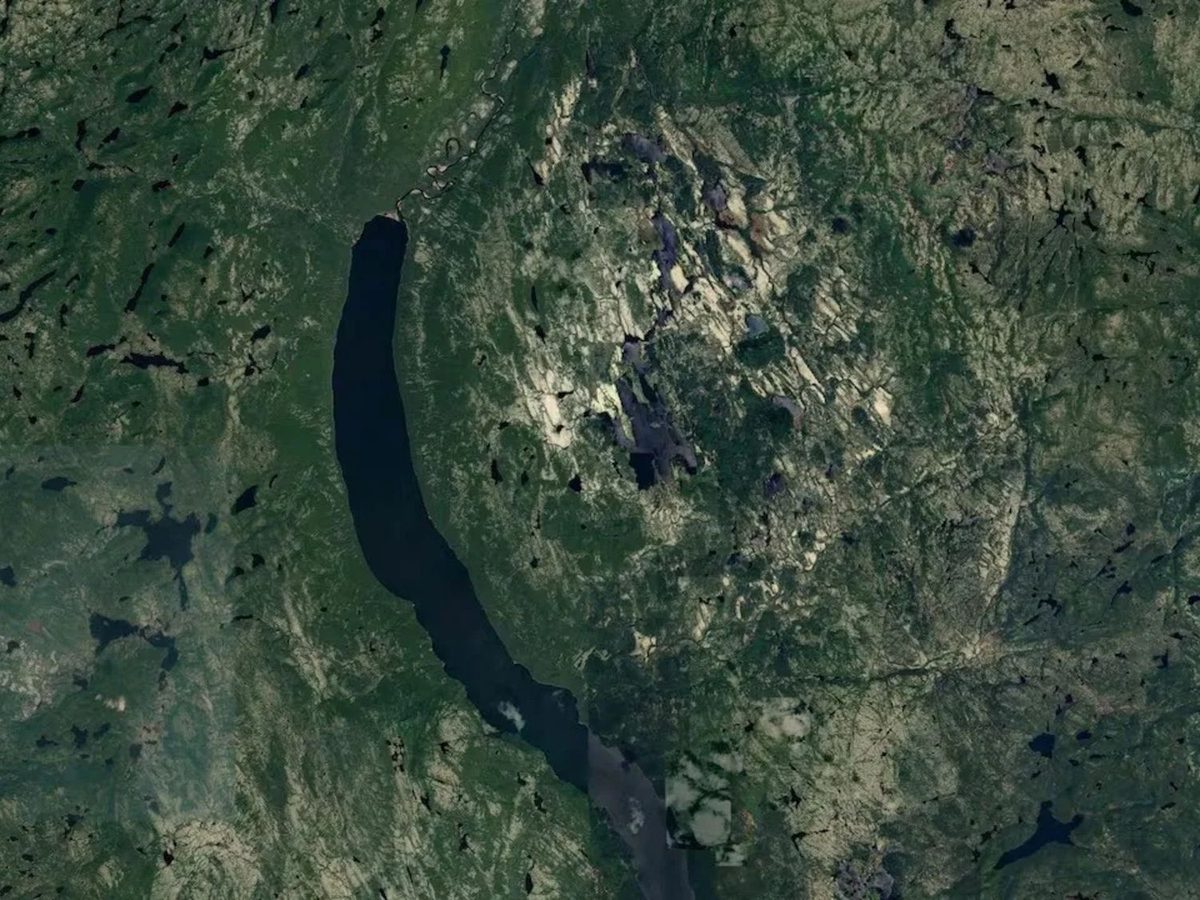
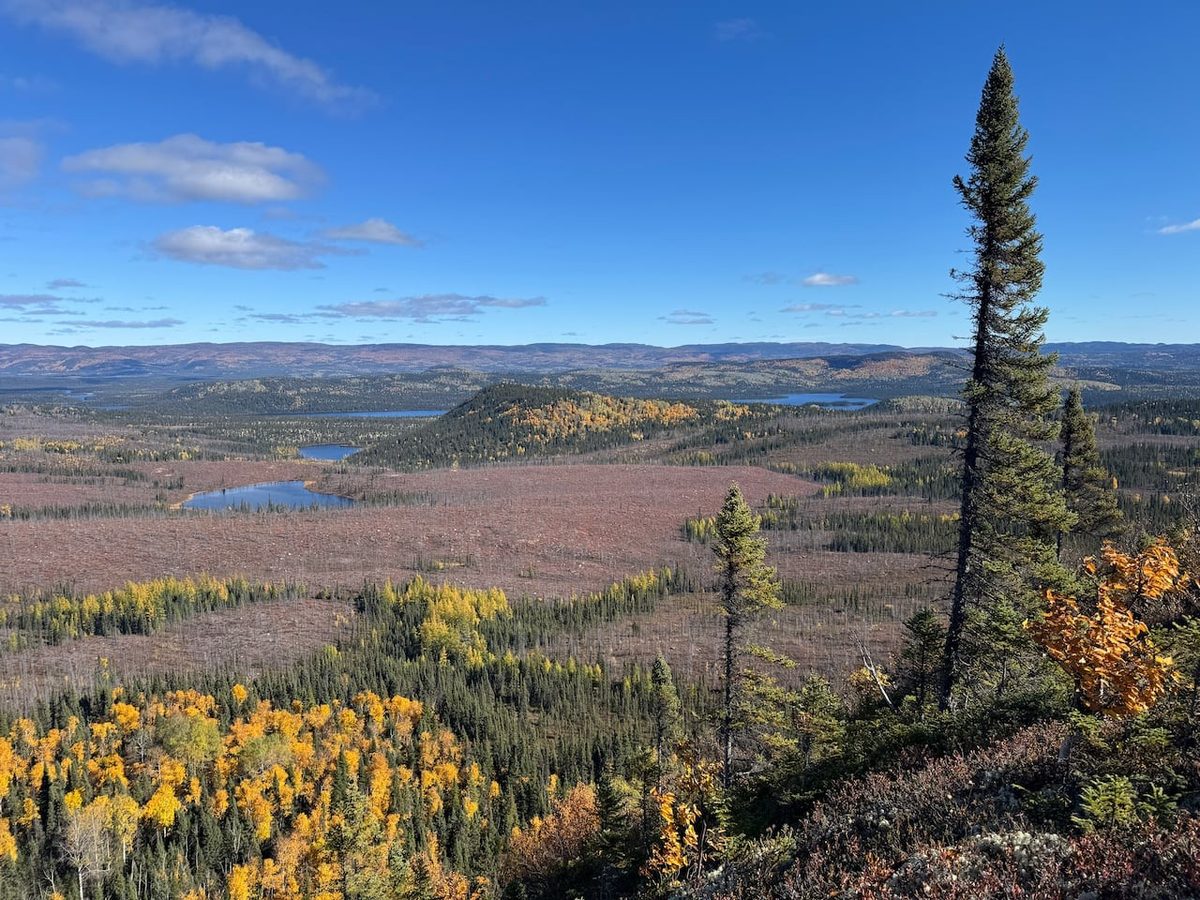
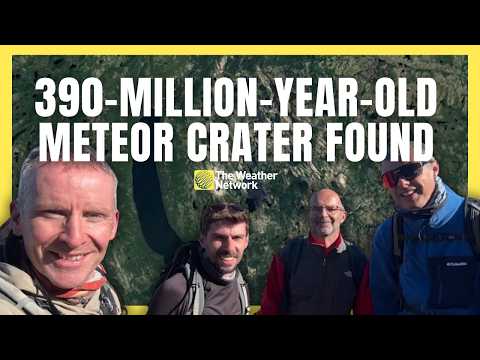
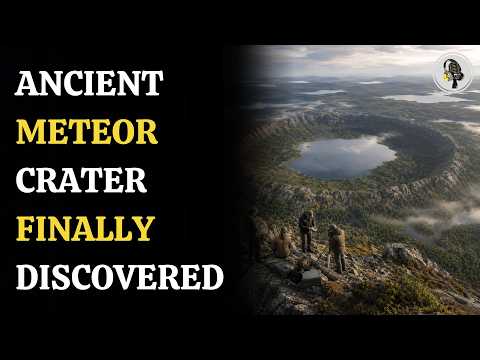
Joël Lapointe was planning a camping trip to Quebec's remote Côte-Nord region in 2024 when a circular depression near Lake Marsal caught his eye on online satellite maps. He emailed geologists on two continents. A year later, a field expedition reached the site by floatplane and found shatter cones, grooved rock fractures that only form under the shock of an impact. The structure is a 25-kilometer-wide impact crater, blasted into Earth roughly 390 million years ago during the Devonian Period.

The discovery matters because only about 200 impact craters are confirmed on Earth, and geologists believe hundreds more remain hidden under vegetation, sediment, and ice. Uhackatik, named with approval from the Innu Council of Ekuanitshit, is the largest crater found since the 31-kilometer Hiawatha structure in Greenland was confirmed in 2018. Well-preserved craters like this one give scientists ground-truth data for interpreting craters on the Moon and Mars.

Why it matters

A 25-kilometer crater hiding in plain sight means hundreds more impact structures likely remain undiscovered, each holding clues to Earth's geological and biological history.

Questions about this story

Free account needed to ask — your question is kept and asked for you right after sign-up. Answers are public.

No questions yet — be the first to ask.

Key Indicators

25 km
Crater diameter
Width of the Uhackatik impact structure, spanning 16 miles across.
390 million
Age of the impact (years)
Rock samples date the collision to the Devonian Period, before dinosaurs existed.
~200
Confirmed impact craters on Earth
Geologists estimate hundreds more remain undiscovered beneath erosion, sediment, and vegetation.

Voices

Curated perspectives — historical figures and your fellow readers.

Ever wondered what historical figures would say about today's headlines?

Sign up to generate historical perspectives on this story.

People Involved

Organizations Involved

Timeline

2024 September 2026

5 events Latest: Today
Tap a bar to jump to that date
  1. NASA and ScienceDaily publicly report the confirmed crater

    Today Publication

    The discovery was publicly detailed, naming the structure Uhackatik and confirming its 25-kilometer size and 390-million-year age.

  2. Findings presented at Meteoritical Society meeting in Frankfurt

    Conference Presentation

    The team presented evidence at the 88th Annual Meeting, including roughly 50 meters of preserved impact melt rock, an unusual amount for a crater this old.

  3. Field expedition confirms impact origin

    Fieldwork

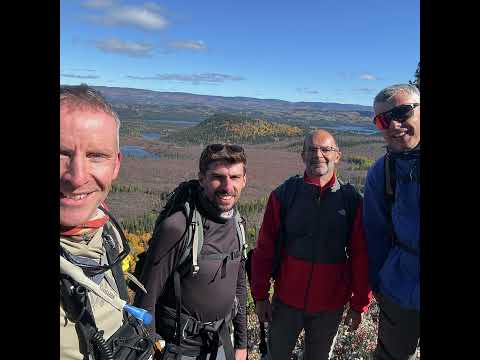
    Gordon Osinski's team reached the remote site by floatplane and found shatter cones and impact melt rocks, confirming the crater's extraterrestrial origin.

  4. Amateur astronomer spots circular feature on satellite maps

    Discovery

    Joël Lapointe noticed a circular depression near Lake Marsal while planning a camping trip in Quebec's Côte-Nord region.

  5. French researchers flag possible impact structure

    Scientific Assessment

    After Lapointe contacted experts, a French team listed Lake Marsal as the center of a possible 11th impact structure in Quebec at a Meteoritical Society meeting.

Scenarios

1

Meteoritical Society formally adds Uhackatik to the Earth Impact Database

Likely Resolves by Aug 31, 2027

Discussed by: NASA Earth Observatory, The Meteoritical Society

The Meteoritical Society's committee formally recognizes the 25-kilometer structure as a confirmed impact crater at its next annual meeting. Osinski's team considers it essentially confirmed already, and the formal listing would make Uhackatik one of roughly 200 confirmed craters and the 11th in Quebec. This is the expected outcome given the field evidence.

2

Peer-reviewed study details the crater's age, structure, and Devonian effects

Likely Resolves by End of 2027

Discussed by: NASA, Western University researchers, geoscience journals

The team publishes a full study in a major geoscience journal with detailed dating of the impact melt rocks, refining the 390-million-year estimate and analyzing the crater's structure, including its central uplift and columnar jointing. If the dating confirms the Devonian age, it places the impact about 100 million years before a known surge in Earth's cratering rate, helping scientists understand impact frequency.

3

Uhackatik becomes an astronaut training analog site

Possible Resolves by End of 2028

Discussed by: NASA Artemis Geology Team, Gordon Osinski

Because Uhackatik is well-preserved, water-filled, and accessible by floatplane, it could complement Kamestastin crater in Labrador as a training ground for Artemis astronauts practicing lunar geology. Osinski, a member of NASA's first Artemis Geology Team, already uses Kamestastin for this purpose. However, Uhackatik's extreme terrain and remoteness make this less likely in the near term; Osinski has said he does not expect astronauts there soon.

Historical Context

3 moments from history that rhyme with this story — and how they unfolded.

1891-1960s

Sudbury Basin, Ontario, Canada (confirmed 1960s)

Canada's Sudbury Basin, a 130-kilometer-long elliptical structure, was mined for nickel and copper for decades before geologists recognized it as the scar of a 1.85-billion-year-old asteroid impact. Its economic metals, now understood to have been concentrated by the impact's heat and shock, made it one of the world's most valuable mining districts.

Then

Recognition of Sudbury's impact origin reshaped understanding of how impact events can concentrate economic mineral deposits.

Now

Sudbury became a global reference site for impact geology and a training ground for Apollo astronauts in the 1970s, establishing the template later used at Kamestastin and now considered for Uhackatik.

Why this matters now

Sudbury shows that a massive crater can sit in plain sight, economically exploited for decades before its extraterrestrial origin is recognized. It also demonstrates the pattern Osinski now follows: using well-preserved craters as astronaut training grounds.

1978-1991

Chicxulub crater, Mexico (1991)

Geophysicists analyzing oil exploration gravity data in the Yucatán Peninsula noticed a buried circular structure roughly 180 kilometers in diameter. In 1991, researchers published evidence connecting it to the asteroid impact that killed the non-avian dinosaurs 66 million years ago. The crater had been invisible at the surface, buried beneath younger limestone.

Then

Chicxulub became the leading explanation for the K-Pg extinction event, shifting the debate over dinosaur extinction from gradual volcanism to catastrophic impact.

Now

It established that the largest impact structures on Earth can be completely hidden beneath younger rock, and that geology's 'crater record' is radically incomplete.

Why this matters now

Like Uhackatik, Chicxulub was found because someone noticed an unusual circular feature in data collected for another purpose. Both cases show that unexpected observations, not systematic searches, have produced Earth's most significant crater finds.

2015-2018

Hiawatha crater, Greenland (2018)

A 31-kilometer crater was discovered beneath the Hiawatha Glacier in northwest Greenland using ice-penetrating radar. Danish and international researchers initially announced the find in 2018, and a 2015 airborne radar survey had revealed a deep circular depression. The crater has since undergone ongoing debate over its age, with estimates ranging from about 58 million years to less than 100,000 years.

Then

The discovery shocked the glaciology community and raised questions about whether an impact could have affected the Greenland ice sheet.

Now

Hiawatha became the standard reference for newly found large craters, demonstrating that major impact structures can hide beneath ice and sediment for millions of years.

Why this matters now

Uhackatik is the largest crater found since Hiawatha. Both were discovered by accident through remote sensing rather than by deliberate crater-hunting, and both highlight how many large impact structures likely remain hidden.

Sources

(7)