
Pull to refresh
Logo
BepiColombo's X-ray telescope returns first observations as it reaches Mercury

BepiColombo's X-ray telescope returns first observations as it reaches Mercury

New Capabilities

The UK-built MIXS instrument calibrated on the Crab Nebula after eight years in space and is ready to map Mercury's surface chemistry.

Overview

Updated 2 hours ago

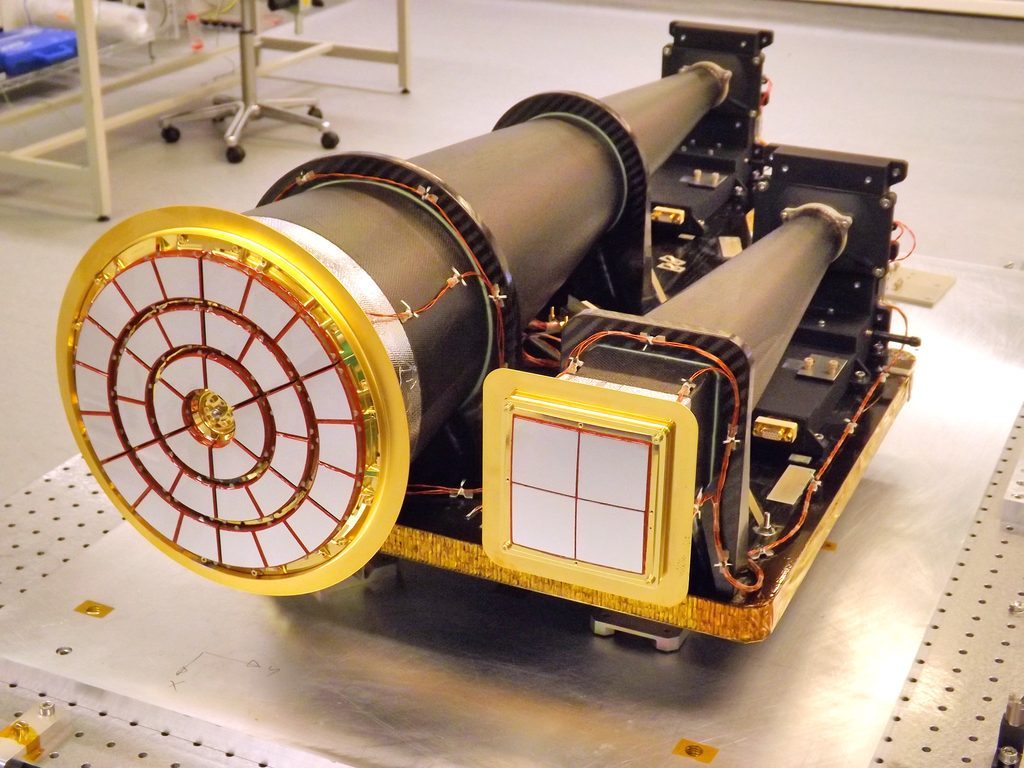
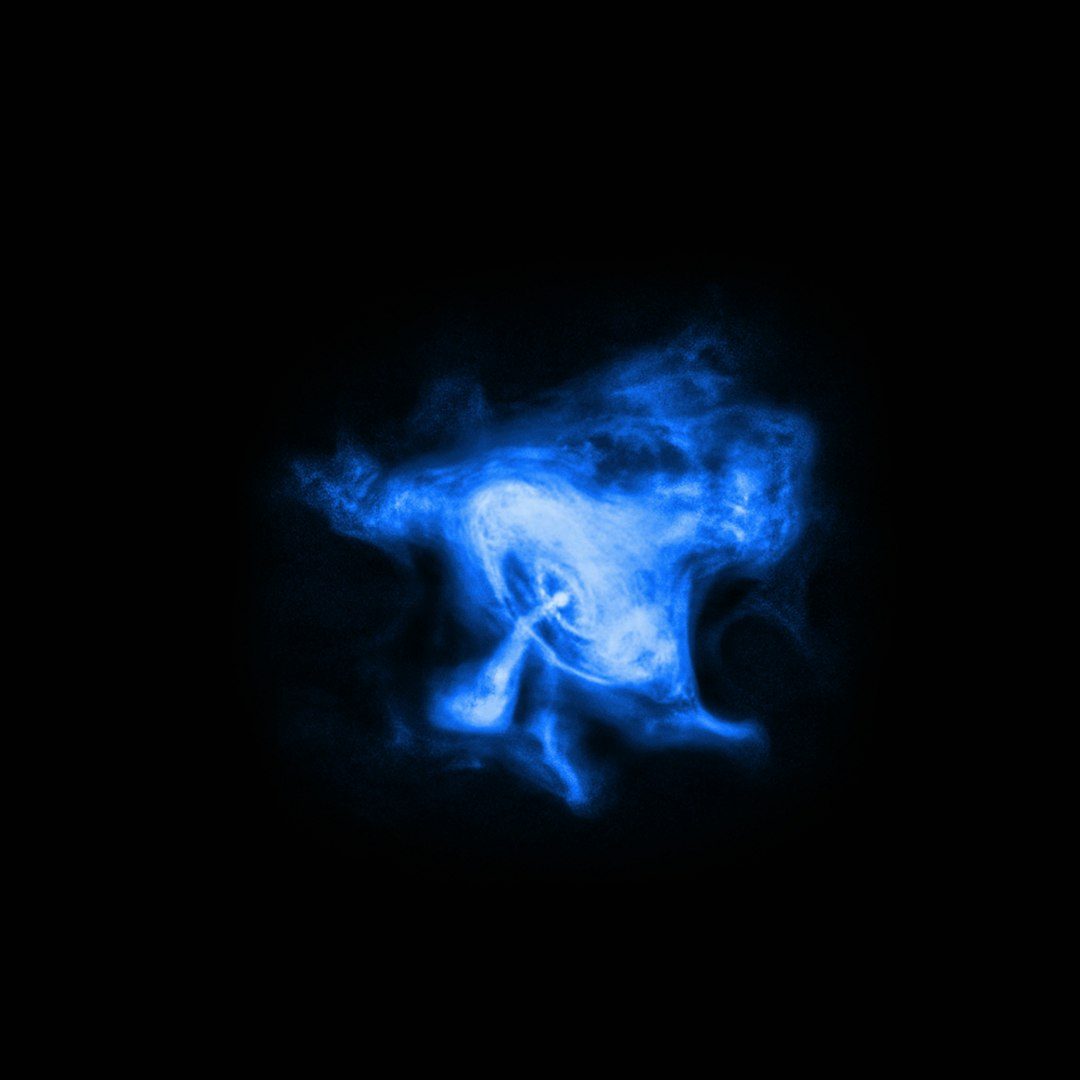
The Mercury Imaging X-ray Spectrometer (MIXS) spent eight years inside a stacked spacecraft with no view of open sky. The propulsion module that carried it toward Mercury separated on 3 September 2026, clearing the way. Eight days later, the University of Leicester team aimed the instrument at the Crab Nebula, 6,500 light-years away, and it detected the X-rays.

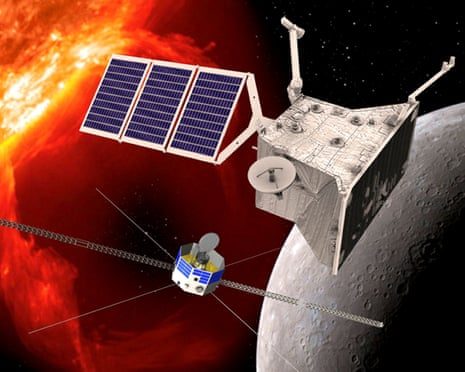
MIXS is the first imaging X-ray telescope sent to another planet. It identifies elements on Mercury's surface by reading the X-rays they emit when solar radiation strikes them, so the mission can map the planet's chemistry without landing. BepiColombo reaches Mercury orbit on 21 November 2026, and the science phase is scheduled to begin in April 2027.

Why it matters

Mercury's surface chemistry has never been mapped at this resolution. MIXS will read the planet's composition from orbit, without landing.

Questions about this story

Free account needed to ask — your question is kept and asked for you right after sign-up. Answers are public.

No questions yet — be the first to ask.

Key Indicators

10 billion km
Distance travelled since launch
BepiColombo's cruise to Mercury covered roughly 10 billion kilometres across eight years.
8 years
Time in space before first light
MIXS was blocked by the transfer module until the stack separated in September 2026.
55
Spacecraft slews during calibration
The 39-hour Crab Nebula observation used 55 controlled changes in orientation.
80%
Share of MIXS technology that is new
Most of the instrument's hardware had no prior flight heritage.
6,500 light-years
Distance to the calibration target
The Crab Nebula is a well-characterised X-ray source used to measure instrument performance.

Voices

Curated perspectives — historical figures and your fellow readers.

Sign up to generate historical perspectives on this story.

People Involved

Organizations Involved

Timeline

2015 April 2027

8 events Latest: Today
Tap a bar to jump to that date
  1. Science phase scheduled to begin

    Upcoming Mission

    Routine science operations start after commissioning of the payloads in Mercury orbit.

  2. Orbiters separate

    Upcoming Mission

    The Mercury Planetary Orbiter and Mio split into separate orbits over two days.

  3. BepiColombo enters Mercury orbit

    Today Arrival

    The spacecraft begins its orbit insertion sequence at the end of the eight-year cruise.

  4. Leicester team reports calibration results

    Announcement

    The team says angular resolution slightly beats the 2015 lab measurement and the detector shows no radiation damage.

  5. MIXS observes the Crab Nebula

    Observation

    Over 39 hours and 55 spacecraft slews, the telescope records its first astronomical X-ray source.

  6. Transfer module separates

    Mission

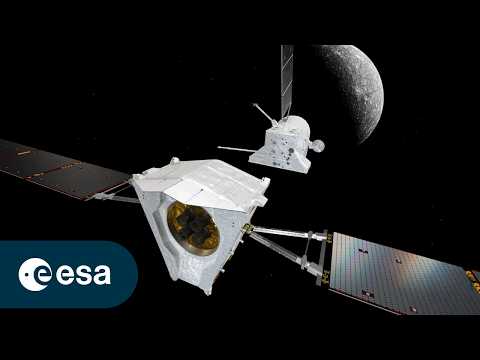
    The Mercury Transfer Module falls away, giving MIXS its first unobstructed view of space.

  7. BepiColombo launches from Kourou

    Launch

    The two-spacecraft stack begins an eight-year cruise using one Earth flyby, two Venus passes and six Mercury flybys.

  8. MIXS completes laboratory calibration

    Calibration

    Engineers measure the instrument's performance in the lab, setting the benchmark for later in-space tests.

Scenarios

1

MIXS starts mapping Mercury's surface in April 2027

Likely Resolves by End of 2027

Discussed by: ESA and University of Leicester mission teams

The commissioning work planned for Mercury orbit resolves the instrument effects the team is still studying, and MIXS begins routine dayside observations on the published science-phase schedule. The first data would be elemental ratios for regions passing under the spacecraft's ground track.

2

MIXS delivers a global elemental map of Mercury

Possible Resolves by End of 2029

Discussed by: Planetary science community tracking BepiColombo's composition objectives

Years of orbital passes build up enough coverage to publish global abundances for elements such as magnesium, aluminium, silicon, calcium and iron. That map would let researchers test how Mercury formed from the solar nebula and how its surface was altered by space weather.

3

An instrument fault limits MIXS observations

Unlikely Resolves by Q2 2028

Discussed by: Instrument teams; the Leicester group has flagged effects still under study

The unexplained effects seen during calibration turn out to be a hardware problem, or a new fault appears after orbit insertion. Dayside observations are suspended or restricted, leaving the composition map incomplete. The team has already ruled out stray light, radiation damage and cosmic-ray artefacts as causes.

Historical Context

3 moments from history that rhyme with this story — and how they unfolded.

July-August 1971

Apollo 15 X-ray fluorescence experiment (1971)

The Apollo 15 command module carried an X-ray fluorescence spectrometer in its instrument bay. As it orbited the Moon, it measured the X-rays kicked out of the lunar surface by solar radiation, producing the first orbital maps of magnesium, aluminium and silicon abundances.

Then

The experiment showed that surface composition could be read remotely, without samples.

Now

X-ray fluorescence became a standard orbital method, later flown on other lunar and asteroid missions.

Why this matters now

MIXS uses the same physical effect at Mercury, but with an imaging telescope that resolves features rather than averaging along a ground track.

March 1974 - March 1975

Mariner 10 at Mercury (1974-1975)

Mariner 10 made three flybys of Mercury, the only spacecraft to visit the planet for more than three decades. It photographed roughly 45% of the surface and found a weak magnetic field, but flyby geometry gave it no chance to measure surface chemistry in detail.

Then

Scientists got their first close images of a heavily cratered, airless world.

Now

Mercury went unvisited from 1975 until MESSENGER arrived in 2011, leaving large gaps in composition data.

Why this matters now

BepiColombo is only the third mission to reach Mercury, and the first to carry an imaging X-ray telescope there.

March 2011 - April 2015

MESSENGER in Mercury orbit (2011-2015)

NASA's MESSENGER became the first spacecraft to orbit Mercury. Its X-ray spectrometer measured surface abundances of magnesium, aluminium, silicon, sulfur, calcium and iron, and found a surface rich in sulfur and poor in iron compared with the other rocky planets.

Then

The measurements overturned assumptions that Mercury's composition resembled the Moon's.

Now

MESSENGER's maps set the questions BepiColombo was designed to answer with better resolution and full coverage.

Why this matters now

MIXS is the direct successor to MESSENGER's X-ray work, adding imaging capability that MESSENGER's spectrometer did not have.

Sources

(3)