

Pull to refresh
Logo
Australia sanctions two men over Iran-linked arson attacks on Jewish sites

Australia sanctions two men over Iran-linked arson attacks on Jewish sites

Force in Play

Canberra names Zohair Hassib and Kazem Hamad as the IRGC proxies behind the 2024 firebombings of a Sydney kosher restaurant and a Melbourne synagogue

Overview

Updated 1 hour ago

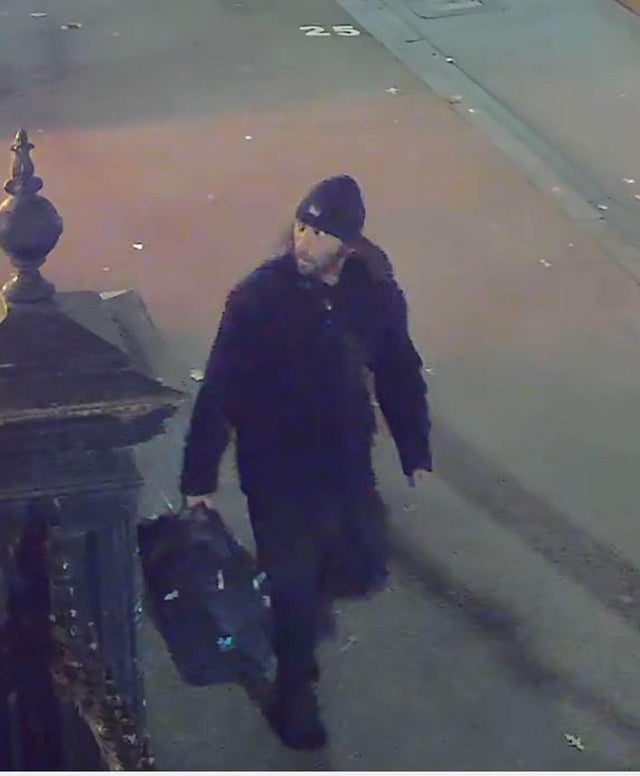
Australia has frozen the assets of two men it says carried out the 2024 firebombings of a Sydney kosher restaurant and a Melbourne synagogue on Iran's orders. The pair were named publicly for the first time on 27 November 2026.

Zohair Hassib is in Iran. Kazem Hamad is in an Iraqi prison. The designation makes it a crime to give either man money or assets, but it is not a charge, and neither will appear in an Australian court because of it.

Why it matters

Australia can sanction IRGC agents but cannot try them, and its own auditor says the sanctions system has produced no prosecutions.

Questions about this story

Free account needed to ask — your question is kept and asked for you right after sign-up. Answers are public.

No questions yet — be the first to ask.

Key Indicators

2
Individuals sanctioned
Zohair Hassib and Kazem Hamad, both named for the first time.
102
People and entities under Australia's counter-terrorism financing sanctions
Total after the two new listings, alongside 30 listed terrorist organisations and one state sponsor of terrorism.
$23.2M
Budget boost for the sanctions office
Allocated in the May budget after the department warned contraventions were occurring with impunity.
12
Sanctions matters referred to police since 2022
The audit office examined all of them.
0
Criminal prosecutions resulting from those referrals
The national audit office found none had been prosecuted.

Voices

Curated perspectives — historical figures and your fellow readers.

Sign up to generate historical perspectives on this story.

People Involved

Organizations Involved

Timeline

2024 November 2026

5 events Latest: Today
Tap a bar to jump to that date
  1. Hassib and Hamad sanctioned and named

    Today Sanctions

    Australia makes it a criminal offence to deal with the assets of either man.

  2. Audit finds sanctions enforcement failing

    Audit

    The national audit office reports no prosecutions from 12 police referrals since 2022.

  3. ASIO describes two Iran-linked operatives

    Intelligence

    The annual threat assessment details an IRGC agent and a recruited crime figure but withholds names.

  4. Australia blames Iran and expels its ambassador

    Diplomatic

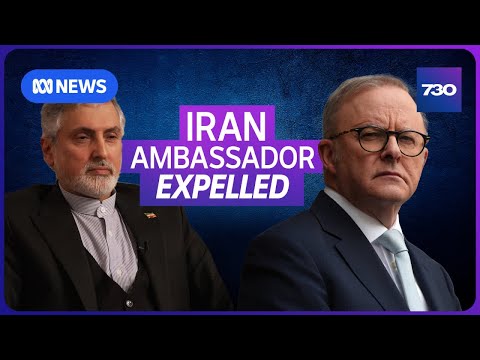
    Canberra expels Ambassador Ahmad Sadeghi and three diplomats, suspends its Tehran embassy and lists the IRGC.

  5. Kosher restaurant and synagogue firebombed

    Attack

    Fires strike the Lewis Continental Kitchen in Sydney and the Adass Israel Synagogue in Melbourne.

Scenarios

1

Hassib stays in Iran and is never charged

Likely Resolves by Nov 27, 2027

Discussed by: ABC News reporting that Hassib remains offshore in Iran; Australian sanctions practice of designating rather than prosecuting absentees

Iran does not extradite its own citizens and rejects the arson allegations. Hassib holds Australian citizenship, so police could file charges in his absence, but a trial would require him to enter a jurisdiction that can arrest him. The listing would then be the whole penalty.

2

Iraq transfers Hamad to Australia to face charges

Unlikely Resolves by Nov 27, 2027

Discussed by: Australian and Iraqi police cooperation described in the sanctions announcement

Hamad is in Iraqi custody on drug trafficking counts, and Australia has no extradition treaty covering him that officials have cited publicly. A transfer would need Iraqi legal approval and an Australian charging decision. Both countries have cooperated once already, which is the only reason this is plausible.

3

Australia adds more IRGC-linked names to the list

Possible Resolves by Nov 27, 2027

Discussed by: Penny Wong's statement that ASIO and police continue to investigate and disrupt

The government says investigations continue. The June threat assessment described a wider network including militia intermediaries in Iraq, and the foreign minister has signalled further disruption work. Additional designations need only ministerial approval, not a court.

4

DFAT overhauls sanctions enforcement after the audit

Possible Resolves by Q2 2027

Discussed by: The Australian National Audit Office and DFAT's acceptance of all six recommendations

The department told the auditor it is building a new case management system and a compliance and enforcement strategy, with extra funding behind it. Whether that produces prosecutions is a separate question from whether the systems get built.

Historical Context

3 moments from history that rhyme with this story — and how they unfolded.

December 1988

Pan Am Flight 103 over Lockerbie (1988)

A bomb destroyed Pan Am Flight 103 over Lockerbie, Scotland, killing 270 people. Investigators traced it to Libyan intelligence officers, and the United Nations imposed sanctions on Libya over its refusal to hand over two suspects.

Then

Libya surrendered the two men in 1999 for trial under Scottish law in the Netherlands.

Now

One, Abdelbaset al-Megrahi, was convicted in 2001; the other was acquitted. The trial happened only because Libya chose to cooperate.

Why this matters now

It shows the limit Australia now faces: naming and sanctioning state agents produces a courtroom only when the state they serve gives them up.

March 2018

Sergei Skripal poisoning in Salisbury (2018)

A former Russian military intelligence officer working for Britain and his daughter were poisoned with a nerve agent in Salisbury, England. A local woman, Dawn Sturgess, died months later. Britain charged two GRU officers who had already left the country.

Then

Britain and its allies expelled Russian diplomats, and the UK and EU created new sanctions powers aimed at chemical weapons and named the officers.

Now

Neither officer has faced trial. Designation and asset freezes became the standard response when suspects sit beyond reach.

Why this matters now

Australia is applying the same tool to the same problem: suspects in a country that will not send them.

July 1994

AMIA community centre bombing in Buenos Aires (1994)

A car bomb destroyed the Argentine Israelite Mutual Association building, killing 85 people. Argentine prosecutors accused Iran and Hezbollah of ordering the attack and sought international notices for several Iranian officials.

Then

Interpol issued red notices in 2007 for a group of Iranian officials, including a former minister and a former ambassador.

Now

No suspect has been tried. The case remains open, and the accused have never left Iran.

Why this matters now

The closest precedent for an antisemitic attack attributed to Iran, and for the gap between naming perpetrators and putting anyone in a dock.

Sources

(6)