

Pull to refresh
Logo
Trump lifts Russian diesel sanctions in deal with Putin

Trump lifts Russian diesel sanctions in deal with Putin

Rule Changes

Treasury license allows Russian diesel imports through April 2027 as U.S. prices hit $6.28 a gallon

Today: Trump announces diesel deal with Putin

Overview

Updated 1 hour ago

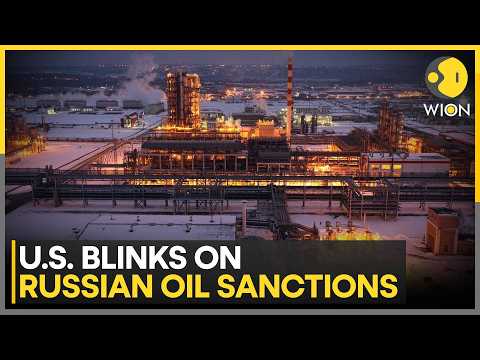
President Donald Trump announced Friday that Russia will supply more than 4 million tons of diesel to U.S. and global markets, starting with more than 300,000 tons immediately, and the Treasury Department immediately issued a license allowing Russian diesel imports through April 2027. The move reverses years of U.S. policy designed to deprive Moscow of energy revenue for its war in Ukraine.

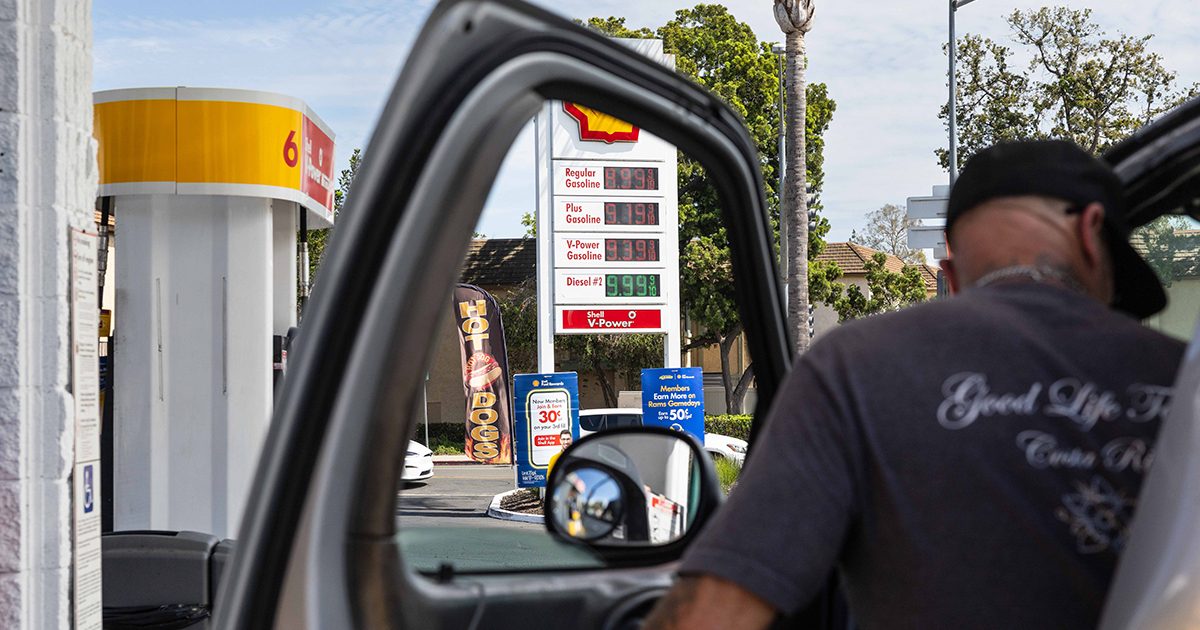
The deal comes as average U.S. diesel prices hit $6.28 a gallon, up 70% since the U.S.-Israel war with Iran began in February. Trump cast the agreement as relief for farmers, ranchers, and truckers ahead of the November 3 midterm elections, but critics say it hands Putin billions in war funding.

Why it matters

If the deal holds, diesel prices fall before the midterms. If it collapses, Russia keeps billions in war revenue for nothing.

Questions about this story

Free account needed to ask — your question is kept and asked for you right after sign-up. Answers are public.

No questions yet — be the first to ask.

Key Indicators

$6.28
Average U.S. diesel price per gallon
Up from $5.94 a month ago and $3.68 a year ago, per AAA.
4.8M tons
Total diesel Russia promised to supply
300,000 tons immediately, 500,000 in November, 1 million after, then 3 million more.
April 2027
Sanctions waiver expiration
Treasury general license allows Russian diesel imports through April 2027.
70%
Diesel price increase since Iran war began
Prices rose after the U.S.-Israel war with Iran started February 28.

Voices

Curated perspectives — historical figures and your fellow readers.

Ever wondered what historical figures would say about today's headlines?

Sign up to generate historical perspectives on this story.

People Involved

Organizations Involved

Timeline

October 2025 October 2026

5 events Latest: Today
Tap a bar to jump to that date
  1. Trump announces diesel deal with Putin

    Today Policy

    Trump said Russia will supply 300,000 tons of diesel immediately, 500,000 in November, and more after. Treasury issued a license allowing imports through April 2027.

  2. Russia bans diesel exports

    Policy

    Russia restricted diesel exports as Ukrainian attacks on refineries cut output by about 30%.

  3. U.S. and Israel launch war with Iran

    Conflict

    The war triggered a severe global fuel supply crunch, pushing diesel prices up 70%.

  4. U.S. imposes sanctions on Russian oil companies

    Policy

    The U.S. sanctioned Russian oil companies over Moscow's war in Ukraine, which began in 2022.

Scenarios

1

Deal delivers, diesel prices fall before midterms

Possible Resolves by Nov 3, 2026

Discussed by: Trump administration; oil market analysts at Wood Mackenzie

Russia ships the promised diesel volumes, easing the global supply crunch. Diesel futures already fell nearly 5% on the announcement. If prices drop meaningfully by November 3, Trump can claim a win for farmers and truckers heading into the midterms.

2

Russia fails to deliver, prices stay high

Likely Resolves by End of 2026

Discussed by: Rory Johnston of CommodityContext; Jim Mitchell of Wood Mackenzie

Analysts note the promised volumes are far below what Russia normally exports, and its refineries remain under Ukrainian attack. Johnston called the deal "a nothing burger," noting Russia usually exports far more diesel when its refineries are not damaged. If shipments stall, prices stay high and the political benefit evaporates.

3

Congress or courts block the license

Unlikely Resolves by Apr 7, 2027

Discussed by: Senator Don Bacon; Ukraine President Volodymyr Zelenskyy

Critics in Congress argue the deal contradicts the Lindsey O. Graham Sanctioning Russia and Iran Act, which directs the administration to target top importers of Russian oil. Bacon said the U.S. should "squeeze Putin's war machine, not reward a dictator." A legal challenge or congressional action could force the Treasury to revoke the license before April 2027.

Historical Context

2 moments from history that rhyme with this story — and how they unfolded.

October 1973 - March 1974

1973 Arab oil embargo

Arab members of OPEC cut oil exports to the U.S. and other allies of Israel during the Yom Kippur War. Global oil prices quadrupled, and the U.S. faced long lines at gas stations and rationing.

Then

Fuel prices spiked, the U.S. imposed speed limits and fuel allocation rules, and the economy entered a recession.

Now

The embargo reshaped U.S. energy policy, spurring the Strategic Petroleum Reserve, fuel economy standards, and the creation of the International Energy Agency.

Why this matters now

Like the 1973 embargo, the current diesel crisis shows how geopolitical conflict can weaponize energy supplies. But this time the U.S. is easing sanctions to buy fuel from an adversary rather than being cut off by one.

December 2022

2022 Russia oil price cap

The U.S., European Union, and G7 allies imposed a $60-per-barrel price cap on Russian crude, aiming to cut Moscow's revenue while keeping oil flowing. Russia initially threatened to halt exports but continued selling below the cap.

Then

Russian oil kept flowing to global markets, and Moscow's revenue fell but did not collapse.

Now

The price cap became a template for Western efforts to manage Russian energy revenue without triggering a supply shock.

Why this matters now

The 2022 price cap sought to reduce Russian revenue while maintaining supply. The 2026 diesel deal abandons that approach, lifting sanctions entirely to secure fuel, a direct reversal of the earlier strategy.

Sources

(10)