




Pull to refresh
Logo
Consio launches AI outbound calling for ecommerce brands

Consio launches AI outbound calling for ecommerce brands

New Capabilities

AI phone platform adds automated outbound campaigns for Shopify and Klaviyo audiences

Today: Consio launches AI outbound calling for ecommerce

Overview

Updated 44 minutes ago

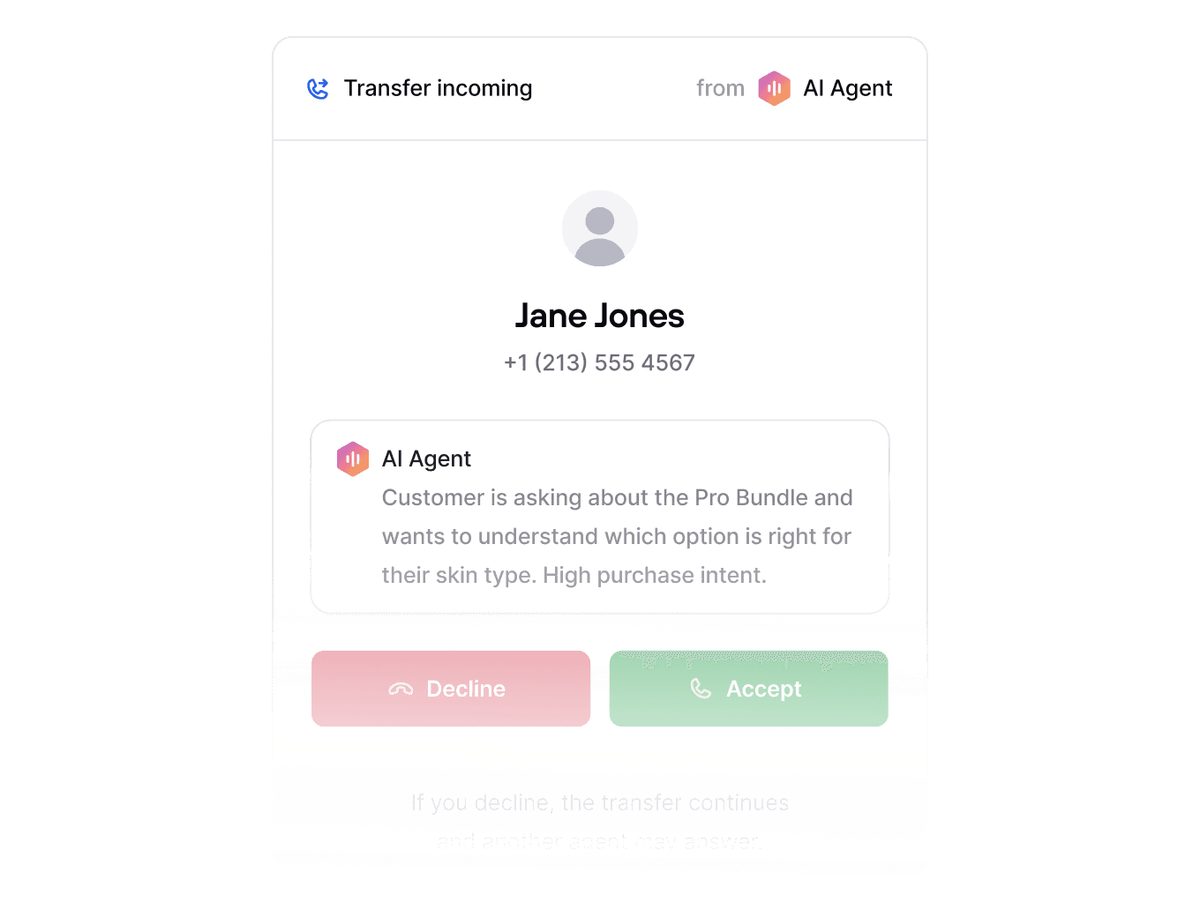
Consio now lets Shopify and Klaviyo merchants run outbound phone campaigns handled entirely by an AI voice agent. The agent places calls, reads each customer's cart and order history, answers product questions, builds orders, and texts a checkout link mid-call.

The launch closes a gap that kept phone sales out of reach for most online stores. Email and SMS were automated years ago; phone outreach still needed human reps, so it only made sense for high-value orders. Consio's agents change that cost math.

Why it matters

If AI outbound calls work at scale, phone becomes a programmable ecommerce channel, changing which brands can afford to call their customers.

Questions about this story

Free account needed to ask — your question is kept and asked for you right after sign-up. Answers are public.

No questions yet — be the first to ask.

Key Indicators

$3.3M
Seed funding raised by Consio
Led by RTP Global, with participation from SaaStr Fund, Mu Ventures, and Gorgias founders.
8
Outbound campaign use cases supported
From abandoned cart recovery to B2B leads, failed payments, VIP winbacks, and replenishment reminders.
24/7
Inbound AI agent availability
Consio's inbound agent covers round-the-clock calls; outbound campaigns run from the same platform.

Voices

Curated perspectives — historical figures and your fellow readers.

Ever wondered what historical figures would say about today's headlines?

Sign up to generate historical perspectives on this story.

People Involved

Organizations Involved

Timeline

January 2025 September 2026

2 events Latest: Today
  1. Consio launches AI outbound calling for ecommerce

    Today Product Launch

    The platform now lets merchants run fully automated outbound phone campaigns from Shopify and Klaviyo audiences, with AI agents building orders and texting checkout links mid-call.

  2. Consio launches as an AI phone platform for Shopify

    Product Launch

    Consio debuts with inbound AI agents answering calls 24/7 for Shopify merchants, plus a human power dialer.

Scenarios

1

AI outbound calling becomes a proven revenue channel for ecommerce

Likely Resolves by Q2 2027

Discussed by: Industry publications covering ecommerce AI tools, including SuperbCrew and Influx

Consio publishes case studies showing merchants recovering meaningful revenue from abandoned cart and replenishment calls handled by AI. The revenue-attribution layer turns phone into a measurable channel alongside email and SMS, and adoption spreads beyond high-AOV brands.

2

Major ecommerce platforms add native AI outbound calling

Possible Resolves by End of 2027

Discussed by: Industry analysts tracking the ecommerce helpdesk and marketing automation market

Shopify, Gorgias, Zendesk, or Klaviyo ship their own AI outbound calling products, validating the channel and competing with Consio. This would signal that phone automation is becoming a standard ecommerce feature rather than a specialist tool.

3

Consumer backlash and regulation limit AI outbound adoption

Uncertain Resolves by End of 2027

Discussed by: Consumer advocacy groups and telecom regulators

Answer rates stay low as consumers screen unknown callers, complaints about AI sales calls rise, and regulators move to restrict automated voice outreach under existing robocall rules. This would cap adoption regardless of how well the technology works.

Historical Context

3 moments from history that rhyme with this story — and how they unfolded.

1991–2010s

The robocall era and TCPA enforcement (1991–2010s)

Automated phone calls exploded in the 1990s and 2000s, prompting the Telephone Consumer Protection Act of 1991 and the Do Not Call registry in 2003. Later enforcement actions targeted illegal robocalling operations at scale.

Then

Unwanted automated calls drew heavy fines and consumer complaints, pushing many legitimate outbound operators toward consent-based calling.

Now

The regulatory framework still shapes how automated voice outreach works, with consent and disclosure requirements baked into the system.

Why this matters now

Consio's AI outbound calls could draw the same consumer complaints and regulatory attention if they come across as spam, making consent rules a key constraint on the channel's growth.

2000s

Email marketing automation (early 2000s)

Email marketing moved from manual blasts to automated, behavior-triggered campaigns as platforms like Mailchimp and later Klaviyo built tools that sent the right message based on what customers actually did. Revenue became attributable per subscriber and per flow.

Then

Email became the highest-ROI channel in ecommerce, with automated flows recovering abandoned carts and driving repeat purchases.

Now

Automation turned email from a manual chore into a programmatic channel every brand could afford, setting the template for SMS and now phone.

Why this matters now

Outbound phone sits at the same inflection point: human-dialed calls are becoming programmable campaigns with per-call revenue attribution.

2010s

SMS marketing automation for ecommerce (2010s)

Text message marketing grew from an afterthought to a standard ecommerce channel as platforms like Klaviyo and Attentive automated permission-based SMS flows. It worked because messages were short, measurable, and tied directly to purchase behavior.

Then

SMS became a core retention channel for online brands, with open rates far above email.

Now

Permission-based automated messaging set the standard for how new ecommerce channels earn consumer trust and prove ROI.

Why this matters now

Phone could follow SMS's path: if adoption holds and consent is handled well, outbound calls become a third automated engagement channel alongside email and text.

Sources

(10)