
Pull to refresh
Logo
Daily Brief
Following
Why Sign Up
Building critical minerals supply chains outside China

Building critical minerals supply chains outside China

Built World
By Newzino Staff |

Allied governments commit billions to break Beijing's grip on rare earths, gallium, and the processing that turns ore into hardware

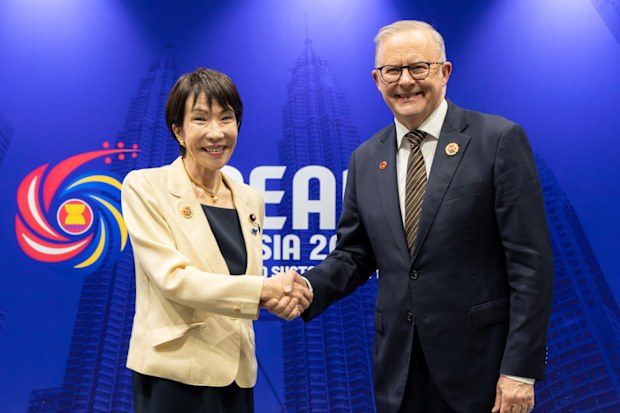
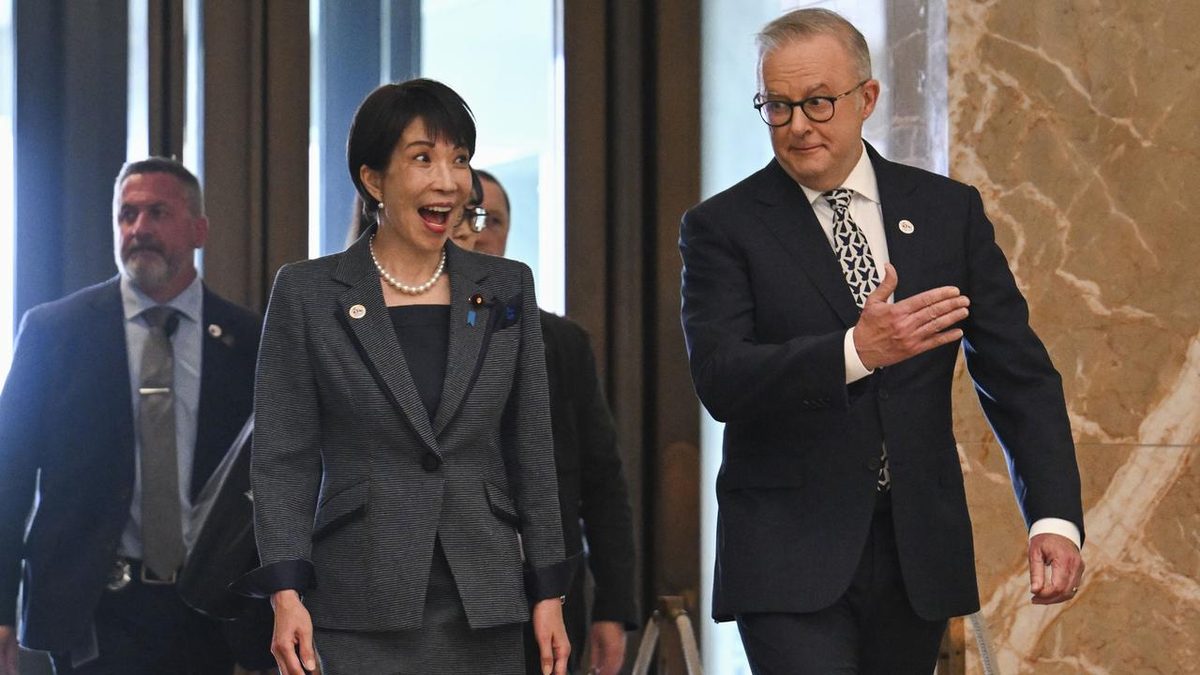
Today: Takaichi and Albanese sign critical-minerals, energy, and defense agreements

Overview

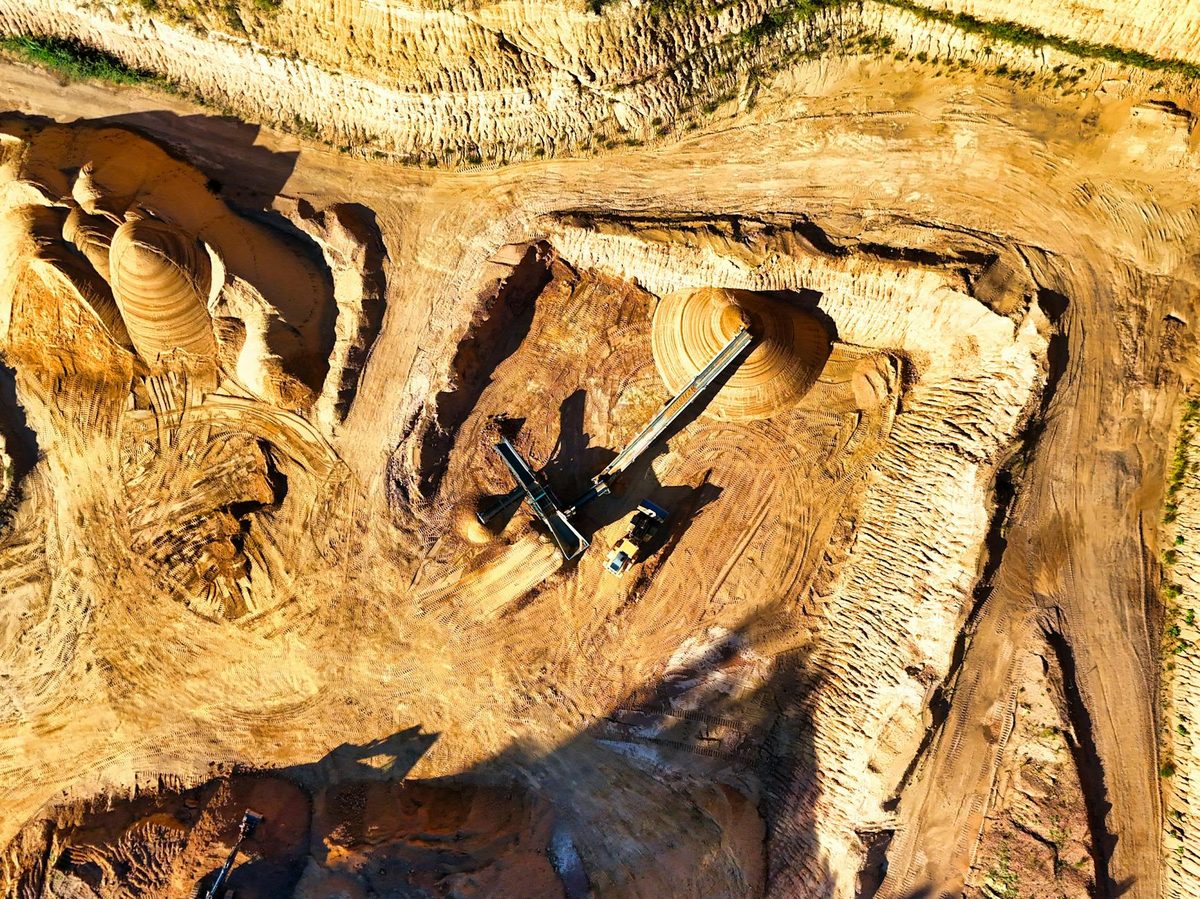
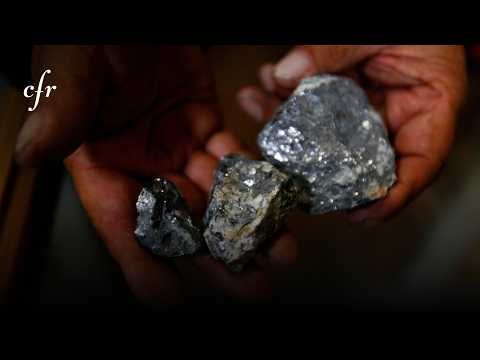
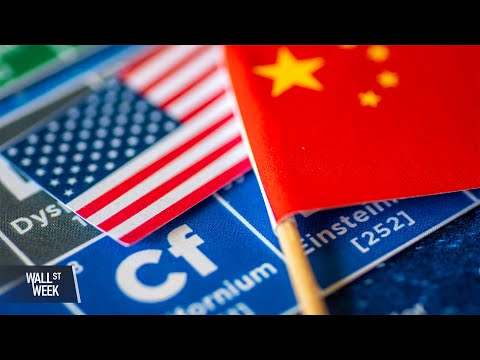
For more than two decades, China has refined nearly every rare earth element that goes into a smartphone, fighter jet, electric motor, or wind turbine. On May 4, Japanese Prime Minister Sanae Takaichi and Australian Prime Minister Anthony Albanese committed up to A$1.3 billion (about US$937 million) to mining and processing projects designed to give Japan a non-Chinese source for gallium, nickel, graphite, rare earths, and fluorite.

Why it matters

If allied supply chains hold, China loses a tool it has used to pressure Japan, the U.S., and Europe; if they fail, the next export ban hits harder than the last.

Key Indicators

A$1.3B
New Australian commitment
Funding for critical-mineral projects with Japanese involvement announced May 4, 2026.
~90%
China's share of rare earth processing
Beijing controls the midstream refining step where ore becomes usable material.
58%
Japan's remaining China dependency
Down from roughly 85% in 2009 after a 15-year diversification push.
5
Targeted minerals
Gallium, nickel, graphite, rare earths, and fluorite — all flagged in recent Chinese export controls.
Nov 2026
China suspension expires
Beijing paused several new export controls until late 2026 pending bilateral review.
A$10B
Companion warship deal
Japanese-designed frigates Australia ordered weeks before the minerals agreement.

Interactive

Exploring all sides of a story is often best achieved with Play.

Ever wondered what historical figures would say about today's headlines?

Sign up to generate historical perspectives on this story.

Sign Up

Debate Arena

Two rounds, two personas, one winner. You set the crossfire.

People Involved

Organizations Involved

Timeline

  1. Takaichi and Albanese sign critical-minerals, energy, and defense agreements

    Agreement

    Australia commits up to A$1.3 billion (US$937 million) to projects involving Japanese partners, targeting gallium, nickel, graphite, rare earths, and fluorite. Joint statement explicitly cites economic coercion.

  2. Australia signs A$10 billion deal for Japanese-designed frigates

    Defense

    Defense ministers contract for the first three of an eleven-ship fleet, anchoring the strategic side of the bilateral relationship.

  3. China suspends most new export controls until November 2026

    Trade restriction

    MOFCOM pauses Announcement 46 and related measures pending bilateral review, leaving the door open to reimposition.

  4. China announces new export controls on critical minerals

    Trade restriction

    MOFCOM Announcement 46 expands licensing requirements for rare earths, gallium, germanium, antimony, graphite, and superhard materials shipped to the U.S.

  5. Australia announces A$1.2 billion Critical Minerals Strategic Reserve

    Policy

    Albanese commits funding for offtake agreements and selective stockpiles, with antimony, gallium, and rare earths as the first focus.

  6. China imposes gallium and germanium export licensing

    Trade restriction

    Beijing requires export licenses for two semiconductor inputs, citing national security. Western buyers see prices spike and shipments slow.

  7. JOGMEC backs Lynas rare earth project in Australia

    Investment

    A loan and offtake deal helps stand up the first sizable rare earth supply outside China.

  8. Japan launches diversification program

    Policy

    Tokyo allocates roughly $1.2 billion to reduce rare earth dependency through investment, recycling, and substitution research.

  9. Senkaku trawler incident triggers China's first rare earth cutoff

    Trigger event

    After Japan detained a Chinese fishing captain near disputed islands, China halted rare earth exports to Japan. Tokyo's 90% dependency became a national-security problem overnight.

Scenarios

1

China lets November 2026 suspension expire and tightens controls

Discussed by: CSIS, Pillsbury Law trade analysts, Fastmarkets

If U.S.-China bilateral talks stall, MOFCOM reinstates the October 2025 measures and may add new minerals to the list. Allied projects funded under the Australia-Japan deal would be partially insulated, but most are years from production — so the immediate effect would be price spikes and shipment delays for Japanese, American, and European manufacturers using gallium, germanium, and heavy rare earths.

2

Allied supply chains reach meaningful scale by 2030

Discussed by: Brookings, Columbia Center on Global Energy Policy, Australian government

Japanese offtake commitments plus Australian government support get several mines and processing facilities to commercial production. Combined with U.S. and European efforts, non-China supply covers a meaningful share of allied demand for rare earths, gallium, and graphite. China retains dominance in heavy rare earths and most processing, but loses the ability to coerce through pure supply cuts.

3

Project economics fail without sustained subsidies and stockpiles stall

Discussed by: East Asia Forum, Rare Earth Exchanges analysts

Without enforceable price floors, China underprices new allied projects whenever it chooses, as it did to past Australian and U.S. rare earth ventures. The A$1.3 billion proves insufficient to bridge the gap, several projects fold, and Japan and Australia debate whether to add tariffs or guaranteed-price purchasing — a step both have so far avoided.

4

Quad-style minerals architecture formalizes with U.S. and India

Discussed by: Center for Strategic and International Studies, Lighthouse (Macquarie)

The bilateral framework expands into a four-country mechanism — coordinated stockpiles, shared offtake, and a common floor price for allied buyers. Indian processing capacity becomes the missing midstream link. The deal would mark the most concrete economic-security architecture in the Indo-Pacific outside the security alliances themselves.

Historical Context

China's rare earth cutoff to Japan (2010)

September-November 2010

What Happened

After Japan detained a Chinese fishing trawler captain near the disputed Senkaku/Diaoyu islands, China halted rare earth exports to Japan. At the time, Japan sourced roughly 90% of its rare earths from China — materials essential for hybrid car motors, hard drives, and precision electronics. Prices for some elements rose tenfold within months.

Outcome

Short Term

Japan released the captain within weeks. Tokyo also pushed an emergency $1.2 billion supplemental budget for diversification, recycling, and substitution research.

Long Term

Japan cut its Chinese rare earth dependency from about 85% in 2009 to roughly 58% by 2020. The cutoff also pushed allied governments to recognize critical minerals as a national-security category — the foundation of every program now in motion.

Why It's Relevant Today

The 2010 episode is the template. The current Australia-Japan deal is the same playbook — government money, foreign offtake, allied diversification — extended to a wider list of minerals and a wider list of importing countries.

U.S. CHIPS and Science Act (2022)

August 2022

What Happened

Washington committed roughly $52 billion in subsidies and tax credits to bring semiconductor manufacturing back to the U.S., after years of watching capacity concentrate in Taiwan and South Korea. The bill paired direct grants to chipmakers with export controls on advanced chip equipment to China.

Outcome

Short Term

TSMC, Intel, Samsung, and Micron announced major U.S. fab projects; first fabs broke ground but ran into labor and permitting delays.

Long Term

Still being judged. Early evidence suggests subsidies alone do not close cost gaps with established Asian suppliers without ongoing state support — a warning for any allied effort to replicate Chinese mineral processing.

Why It's Relevant Today

The CHIPS Act is the most recent test of whether industrial-policy money can actually relocate a strategic supply chain. The Australia-Japan minerals push faces the same core question: can subsidized Western projects compete on price with the dominant low-cost incumbent, or do they need permanent protection to survive?

Sources

(10)