

Pull to refresh
Logo
Tiny animals found living inside deep-sea mining nodules

Tiny animals found living inside deep-sea mining nodules

New Capabilities

Researchers opened 244 polymetallic nodules from the Pacific and found 4,139 animals in their cracks, many unlike anything in the surrounding sediment

Overview

Updated 1 hour ago

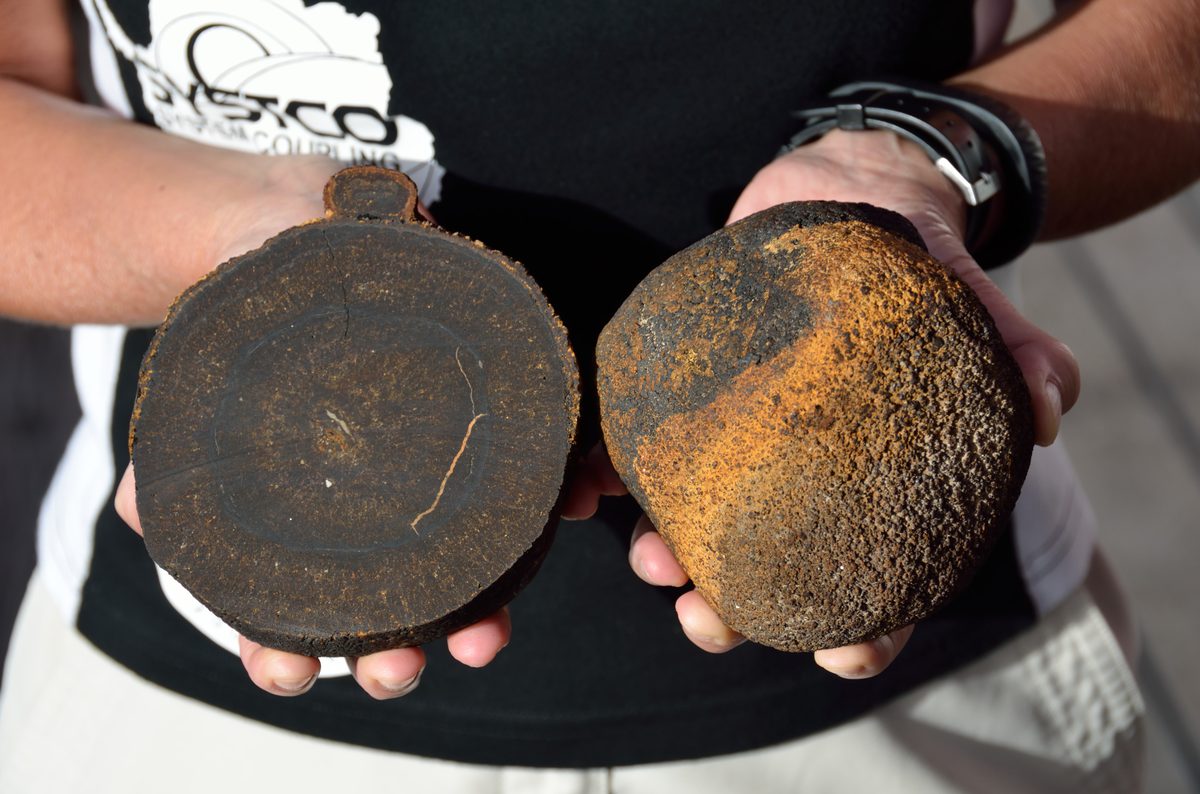
Researchers cut open 244 metal-rich rocks from the Pacific seafloor and found 4,139 small animals living inside the cracks. One nodule held 245 of them.

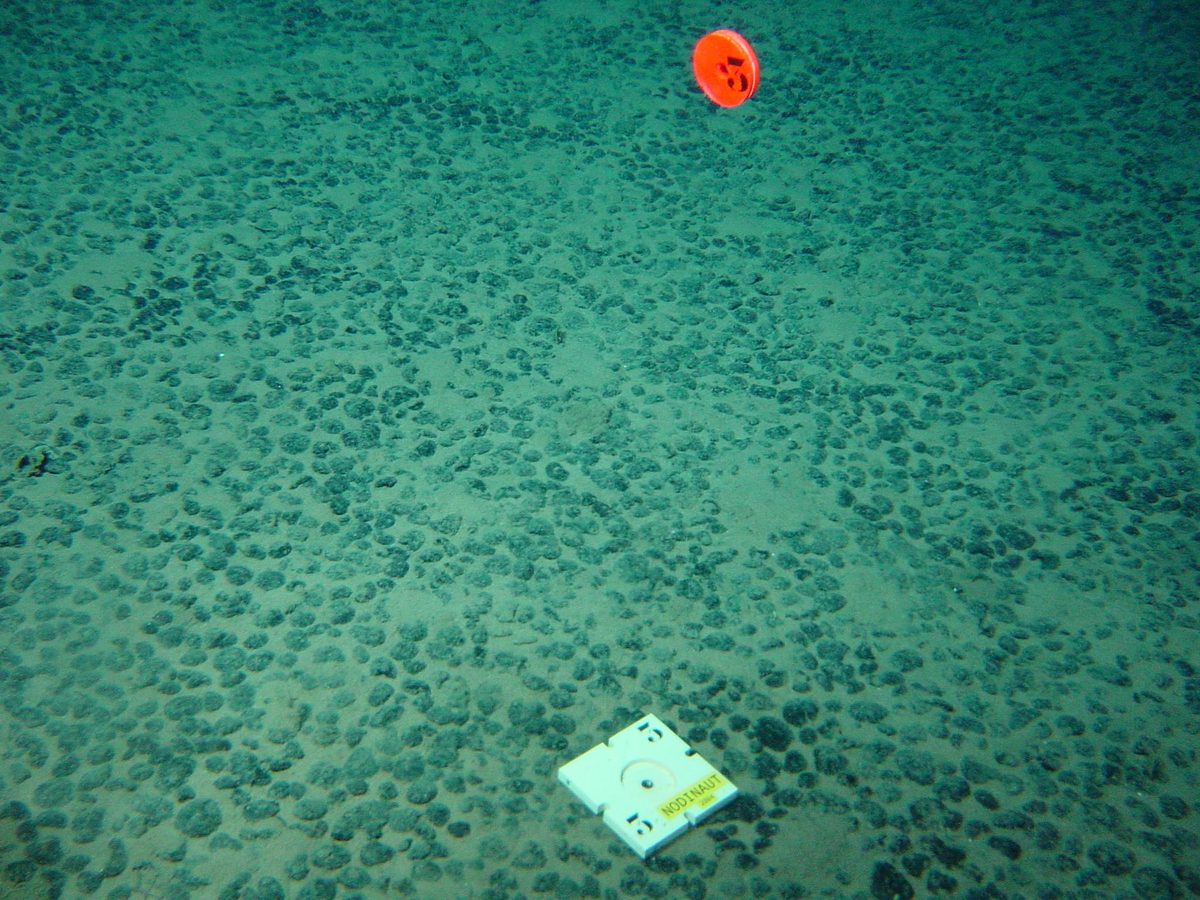
The animals are not the same ones that live in the mud around the rocks. The rocks, called polymetallic nodules, are also the target of a new deep-sea mining industry, and removing them would remove the habitat with them.

Why it matters

Mining would remove rocks that take millions of years to form, and no one yet knows which of these animals live anywhere else.

Questions about this story

Free account needed to ask — your question is kept and asked for you right after sign-up. Answers are public.

No questions yet — be the first to ask.

Key Indicators

4,139
Animals found inside the nodules
Total individuals extracted from 244 nodules collected in the Clarion-Clipperton Zone.
245
Animals in the most crowded nodule
The densest single nodule held 245 individuals, far above the average.
17
Average animals per nodule
Most nodules carried a small community; a few carried far more.
244
Nodules examined
Samples came from two exploration contract areas in the eastern Clarion-Clipperton Zone.
10%
Nematodes inside nodules vs. sediment
Roundworm numbers in nodule crevices reached about a tenth of the count in nearby mud.
25%
Copepods inside nodules vs. sediment
Tiny crustaceans inside the rocks reached about a quarter of the sediment count.
1,000 km
Distance across which communities matched
Nodule communities stayed similar across sites up to 1,000 kilometers apart, while differing from local sediment.

Voices

Curated perspectives — historical figures and your fellow readers.

Sign up to generate historical perspectives on this story.

People Involved

Organizations Involved

Timeline

2019 November 2026

3 events Latest: Today
  1. Study reports 4,139 animals inside 244 nodules

    Today Research

    The peer-reviewed paper describes nodule crevice communities and warns that mining could remove them permanently.

  2. Preprint quantifies nodule crevice animals

    Research

    A preprint reports that nodule crevices hold nematode and copepod communities distinct from nearby sediment.

  3. RV Sonne collects nodules in the Clarion-Clipperton Zone

    Research

    Scientists on the German research vessel collected nodules during a JPI Oceans Mining Impact II expedition.

Scenarios

1

ISA adopts a mining code that requires nodule-habitat surveys

Possible Resolves by End of 2027

Discussed by: Deep-sea ecologists including the study authors, who argue nodule life must enter environmental management

The ISA has been negotiating a commercial exploitation code for years without finishing it. If member states agree on rules that require contractors to survey the animals inside nodules, not just the sediment around them, this study becomes the baseline for those obligations. The trigger is a Council session that closes a text rather than extending debate.

2

A national regulator issues the first commercial nodule mining permit

Possible Resolves by Q2 2027

Discussed by: Scientific American, which reported that Washington has pushed to expand deep-sea mining while other governments call for pauses or bans

Because the ISA process is slow, individual states have moved on their own. A permit issued outside the ISA framework would let mining begin before any international rule addresses nodule crevice life. The trigger is a licensing decision by a national ocean agency naming a specific contract area and date.

3

Follow-up survey finds the nodule animals also live in open sediment

Uncertain Resolves by End of 2028

Discussed by: The study authors themselves, who say it is still unknown whether these species live elsewhere

The extinction risk hinges on whether the crevice communities are unique to nodules or also present in sediment. A later survey using the same genetic methods, sampling more sites, could find the same species in mud and lower the stakes. The reverse finding would raise them.

4

A moratorium bloc blocks commercial nodule mining at the ISA

Unlikely Resolves by End of 2027

Discussed by: France, which has called for a ban, and Palau and Fiji, which have called for a moratorium, per Scientific American

A group of states has argued for a pause rather than a code. If that bloc gains enough votes in the ISA's Council or Assembly, no commercial application proceeds and the nodule habitats stay undisturbed by default. The trigger is a formal vote or decision naming a pause.

Historical Context

3 moments from history that rhyme with this story — and how they unfolded.

February 1977

Hydrothermal vents discovered at the Galápagos Rift (1977)

Geologists in the submersible Alvin dove to a volcanic ridge near the Galápagos Islands expecting bare rock and hot water. They found dense clusters of tube worms, clams and shrimp living on chemicals rather than sunlight.

Then

The find overturned the assumption that the deep seafloor was nearly empty of life.

Now

Vent fields became a focus of deep-sea conservation, and scientists began treating unusual seafloor formations as habitats rather than geology.

Why this matters now

The nodule finding follows the same pattern: a formation valued for its minerals turns out to be a habitat, and the science arrives after exploration rights have already been handed out.

June 2021

Nauru triggers the ISA's two-year rule (2021)

The Pacific island state of Nauru, sponsoring a mining company's application, invoked a clause requiring the International Seabed Authority to finish its exploitation regulations within two years or consider applications under whatever rules existed.

Then

The deadline passed in July 2023 with no agreed code.

Now

The ISA has continued negotiating without a fixed end date, while national regulators and mining firms explore paths outside the process.

Why this matters now

It explains why a biodiversity study published in 2026 still lands in a policy vacuum: the rules that would govern nodule removal remain unwritten.

November 1994

The UN Convention on the Law of the Sea takes effect (1994)

The convention, which declares the seabed beyond national waters the common heritage of mankind, entered into force after a supplementary agreement softened its mining provisions. It created the International Seabed Authority to manage the resource.

Then

Seabed mining became an international licensing question rather than a free-for-all.

Now

Exploration contracts were issued across the Clarion-Clipperton Zone, including the two areas that supplied the nodules in this study.

Why this matters now

The legal framework that makes nodules mineable is the same one that could require protecting the animals inside them.

Sources

(6)