

Pull to refresh
Logo
Daily Brief
Following
Why Sign Up
Embecta acquires Owen Mumford to break beyond diabetes into obesity and autoimmune drug delivery

Embecta acquires Owen Mumford to break beyond diabetes into obesity and autoimmune drug delivery

Money Moves
By Newzino Staff |

The former Becton Dickinson unit pays up to £150 million for a 74-year-old British device maker and its next-generation auto-injector platform

Today: Embecta announces Owen Mumford acquisition for up to £150 million

Overview

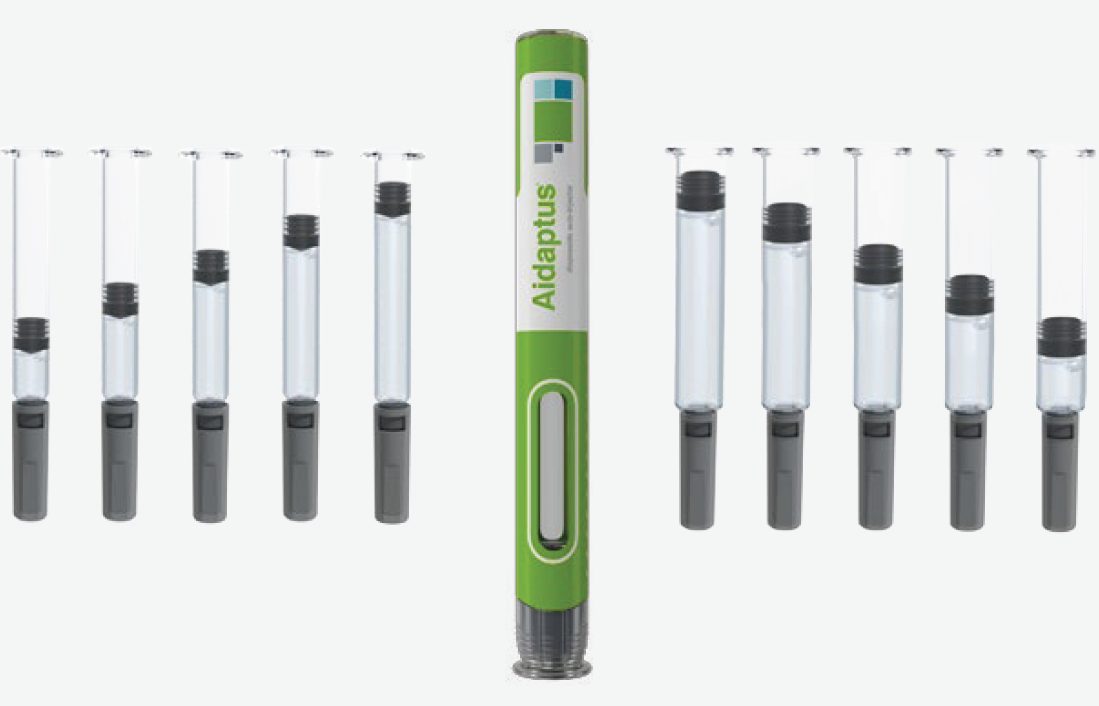
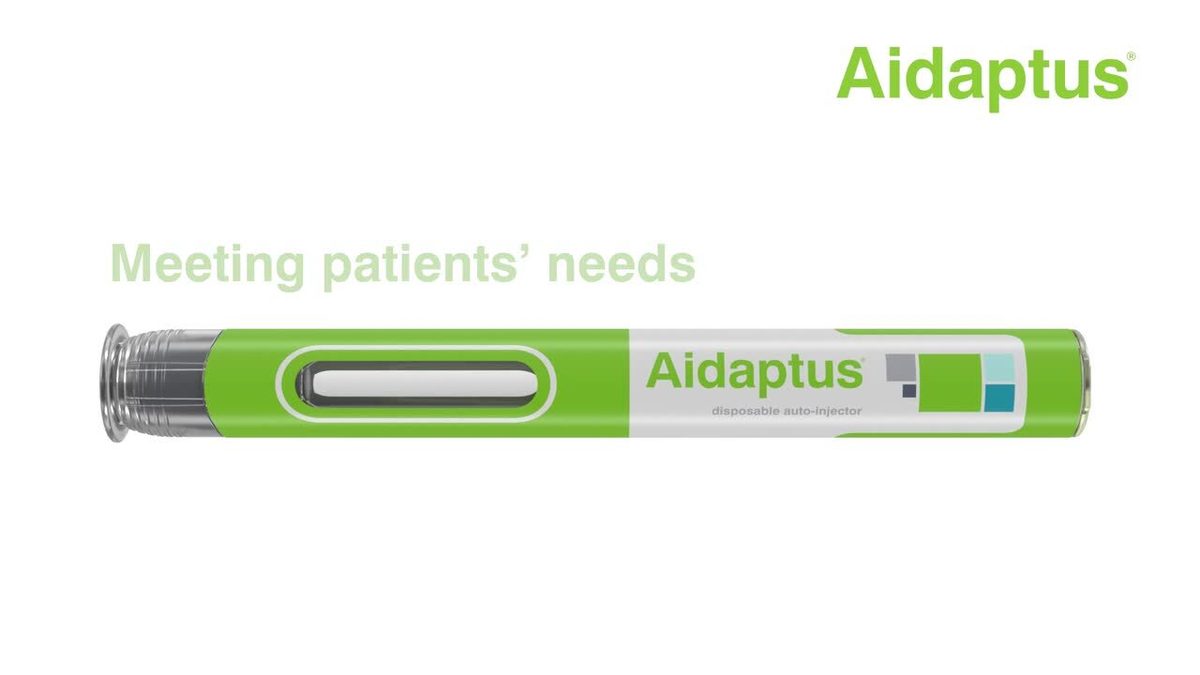
Embecta, a diabetes injection device company that Becton Dickinson spun off in 2022, announced its first major acquisition: Owen Mumford, a 74-year-old British medical device maker, for up to £150 million. The deal gives Embecta access to Owen Mumford's Aidaptus auto-injector platform and pivots the company from making insulin syringes into the booming market for injectable drug delivery devices used in obesity treatments, autoimmune therapies, and emergency anaphylaxis care.

Key Indicators

£150M
Maximum deal value
£100 million upfront plus up to £50 million in performance-based payments tied to Aidaptus auto-injector sales
£69.4M
Owen Mumford 2025 revenue
Roughly 80% of revenue comes from the United Kingdom and the United States
~82%
Embecta stock decline since spinoff
Shares fell from a post-spinoff high of $48.96 to roughly $8.79 before the deal announcement
$32B
Projected auto-injector market by 2033
Up from $9.6 billion in 2024, driven by GLP-1 obesity drugs and autoimmune therapies
8B
Injection devices Embecta manufactures annually
Serving an estimated 30 million diabetes patients worldwide

Interactive

Exploring all sides of a story is often best achieved with Play.

Ever wondered what historical figures would say about today's headlines?

Sign up to generate historical perspectives on this story.

Sign Up

Debate Arena

Two rounds, two personas, one winner. You set the crossfire.

People Involved

Organizations Involved

Timeline

  1. Embecta announces Owen Mumford acquisition for up to £150 million

    Acquisition

    Embecta agrees to acquire Owen Mumford for £100 million upfront plus up to £50 million in earnout payments tied to Aidaptus auto-injector sales. The deal marks Embecta's first major acquisition since its spinoff.

  2. Embecta stock hits 52-week low

    Market

    Embecta shares close at $8.72, their lowest level in a year, reflecting persistent investor skepticism about growth prospects.

  3. Embecta outlines three-phase transformation at Analyst Day

    Strategy

    Embecta presents its roadmap to evolve from a diabetes-focused injection device maker into a broad-based medical supplies company by 2028, signaling plans for acquisitions.

  4. Owen Mumford and Stevanato sign Aidaptus manufacturing deal

    Partnership

    Stevanato Group becomes the exclusive manufacturing partner for Owen Mumford's next-generation Aidaptus auto-injector platform.

  5. Embecta spins off from Becton Dickinson

    Corporate

    BD completes the spinoff of its diabetes care business as Embecta Corp., which begins trading on NASDAQ. BD retains no ownership stake.

  6. Owen Mumford founded in Oxfordshire

    Origin

    Ivan Owen and John Mumford establish the medical device company that would go on to pioneer the plastic auto-injector.

  7. BD develops the first specialized insulin syringe

    Origin

    Becton Dickinson creates the first syringe designed specifically for insulin injection, establishing the diabetes care business that would eventually become Embecta.

Scenarios

1

Aidaptus wins GLP-1 device contracts, Embecta stock re-rates

Discussed by: BTIG analysts (Marie Thibault, Sam Eiber, Alexandra Pang), who maintain a Buy rating and $25 price target

Owen Mumford's Aidaptus platform secures supply agreements with one or more pharmaceutical companies producing GLP-1 obesity drugs or autoimmune biologics. The auto-injector market's projected growth to $32 billion by 2033 provides the tailwind, and Embecta's existing high-volume manufacturing expertise accelerates production scale-up. Revenue growth materializes by fiscal 2027, earnout milestones are met, and the stock recovers significantly from current levels. This scenario hinges on Aidaptus proving competitive against established platforms from SHL Medical and Ypsomed.

2

Integration stalls, Aidaptus fails to gain commercial traction

Discussed by: Implied by consensus analyst Hold rating and the stock's steep decline, reflecting skepticism about Embecta's execution capability

Integrating a 74-year-old family-founded British company with a newly independent American spinoff proves operationally challenging. The Aidaptus platform faces delays reaching pharmaceutical customers or loses competitive bids to entrenched players like SHL Medical and Ypsomed, which already have deep relationships with major drug makers. The £50 million earnout goes largely unpaid, and Embecta is left with a moderately profitable but non-transformative asset. The stock continues to languish.

3

Owen Mumford deal becomes template for further acquisitions

Discussed by: Embecta management at its 2025 Analyst Day, which outlined plans for a multi-step portfolio expansion through 2028

The Owen Mumford acquisition succeeds and emboldens Embecta to pursue additional bolt-on deals in adjacent medical device categories such as wearable drug delivery pumps, connected injection devices, or respiratory care. By 2028, the company has transformed into the broad-based medical supplies platform it envisioned, with diabetes injection devices representing a shrinking share of total revenue. This scenario depends on both successful Owen Mumford integration and Embecta generating enough financial flexibility for further deals.

4

Embecta itself becomes an acquisition target

Discussed by: Market observers noting Embecta's depressed valuation and the broader surge in medtech mergers and acquisitions, which hit $97.6 billion in 2025

Embecta's low market capitalization combined with its new auto-injector capabilities and manufacturing scale makes it an attractive target for a larger medical device company looking to enter the drug delivery market. A strategic acquirer like BD, Abbott, or a large pharmaceutical company seeking vertical integration in device manufacturing could offer a significant premium to current trading levels. The Owen Mumford deal may have inadvertently made Embecta more attractive by filling a portfolio gap.

Historical Context

Viatris formation from Mylan-Upjohn merger (2020)

November 2020

What Happened

Pfizer spun off its off-patent branded drug unit Upjohn and merged it with generic drug maker Mylan to create Viatris, a new company that needed to prove it could grow as an independent entity. Viatris started with roughly $17 billion in annual revenue but faced investor skepticism about whether combining two mature, slow-growth businesses would create value.

Outcome

Short Term

Viatris stock declined significantly in its first two years as an independent company, dropping from around $18 at launch to under $10, as investors questioned the growth thesis.

Long Term

Viatris eventually pursued acquisitions and portfolio reshaping to find growth, mirroring the challenge facing any newly independent company carved out of a larger parent.

Why It's Relevant Today

Embecta faces a nearly identical challenge: a mature business separated from a large parent, with a declining stock price and a strategy that depends on acquisitions to transform from a single-product company into a diversified platform. The Owen Mumford deal is Embecta's first test of whether M&A can reverse the post-spinoff trajectory.

Amgen acquires Horizon Therapeutics (2023)

October 2023

What Happened

Amgen completed its $28.3 billion acquisition of Horizon Therapeutics, an Ireland-based rare disease company, after the Federal Trade Commission initially tried to block the deal. It was the largest pharmaceutical acquisition of 2023 and demonstrated the industry's appetite for bolt-on deals that expand therapeutic reach into adjacent markets.

Outcome

Short Term

The FTC's attempt to block the deal failed, and Amgen integrated Horizon's rare disease portfolio, adding new growth engines beyond its legacy biologics business.

Long Term

The deal established a precedent for large healthcare companies using acquisition to diversify beyond their core markets, particularly as flagship products face patent cliffs.

Why It's Relevant Today

While vastly different in scale, the Embecta-Owen Mumford deal follows the same strategic logic: using acquisition to leap from a concentrated market position into adjacent therapeutic areas rather than trying to build new capabilities organically.

SHL Medical's manufacturing expansion in South Carolina (2025)

April 2025

What Happened

Swiss auto-injector manufacturer SHL Medical opened a $220 million manufacturing facility in Bishopville, South Carolina, its largest investment in North American capacity. The expansion was driven by surging demand for injectable drug delivery devices, particularly for GLP-1 obesity treatments and autoimmune biologics.

Outcome

Short Term

SHL Medical significantly increased its North American production capacity, strengthening its position as the market leader in auto-injectors.

Long Term

The investment signaled that the auto-injector market's projected growth to $32 billion by 2033 is driving major capital commitments, intensifying competition for pharmaceutical supply contracts.

Why It's Relevant Today

Embecta is entering a market where competitors are making massive bets. SHL Medical's $220 million factory investment dwarfs Embecta's $200 million Owen Mumford acquisition, highlighting both the opportunity and the competitive challenge Embecta faces in establishing its auto-injector business.

Sources

(7)