
Pull to refresh
Logo
ESA's Juice spacecraft uses Earth's gravity to slingshot toward Jupiter

ESA's Juice spacecraft uses Earth's gravity to slingshot toward Jupiter

New Capabilities

The September 2026 flyby added 3.5 km/s and deflected the spacecraft 20 degrees toward Jupiter

September 28th, 2026: Earth flyby reshapes path to Jupiter

Overview

Updated Yesterday

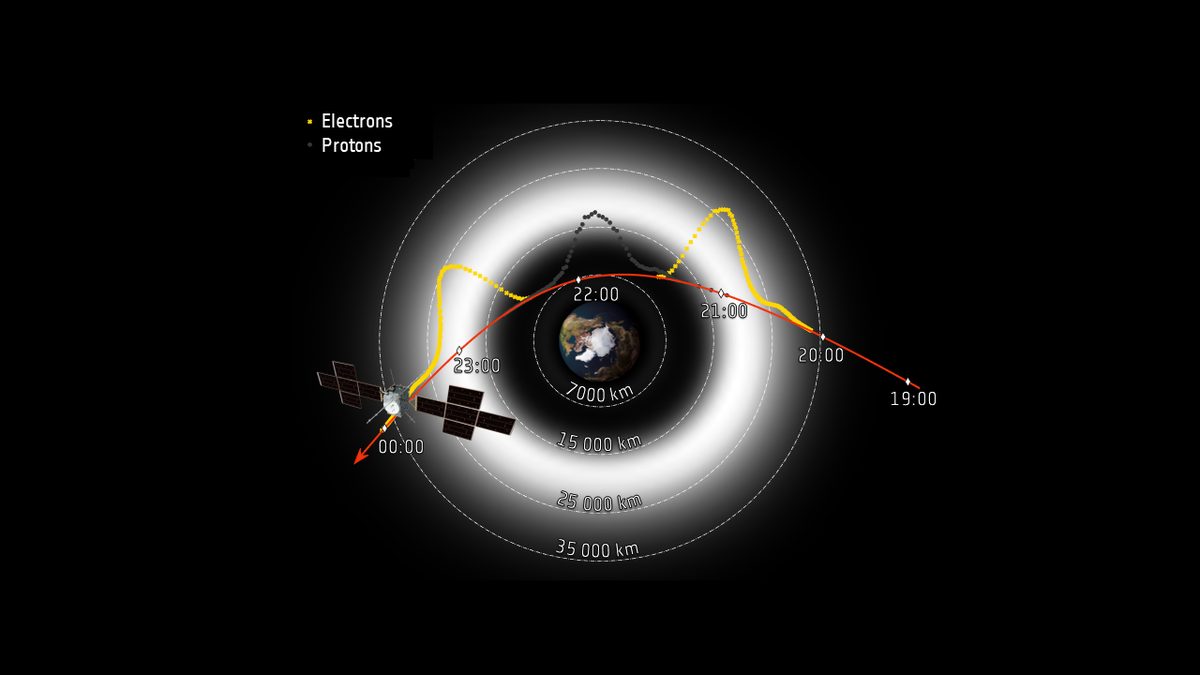
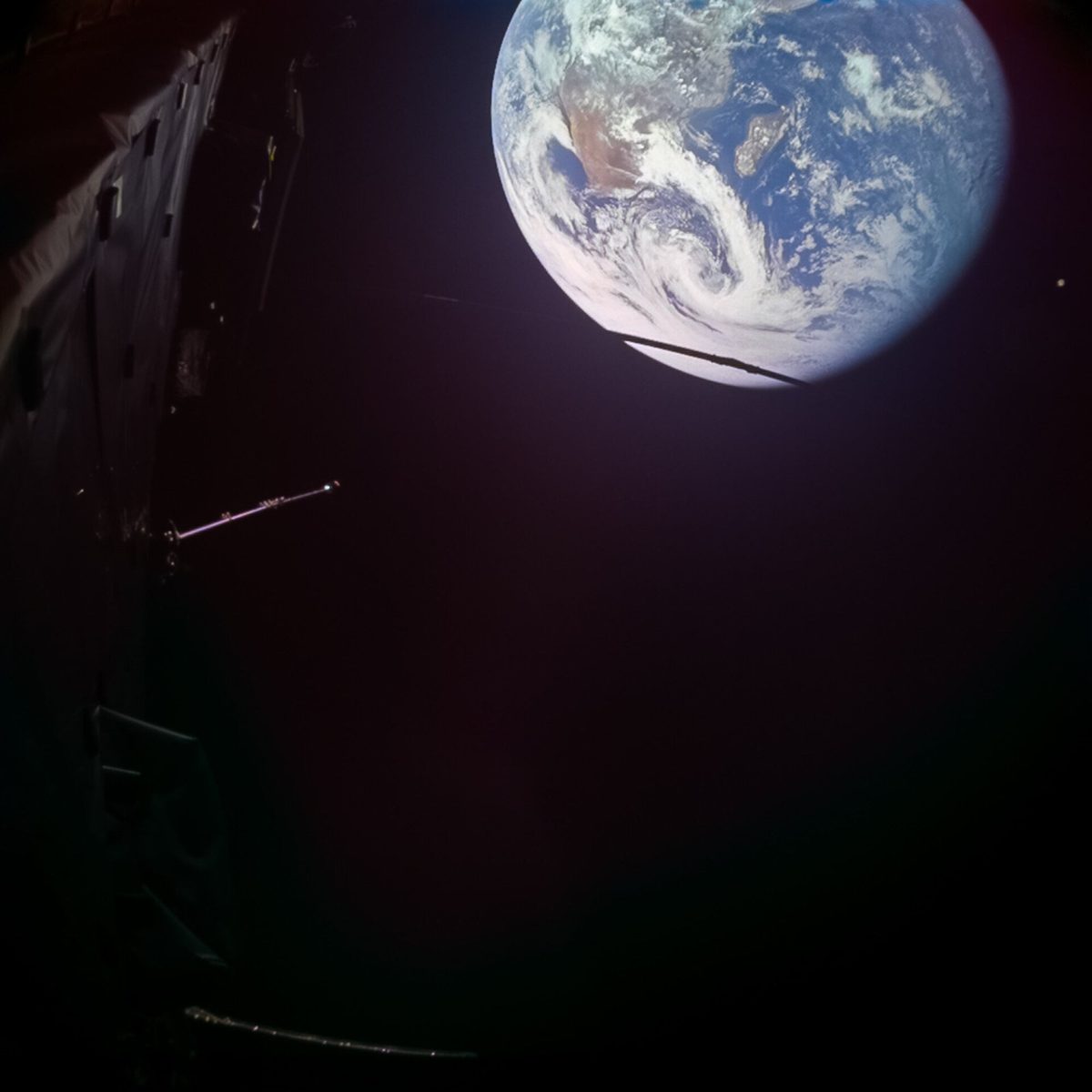
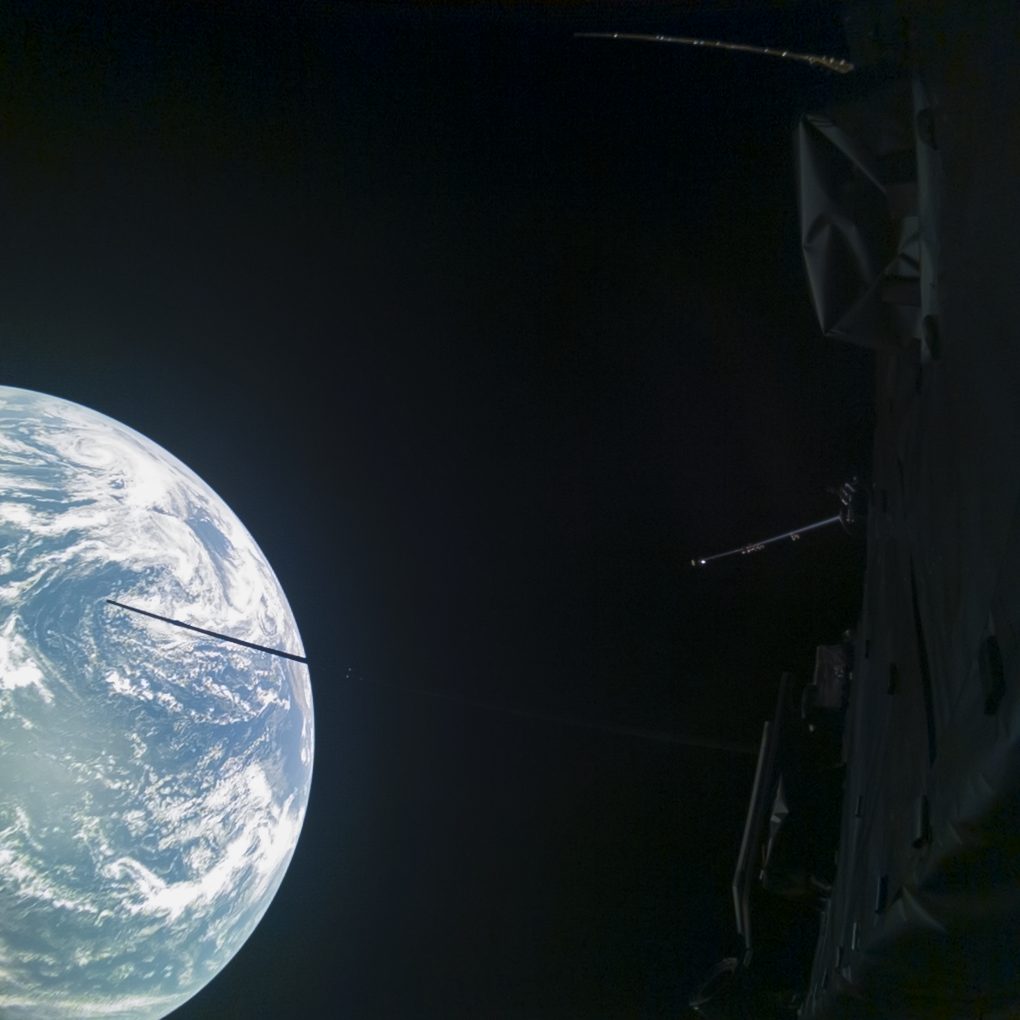
ESA's Juice spacecraft skimmed 8,640 kilometers above the Indian Ocean on September 28, using Earth's gravity to bend its path toward Jupiter. The flyby added 3.5 km/s to its speed and deflected its trajectory by 20 degrees, with only one small course correction needed in the weeks before.

The maneuver is one of several gravity assists Juice needs to reach Jupiter by 2031 without a rocket large enough to carry the fuel for a direct trip. It also gave scientists a rare chance to calibrate the spacecraft's 10 instruments against a known planetary target before the real work begins at Jupiter's icy moons.

Why it matters

If Juice reaches Jupiter, it will be the first spacecraft to orbit Ganymede, the solar system's largest moon, and probe its subsurface ocean.

Questions about this story

Free account needed to ask — your question is kept and asked for you right after sign-up. Answers are public.

No questions yet — be the first to ask.

Key Indicators

3.5 km/s
Speed increase from Earth flyby
The gravity assist added 3.5 km/s to Juice's velocity relative to the Sun.
20°
Trajectory deflection
Earth's gravity bent Juice's path by 20 degrees toward Jupiter.
8,640 km
Closest approach altitude
Juice passed 8,640 km above the Indian Ocean, at the edge of Earth's atmosphere.
1 of 6
Course corrections used
Mission controllers needed only one small trajectory correction out of six planned opportunities.

Voices

Curated perspectives — historical figures and your fellow readers.

Ever wondered what historical figures would say about today's headlines?

Sign up to generate historical perspectives on this story.

People Involved

Organizations Involved

Timeline

April 2023 2034

7 events Latest: September 28th, 2026 · 1 week ago
Tap a bar to jump to that date
  1. Ganymede orbit insertion

    Upcoming Milestone

    Juice will become the first spacecraft to orbit Ganymede, Jupiter's largest moon.

  2. Jupiter arrival

    Upcoming Milestone

    Juice is scheduled to enter orbit around Jupiter.

  3. Third Earth flyby planned

    Upcoming Maneuver

    Juice will make its final Earth flyby to set its trajectory for Jupiter arrival.

  4. Earth flyby reshapes path to Jupiter

    Latest Maneuver

    Juice passed 8,640 km above the Indian Ocean, gaining 3.5 km/s and deflecting 20 degrees toward Jupiter.

  5. Comet 3I/ATLAS observations

    Science

    Juice observed Comet 3I/ATLAS, its second opportunity to test instruments on a real target.

  6. Lunar-Earth gravity assist

    Maneuver

    Juice completed its first lunar-Earth flyby, testing instruments and gaining speed.

  7. Juice launches from French Guiana

    Launch

    ESA launched the Jupiter Icy Moons Explorer on an Ariane 5 rocket from Kourou, French Guiana.

Scenarios

1

Juice enters Jupiter orbit in July 2031

Likely Resolves by Jul 31, 2031

Discussed by: ESA mission planners

If the remaining gravity assists go as planned, Juice will arrive at Jupiter in July 2031 and begin its study of the icy moons. The September 2026 flyby conserved propellant, giving the mission more fuel for observations at Jupiter.

2

Final Earth flyby in January 2029 succeeds

Likely Resolves by Jan 31, 2029

Discussed by: ESA flight dynamics team

Juice will return to Earth in January 2029 for its third and final flyby, which will put it on the final trajectory to Jupiter. The September 2026 flyby demonstrated the navigation team can execute these maneuvers with minimal fuel use.

3

Flyby science data published

Likely Resolves by End of 2026

Discussed by: ESA instrument teams

ESA says it expects to publish images and spectra from the flyby in the weeks after the encounter, including high-resolution images from the JANUS camera. The data will show how well the instruments perform on a real planetary target.

Historical Context

3 moments from history that rhyme with this story — and how they unfolded.

October 1989 - September 2003

Galileo mission (1989-2003)

NASA's Galileo spacecraft launched in 1989 and used a Venus-Earth-Earth gravity assist sequence to reach Jupiter in 1995. It was the first spacecraft to orbit Jupiter, studying the planet and its moons for eight years.

Then

Galileo discovered strong evidence for subsurface oceans on Europa, Ganymede, and Callisto.

Now

Its findings made the icy moons a priority target for future exploration, directly motivating the Juice mission.

Why this matters now

Galileo used the same gravity assist technique to reach the same destination, and its discoveries set the science case for Juice.

October 1997 - September 2017

Cassini-Huygens (1997-2017)

NASA's Cassini spacecraft used gravity assists from Venus, Earth, and Jupiter to reach Saturn in 2004. It spent 13 years studying the Saturn system before being deliberately plunged into the planet.

Then

Cassini reached Saturn with enough fuel for a full 13-year mission.

Now

It demonstrated that multi-year gravity assist trajectories can deliver a spacecraft to the outer solar system with fuel to spare.

Why this matters now

Cassini shows the payoff of the gravity assist strategy Juice is using: arriving at the destination with enough propellant for a full science mission.

August 1977 - present

Voyager program (1977-present)

NASA's Voyager 1 and 2 launched in 1977, taking advantage of a rare planetary alignment to use gravity assists at Jupiter, Saturn, Uranus, and Neptune. Voyager 2 remains the only spacecraft to visit Uranus and Neptune.

Then

The gravity assists let two small spacecraft visit four planets in 12 years.

Now

Voyager 2 became the first spacecraft to reach interstellar space, still transmitting data nearly 50 years after launch.

Why this matters now

Voyager proved gravity assist is the standard way to reach the outer solar system without enormous rockets.

Sources

(9)