
Pull to refresh
Logo
Daily Brief
Following
Why
Munich Security Conference 2026

Munich Security Conference 2026

Force in Play
By Newzino Staff |

NATO Allies Coordinate Arctic Response as Transatlantic Tensions Mount

6 days ago: Munich Security Conference Concludes

Overview

For six decades, the Munich Security Conference has served as the West's annual gathering to coordinate defense policy. This year's 62nd conference concluded on February 15, 2026, with NATO allies announcing concrete military commitments—including Britain's Operation Firecrest carrier deployment to the Arctic—while navigating strained relations with Washington and preparing for President Trump's April visit to China.

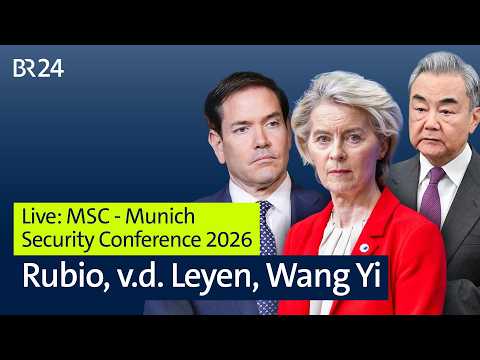
The conference unfolded under what organizers called an era of 'wrecking-ball politics,' with European leaders asserting greater defense independence. Germany's Chancellor Friedrich Merz warned that the postwar order 'no longer exists,' France's President Emmanuel Macron called for Europe to become 'a geopolitical power in its own right,' and Ukrainian President Volodymyr Zelenskyy pressed for a 2027 European Union accession date. Meanwhile, Secretary of State Marco Rubio held separate meetings with China's Foreign Minister Wang Yi and Syria's Foreign Minister Asaad al-Shaibani, signaling Washington's diplomatic priorities.

Key Indicators

5%
NATO defense spending target by 2035
At the 2025 Hague Summit, allies committed to spending 5% of GDP on defense annually by 2035, up from the previous 2% target.
65,000
Russian casualties in two months
NATO Secretary General Mark Rutte reported Russia suffered approximately 65,000 soldier casualties over the preceding two months in Ukraine.
72
Aircraft capacity of HMS Prince of Wales
Britain's largest warship, leading Operation Firecrest to the Arctic, can carry up to 72 aircraft including 36 F-35B stealth fighters.
2027
Ukraine's EU accession target
President Zelenskyy stated Ukraine 'needs a date' for European Union membership and aims to be ready to join by 2027.

Interactive

Exploring all sides of a story is often best achieved with Play.

Ever wondered what historical figures would say about today's headlines?

Sign up to generate historical perspectives on this story.

Sign Up

Debate Arena

Two rounds, two personas, one winner. You set the crossfire.

People Involved

Keir Starmer
Keir Starmer
Prime Minister of the United Kingdom (Announced Operation Firecrest at Munich)
Marco Rubio
Marco Rubio
United States Secretary of State (Led US diplomatic engagement at Munich)
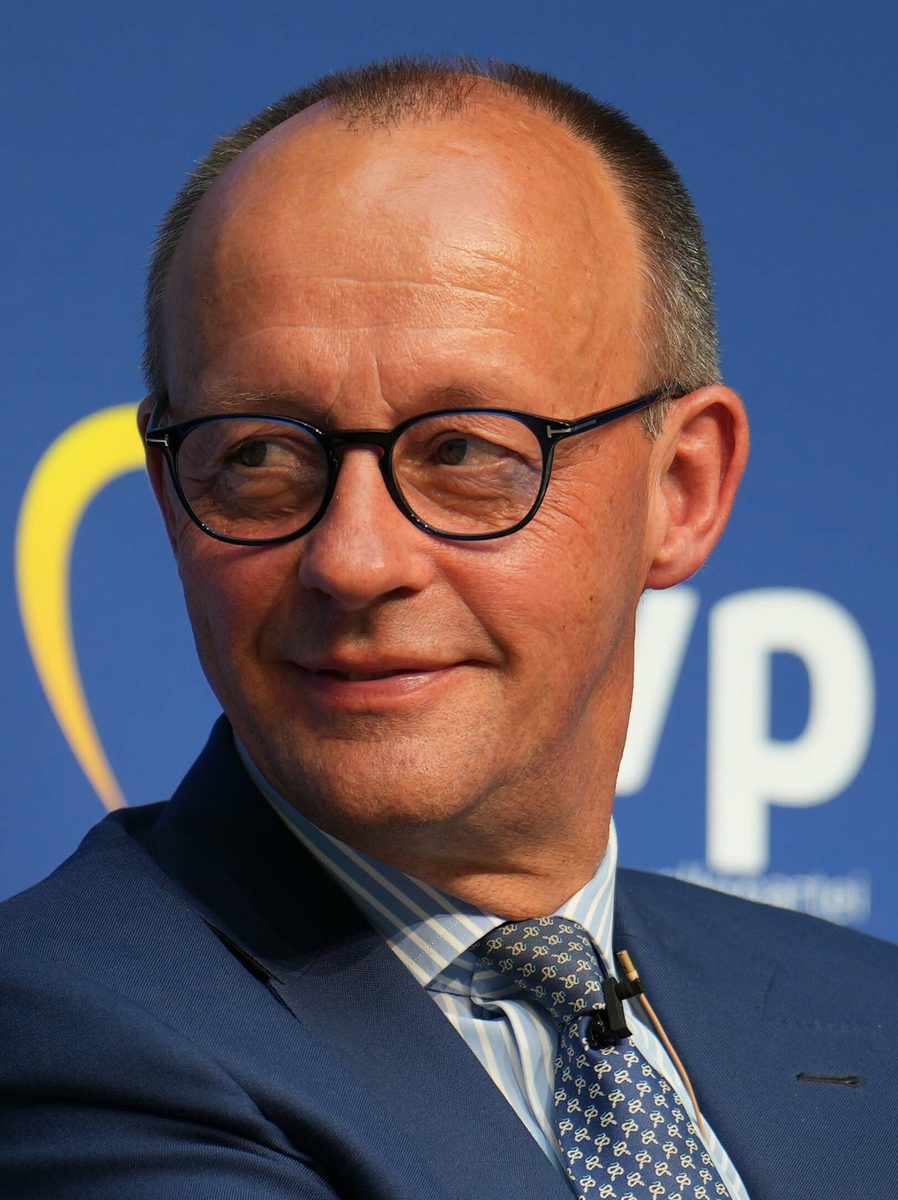
Friedrich Merz
Friedrich Merz
Chancellor of Germany (Delivered opening keynote at Munich)
Emmanuel Macron
Emmanuel Macron
President of France (Called for European strategic autonomy at Munich)
Volodymyr Zelenskyy
Volodymyr Zelenskyy
President of Ukraine (Pressed for EU accession timeline at Munich)
Mark Rutte
Mark Rutte
NATO Secretary General (Led alliance coordination at Munich)
Wang Yi
Wang Yi
Foreign Minister of China (Met Rubio to prepare Trump's April China visit)
Asaad al-Shaibani
Asaad al-Shaibani
Foreign Minister of Syria (Discussed northeast Syria ceasefire with Rubio)

Organizations Involved

North Atlantic Treaty Organization (NATO)
Military alliance
Status: Coordinating enhanced Arctic presence and European defense burden-sharing

The 32-member military alliance launched Arctic Sentry on February 11, 2026, and agreed to a 5% GDP defense spending target by 2035.

Munich Security Conference
Annual Security Forum
Status: Concluded 62nd edition on February 15, 2026

The world's premier forum for international security policy, held annually in February at Munich's Hotel Bayerischer Hof.

Royal Navy
Royal Navy
Military Branch
Status: Preparing Operation Firecrest deployment to North Atlantic and Arctic

Britain's senior armed service, deploying its carrier strike group led by the 65,000-tonne HMS Prince of Wales to the Arctic in 2026.

Timeline

  1. Munich Security Conference Concludes

    Conference

    The 62nd Munich Security Conference concluded with European allies asserting greater defense independence and coordinating responses to Arctic security, Ukraine, and transatlantic tensions.

  2. Rubio Reassures Allies in Munich Keynote

    Speech

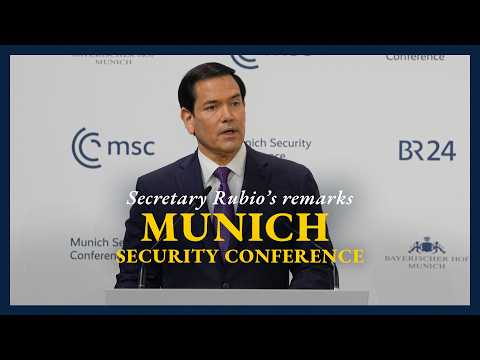
    Secretary Rubio addressed the conference, stating the US seeks to strengthen NATO and that 'United States and Europe belong together,' while pushing for greater European defense spending.

  3. Zelenskyy Calls for 2027 EU Accession Date

    Speech

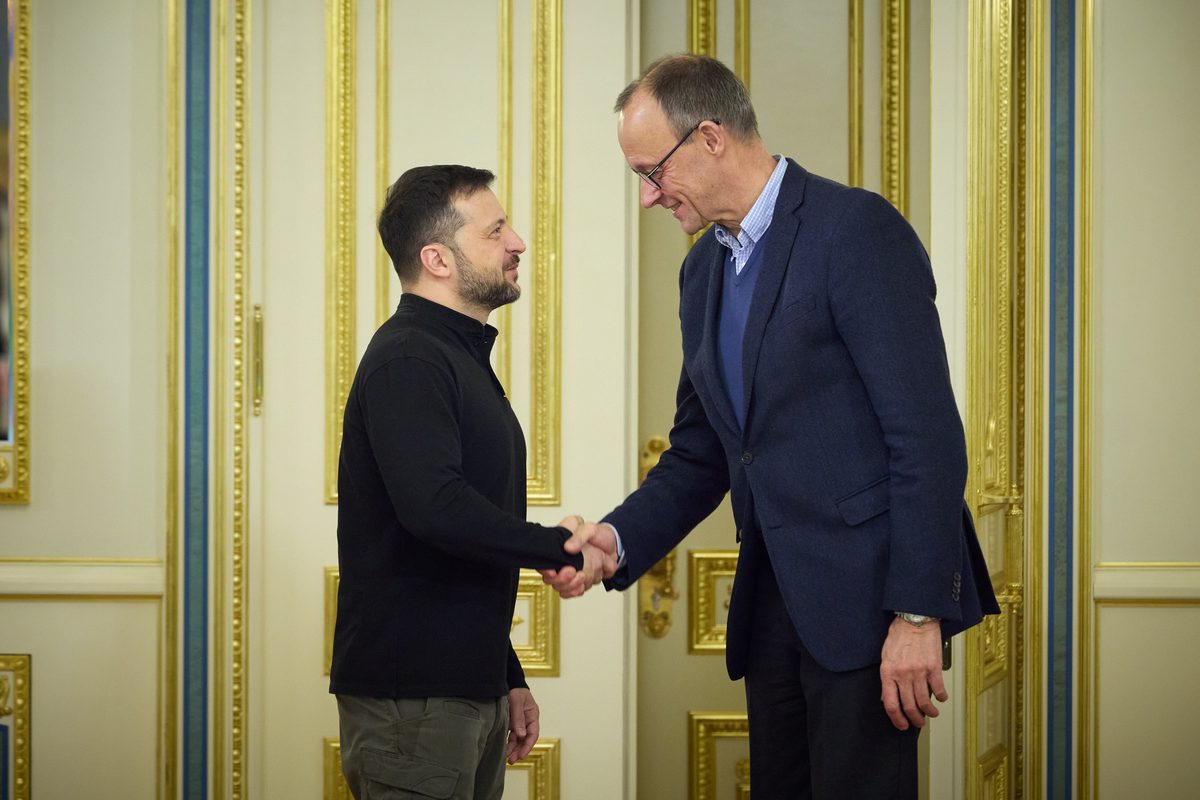
    Ukrainian President Volodymyr Zelenskyy told the conference Ukraine 'needs a date' for EU membership and aims for 2027, while criticizing US focus on Ukrainian rather than Russian concessions.

  4. UK Announces Operation Firecrest Arctic Deployment

    Military

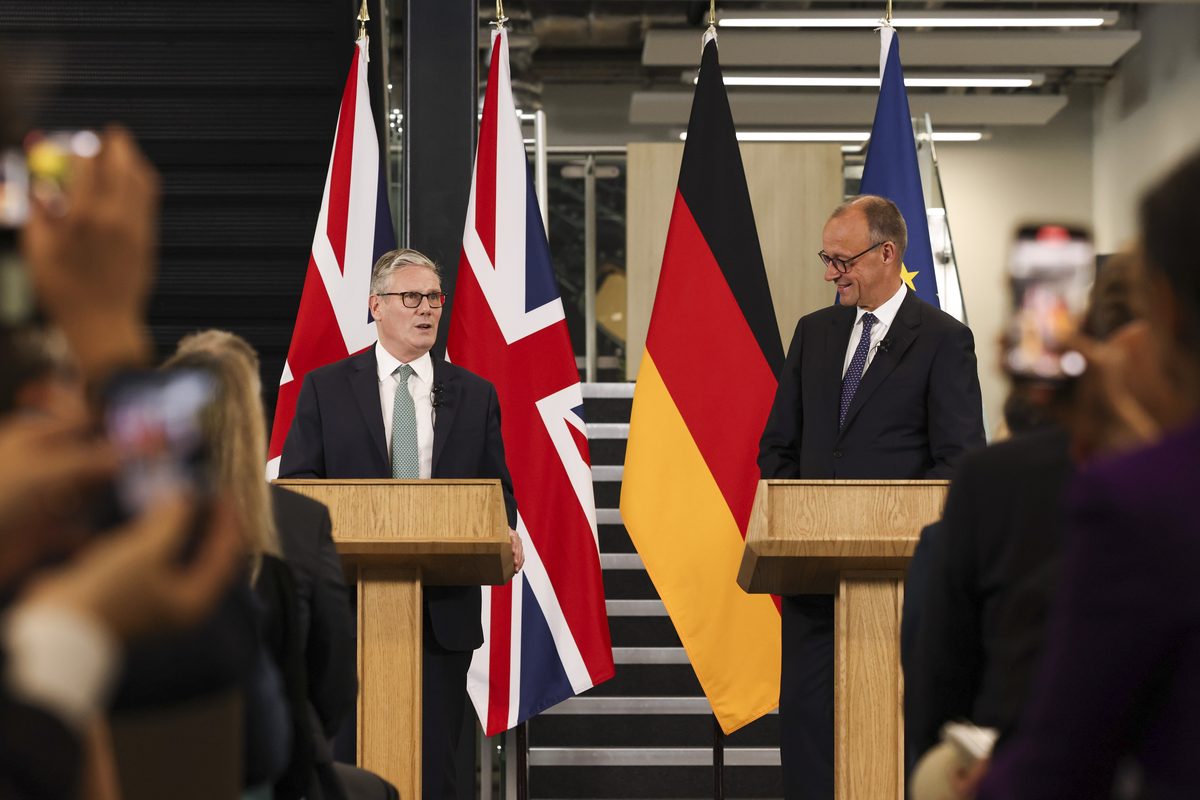
    Prime Minister Keir Starmer announced Operation Firecrest, deploying the HMS Prince of Wales carrier strike group to the North Atlantic and Arctic alongside NATO allies.

  5. Merz Opens Conference Warning of End to Postwar Order

    Speech

    German Chancellor Friedrich Merz delivered the opening keynote, stating the postwar world order 'no longer exists' and warning the US it cannot 'go it alone.'

  6. Macron Calls for European Nuclear Deterrence

    Speech

    French President Emmanuel Macron urged Europe to 'rearticulate nuclear deterrence' and become 'a geopolitical power in its own right,' pushing back against US criticism.

  7. Rubio Meets Wang Yi on Trump's China Visit

    Diplomatic

    Secretary of State Marco Rubio held 'positive and constructive' talks with Chinese Foreign Minister Wang Yi, preparing for President Trump's planned April visit to Beijing.

  8. Rubio Discusses Syria Ceasefire with al-Shaibani

    Diplomatic

    Secretary Rubio met Syria's Foreign Minister Asaad al-Shaibani and Syrian Democratic Forces commander Mazloum Abdi to consolidate the northeast Syria ceasefire agreement.

  9. NATO Launches Arctic Sentry Mission

    Military

    NATO launched a multi-domain Arctic Sentry operation to counter Russian and Chinese activity in the region, protect undersea cables, and address concerns over Trump's Greenland rhetoric.

  10. Munich Security Report Warns of 'Wrecking-Ball Politics'

    Publication

    The conference released its annual report warning that the post-1945 international order is 'under destruction' and analyzing the rise of political forces favoring destruction over reform.

  11. Trump-Xi Phone Call on Trade and April Summit

    Diplomatic

    President Trump held a 90-minute call with President Xi Jinping, focused mainly on trade issues, setting the stage for Trump's planned April visit to Beijing.

  12. Trump-Rutte Greenland Framework Agreement

    Diplomatic

    President Trump cancelled threatened tariffs on European NATO allies after agreeing to a framework with Secretary General Rutte on Arctic cooperation, de-escalating the Greenland acquisition dispute.

Scenarios

1

Europeans Meet 5% Target, NATO Strengthens

Discussed by: NATO officials, Atlantic Council analysts, European defense ministries

European allies follow through on the 2035 timeline for 5% GDP defense spending. Poland, the Baltic states, and Germany lead the way, with France and Britain reaching the target ahead of schedule. NATO develops credible conventional deterrence independent of US ground forces, and the Arctic Sentry mission evolves into permanent infrastructure. This scenario depends on sustained economic growth in Europe and continued threat perception from Russia.

2

US-Europe Rift Deepens, Alliance Fractures

Discussed by: Munich Security Report authors, CEPR economists, European Council on Foreign Relations

Trump administration demands for European burden-sharing escalate into punitive tariffs or threats to reduce US NATO commitments. European leaders prove unable to sustain defense spending increases amid domestic economic pressures. The alliance becomes increasingly transactional, with bilateral security arrangements replacing multilateral coordination. Ukraine support fragments.

3

Trump-Xi Summit Produces Trade Deal Extension

Discussed by: South China Morning Post, Atlantic Council, US business community sources

President Trump's April visit to Beijing results in extending the current trade truce by up to one year, restoring reciprocal 10-year business visas, and expanding US airline access to Chinese airports. The summit is framed as a diplomatic success for both leaders, though underlying technology and security tensions remain unresolved.

4

Ukraine Joins EU by 2027, Membership Accelerates

Discussed by: European Commission officials, Zelenskyy administration, EU enlargement analysts

The European Union agrees to an accelerated accession timeline, with Ukraine meeting key governance and reform benchmarks. Hungary's opposition is overcome through coalition pressure or procedural workarounds. Full membership by 2027 becomes a rallying point for European unity and a concrete response to Russian aggression.

5

Arctic Competition Intensifies, New Flashpoints Emerge

Discussed by: Nordic defense ministries, NATO Joint Force Command Norfolk, Arctic security researchers

As sea ice continues melting, Russia and China increase military and commercial activity in the Arctic. NATO's Arctic Sentry mission expands, with permanent basing in Greenland and Norway. Incidents involving undersea cables, fishing rights, or shipping lanes create new flashpoints requiring alliance coordination.

Historical Context

Putin's Munich Speech (2007)

February 2007

What Happened

Russian President Vladimir Putin delivered his first address to the Munich Security Conference on February 10, 2007, sharply criticizing NATO expansion and the 'unipolar world' dominated by the United States. He warned that NATO's eastward enlargement 'does not have any relation with ensuring security in Europe' and 'represents a serious provocation.'

Outcome

Short Term

The speech signaled Russia's rejection of a subordinate role in international affairs and marked a turning point in Moscow's assertiveness.

Long Term

Russia invaded Georgia the following year (2008), annexed Crimea in 2014, and launched a full-scale invasion of Ukraine in 2022—the pattern Putin's speech foreshadowed.

Why It's Relevant Today

Putin's 2007 warnings about NATO expansion have become central to Russian justifications for aggression. The 2026 conference grapples with the consequences of policies he denounced nineteen years earlier.

NATO Bucharest Summit (2008)

April 2008

What Happened

At NATO's Bucharest summit, the Bush administration pushed to offer Ukraine and Georgia a Membership Action Plan—the formal pathway to alliance membership. France and Germany blocked the proposal, but NATO's final communiqué declared that both countries 'will become members of NATO.'

Outcome

Short Term

Four months later, Russia invaded Georgia in a five-day war. NATO membership for both countries was effectively frozen.

Long Term

The ambiguous commitment—promising future membership without a timeline—left Ukraine in a security gray zone that Russia exploited through 2014 annexation of Crimea and the 2022 invasion.

Why It's Relevant Today

Zelenskyy's push for a concrete EU accession date echoes the lesson of Bucharest: vague commitments without timelines create vulnerabilities Russia can exploit.

Cold War Arctic Buildup (1950s-1980s)

1950-1991

What Happened

During the Cold War, the Arctic served as a primary theater for US-Soviet military competition. The Greenland-Iceland-UK (GIUK) Gap was a critical chokepoint where NATO monitored Soviet submarine movements. The US maintained strategic bomber bases in Greenland and Iceland, while the Soviet Northern Fleet operated from Murmansk.

Outcome

Short Term

Both superpowers invested heavily in Arctic-capable forces, early warning systems, and undersea detection networks.

Long Term

After 1991, Arctic military presence declined as the strategic imperative faded. Climate change and renewed Russian militarization have now restored the region's importance.

Why It's Relevant Today

Operation Firecrest and Arctic Sentry represent the first major NATO military expansion into the High North since the Cold War, responding to the same geographic imperatives that drove superpower competition decades ago.

14 Sources: