


Pull to refresh
Logo
Daily Brief
Following
Why
A century of rising IQ scores gets its definitive measurement

A century of rising IQ scores gets its definitive measurement

New Capabilities
By Newzino Staff |

Massive Meta-Analysis Confirms 30-Point Gain Since 1909, But Hints at a Ceiling

January 1st, 2023: New Meta-Analysis Shows Continuing Global Pattern

Overview

In 1932, the average American would have scored 70 on a modern IQ test—the threshold for intellectual disability. By 2013, that same population's raw performance had climbed by 30 points. A landmark 2015 meta-analysis examining 271 studies across 31 countries and nearly 4 million participants confirmed what psychologist James Flynn had argued for decades: IQ test scores have been rising steadily worldwide at roughly 3 points per decade throughout the 20th century.

The finding carries profound implications for how we understand human potential. The gains appear driven by environmental factors—better nutrition, reduced disease burden, expanded education, and removal of neurotoxins like lead and iodine deficiency—not genetic change. But the same data reveals troubling signals: IQ gains have slowed in developed nations since the 1990s, and in some Scandinavian countries, scores are now declining. The century-long upward trend may be approaching its ceiling.

Key Indicators

30
IQ Points Gained
Average raw score improvement from 1909 to 2013 across 31 countries
~3
Points Per Decade
Estimated annual gain of 0.28-0.41 IQ points, depending on test domain
4M
Participants Studied
The 2015 meta-analysis covered 271 independent samples totaling nearly 4 million people
15
IQ Points from Iodization
Estimated gain for iodine-deficient Americans after salt iodization in 1924

Interactive

Exploring all sides of a story is often best achieved with Play.

Ever wondered what historical figures would say about today's headlines?

Sign up to generate historical perspectives on this story.

Sign Up

Debate Arena

Two rounds, two personas, one winner. You set the crossfire.

People Involved

James Robert Flynn
James Robert Flynn
Intelligence researcher who documented the effect (Deceased (December 11, 2020))
Jakob Pietschnig
Jakob Pietschnig
Lead author of the 2015 meta-analysis (Active researcher at University of Vienna)
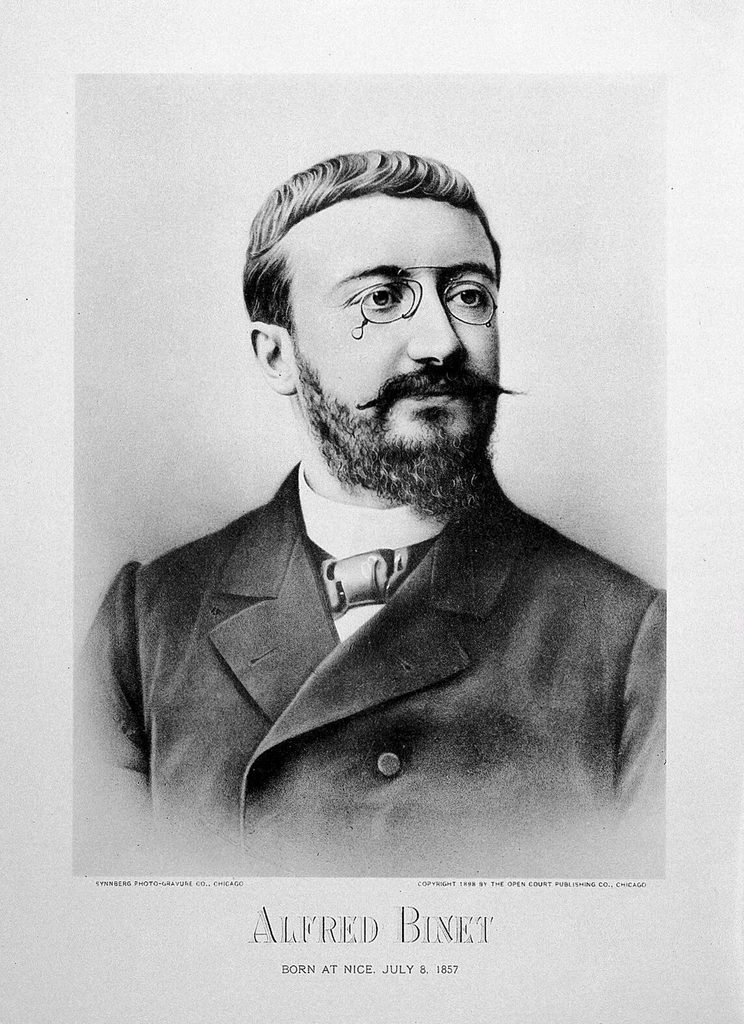
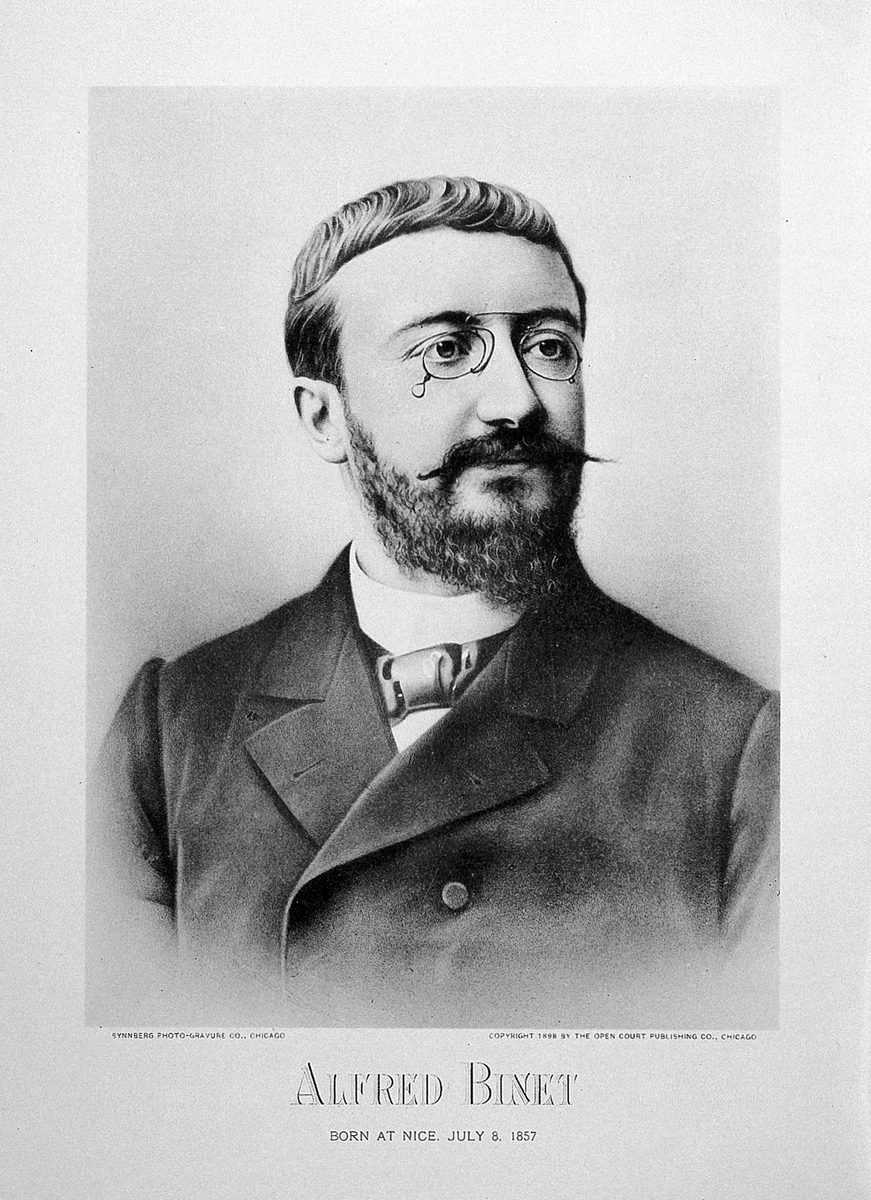
Alfred Binet
Alfred Binet
Creator of the first practical IQ test (Deceased (1911))

Organizations Involved

Perspectives on Psychological Science
Academic Journal
Status: Published the 2015 meta-analysis

A leading psychology journal that publishes integrative reviews and meta-analyses across psychological disciplines.

International Society for Intelligence Research
Academic Organization
Status: Primary professional body for intelligence researchers

The main professional organization for researchers studying human intelligence and cognitive abilities.

Timeline

  1. New Meta-Analysis Shows Continuing Global Pattern

    Research Finding

    Wongupparaj et al. analyze 300,000 scores across 72 countries (1948-2020), confirming roughly 30-point gains overall while documenting that BRIC nations now show the strongest gains at 2.9 points per decade.

  2. Study Quantifies Lead's IQ Toll on Americans

    Research Finding

    Duke University researchers estimate that lead exposure reduced the collective American IQ by 824 million points, with those born in the mid-1960s losing up to 6 points on average.

  3. James Flynn Dies at 86

    Personal

    James Flynn dies in Dunedin, New Zealand. The intelligence research community mourns the loss of the researcher who transformed understanding of IQ trends.

  4. Norwegian Study Documents Reversal

    Research Finding

    Bratsberg and Rogeberg publish evidence that the Flynn effect reversed in Norway between 1962-1991, with scores declining in recent cohorts. The pattern appears within families, suggesting environmental causes.

  5. Definitive Meta-Analysis Confirms 30-Point Century Gain

    Research Finding

    Pietschnig and Voracek publish the first comprehensive meta-analysis of the Flynn effect, analyzing 271 samples from 31 countries (1909-2013). The study confirms average gains of approximately 3 points per decade while noting gains have slowed in recent decades.

  6. 'Flynn Effect' Named in The Bell Curve

    Publication

    Richard Herrnstein and Charles Murray coin the term 'Flynn effect' in their controversial book, bringing the phenomenon to widespread public attention.

  7. Flynn Extends Findings to 14 Nations

    Research Finding

    Flynn's follow-up paper demonstrates IQ gains are occurring globally, not just in the United States, establishing the phenomenon as universal.

  8. Flynn Documents Massive US IQ Gains

    Research Finding

    James Flynn publishes 'The Mean IQ of Americans: Massive Gains, 1932 to 1978' in Psychological Bulletin, showing a 13.8-point increase over 46 years based on 73 studies.

  9. First Evidence of Rising Scores Published

    Research Finding

    Read Tuddenham presents evidence of IQ gains using military testing data. Flynn later said Tuddenham deserved credit for first documenting the effect.

  10. Wechsler Introduces Adult IQ Test

    Scientific Development

    David Wechsler publishes the Wechsler-Bellevue Scale, introducing 'deviation IQ' scoring and separate verbal/performance measures. This approach eventually supersedes Stanford-Binet for adult testing.

  11. US Begins Salt Iodization

    Public Health

    Iodized salt becomes widely available in the United States. Later research estimates this raised IQ by 15 points for the quarter of the population most deficient in iodine.

  12. Stanford-Binet Launches in US

    Scientific Development

    Lewis Terman adapts Binet's test for American use, creating the Stanford-Binet Intelligence Scale and introducing the term 'intelligence quotient.'

  13. First IQ Test Created

    Scientific Development

    Alfred Binet and Théodore Simon develop the Binet-Simon Scale in France to identify students needing educational support, introducing the concept of 'mental age.'

Scenarios

1

Global Convergence: Developing Nations Close the Gap

Discussed by: Pietschnig (2015), Wongupparaj (2023), researchers studying BRIC cognitive trends

As nutrition, healthcare, and education continue improving in developing countries, IQ gains persist at 2-3 points per decade in regions like India, China, and Brazil. The 19-point gap between East Asian and South Asian PISA scores narrows significantly by 2040. Meanwhile, developed nations plateau, creating global cognitive convergence.

2

Reversal Spreads: Nordic Pattern Goes Global

Discussed by: Bratsberg & Rogeberg (2018), Scandinavian military testing data, researchers studying reverse Flynn effects

The score declines documented in Norway, Denmark, and Finland since the 1990s spread to other developed nations. Hypothesized causes include educational shifts away from abstract reasoning, increased screen time replacing reading, or simply hitting the ceiling of environmental optimization. By 2035, most developed countries show flat or declining scores.

3

Tests Lose Diagnostic Power

Discussed by: Critics of IQ testing methodology, researchers studying Raven's Matrices validity

The very success of the Flynn effect undermines IQ testing's utility. As populations become increasingly familiar with test formats and abstract reasoning patterns, scores reflect test-taking practice rather than cognitive ability. Raven's Progressive Matrices—once considered culturally neutral measures of pure reasoning—lose diagnostic validity. Psychologists develop fundamentally new assessment approaches.

4

Environmental Ceiling Confirmed

Discussed by: Nutrition and public health researchers, cognitive scientists studying developmental limits

Research confirms that once basic environmental conditions are met—adequate nutrition, absence of neurotoxins, reasonable education—further environmental improvements yield diminishing cognitive returns. The Flynn effect is reinterpreted as documenting humanity's journey toward a natural cognitive ceiling, not unlimited potential for IQ growth.

Historical Context

Iodized Salt Introduction (1924)

1924

What Happened

The United States began widespread distribution of iodized salt to combat goiter, a thyroid condition caused by iodine deficiency. Iodine is critical for fetal brain development during pregnancy. Before iodization, large portions of the American interior—the 'goiter belt'—had endemic deficiency.

Outcome

Short Term

Goiter rates plummeted within a decade. The intervention cost roughly 51 cents per dose for pregnant mothers.

Long Term

Researchers estimate iodization raised IQ by approximately 15 points for the quarter of the population most deficient. This single intervention may account for roughly one decade's worth of Flynn effect gains.

Why It's Relevant Today

Demonstrates how a simple, cheap environmental intervention can produce massive cognitive gains at population scale—exactly the kind of mechanism driving the Flynn effect.

Lead Gasoline Era (1923-1996)

1923-1996

What Happened

Tetraethyl lead was added to gasoline beginning in 1923 to prevent engine knock. By the 1970s, Americans' blood lead levels had risen dramatically. Children were especially vulnerable, as lead accumulates in developing brains. Those born in the mid-1960s faced peak exposure.

Outcome

Short Term

The phase-out of leaded gasoline began in the 1970s after mounting evidence of neurological harm. Blood lead levels dropped 93.6% from 1970 to 2016.

Long Term

Duke researchers estimate leaded gasoline reduced collective American IQ by 824 million points. Those born at peak exposure may have lost 6+ IQ points on average. The removal of lead is itself a contributor to Flynn effect gains.

Why It's Relevant Today

Shows that environmental factors can suppress population IQ, and their removal produces gains. Also illustrates why the Flynn effect may have different trajectories in different countries depending on when they addressed environmental neurotoxins.

The Bell Curve Controversy (1994)

October 1994

What Happened

Psychologist Richard Herrnstein and political scientist Charles Murray published The Bell Curve, which used IQ data to argue that cognitive stratification was creating a divided society. The book's claims about racial IQ differences sparked intense controversy. Notably, the authors coined the term 'Flynn effect' and used Flynn's data.

Outcome

Short Term

The book became a bestseller and lightning rod. The American Psychological Association convened a task force that found no conclusive evidence for genetic explanations of group IQ differences.

Long Term

The controversy permanently linked IQ research to debates about race and heredity. Flynn himself spent years arguing that his data actually undermined hereditarian claims—if IQ can rise 30 points in a century due to environment, group differences could be environmental too.

Why It's Relevant Today

The Flynn effect became a central piece of evidence in the nature-nurture debate. Flynn's data was used by both sides—by hereditarians to note that gains didn't close racial gaps, and by environmentalists to argue that IQ is highly malleable.

12 Sources: