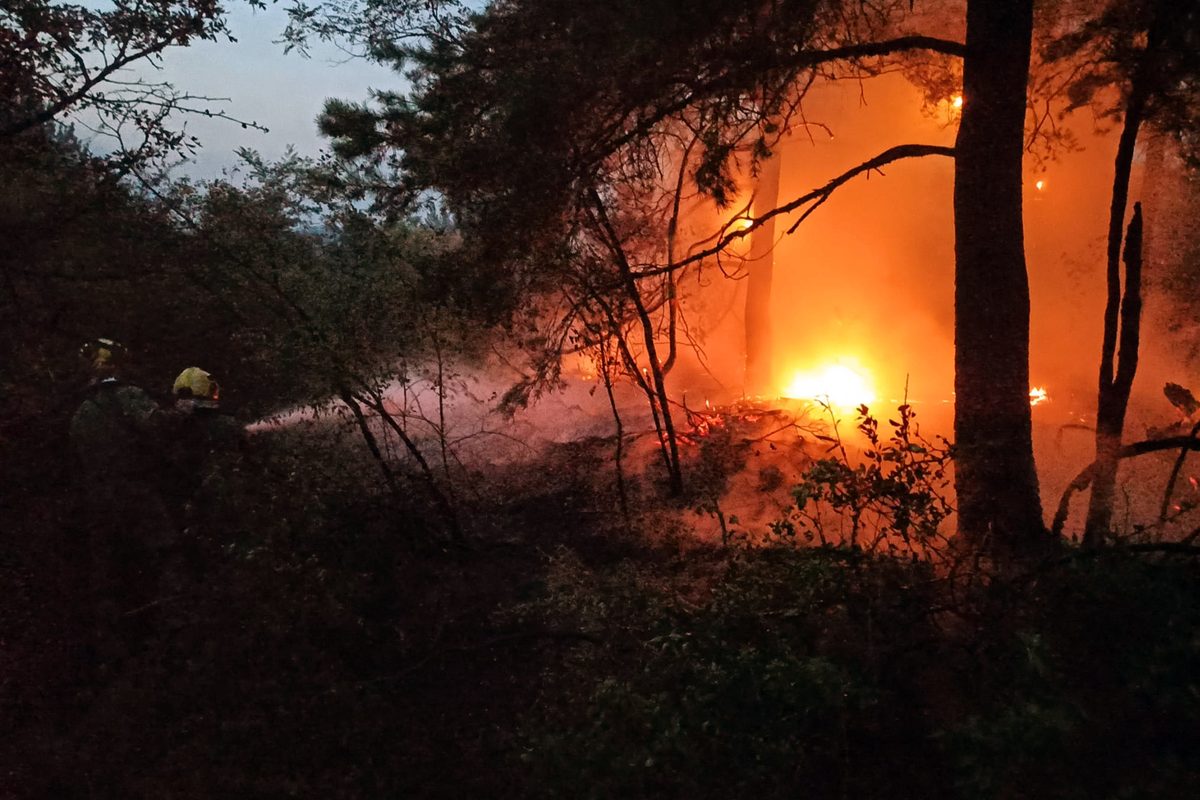
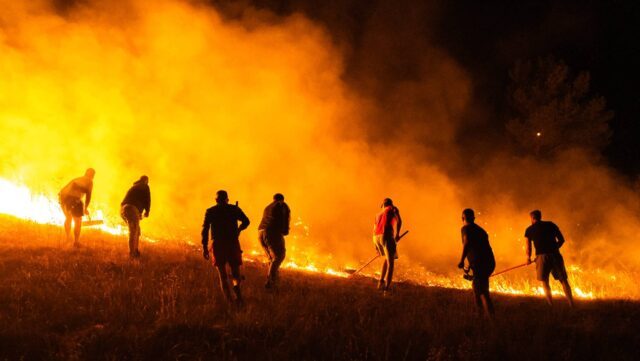
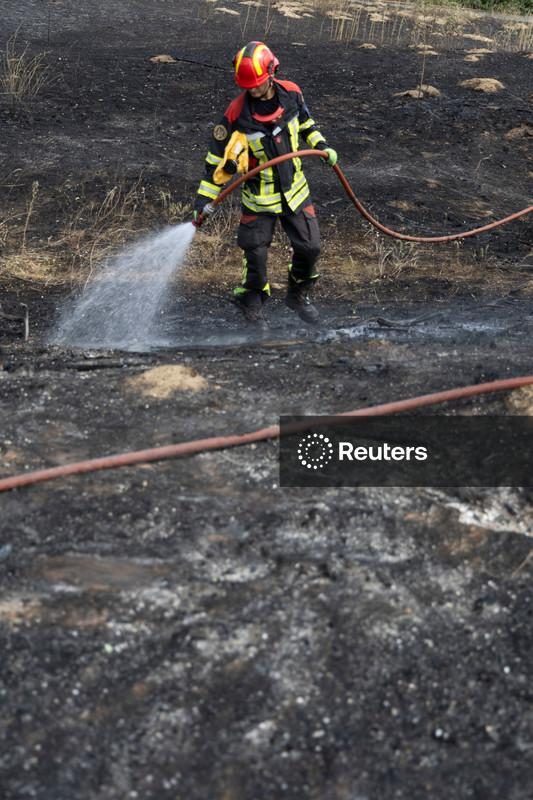
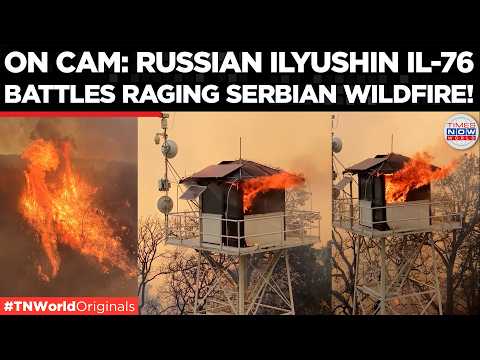
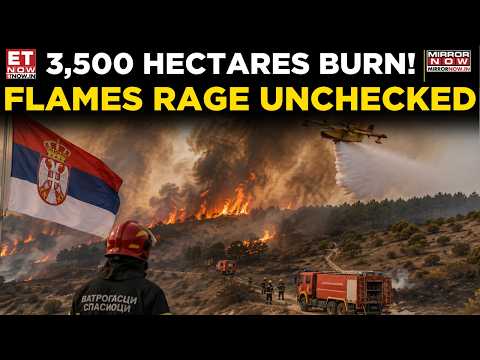
Satellite imagery no longer detects hotspots in Serbia's Deliblato Sands, a protected reserve about 80 kilometers from Belgrade. The fire, first detected July 21, burned 3,960 hectares and flared repeatedly in a heat wave. Environment Minister Sara Pavkov says recovery will take five to ten years.
Crews are now deciding what to replant, with birch, poplar, ash, and oak among the candidates to replace fire-prone conifers. The EU sent four helicopters and 124 firefighters; Copernicus satellite data showed about 13,920 hectares burned across Serbia by August 26. Parliament adopted amendments allowing construction on some fire-damaged land, a move Transparency Serbia and the Renewables and Environmental Regulatory Institute condemned.
Why it matters
The blaze burned a protected reserve that will take years to recover, and the heat wave that fed it keeps new fires igniting across Serbia.
Questions about this story
Free account needed to ask — your question is kept and asked for you right after sign-up. Answers are public.
No questions yet — be the first to ask.
Key Indicators
13,920 ha
Area burned across Serbia
Copernicus satellite data as of August 26, covering the Deliblato fire and other wildfires.
3,960 ha
Deliblato Sands burn extent
Area burned in the reserve; about 3,100 of the 3,960 hectares were forested, per Environment Minister Sara Pavkov.
124
EU firefighters deployed
Ground personnel from Germany and Romania, plus four rescEU helicopters, per the EU Civil Protection Mechanism.
178
People in burned area
Residents living within the fire perimeter as calculated by GDACS.
16 events
Latest: September 2nd, 2026 · 2 months ago
Showing 8 of 16
JK to step
Tap a bar to jump to that date
Jump to
September 2026
NGOs condemn construction-law amendments
LatestLegal
Transparency Serbia and the Renewables and Environmental Regulatory Institute said the amendments, adopted during the wildfire, could allow building on protected land.
Foresters plan Deliblato restoration
Recovery
Crews began removing burned timber and weighing whether to replace fire-prone conifers with birch, poplar, ash, or oak. Some experts advised a three-to-five-year observation period before replanting.
August 2026
Parliament allows construction on burned land
Government
Amendments to the Law on Planning and Construction allow public infrastructure on forest land damaged by fire. The amendments passed as the Deliblato fire was being extinguished.
Deliblato Sands clear of hotspots
Resolution
Satellite imagery showed no active hotspots in the reserve for the first time since the fire began. Twelve fires were still burning elsewhere in Serbia, and mop-up operations continued.
EU extends support until September 5
International Response
Four helicopters and a Romanian ground team remained deployed as strong winds were forecast. Copernicus data showed about 13,920 hectares burned across Serbia by August 26.
Last fire detection recorded
Resolution
GDACS records the fire's final detection; total burned area reaches 11,606 hectares and 178 people affected.
Minister gives full damage accounting
Government
Environment Minister Sara Pavkov said the fire burned 3,960 hectares, about 3,100 of them forested, and recovery would take five to ten years. She ruled out rezoning the land.
Serbia requests EU firefighting aid
International Response
Serbia activated the EU Civil Protection Mechanism. Four rescEU helicopters and 124 ground personnel from Germany and Romania arrived within days.
GDACS alert window closes
Alert
The overall Orange alert period for the fire ends, though isolated activity continues.
Šumarak defended overnight
Incident
Firefight continues through the night; about 1,500 hectares burned in Deliblato Sands and the settlement is successfully defended.
GDACS issues Orange alert
Alert
GDACS raises an Orange alert; four major fires burn across Serbia with 484 personnel deployed and Kovin under a state of emergency.
Fire reaches Šumarak yards
Incident
Flames enter some yards in the village of Šumarak but are stopped before reaching houses; residents urged to evacuate.
Blaze spreads through Deliblato Sands
Incident
Crews battle the fire with helicopters and heavy machinery as flames move through pine forest and low vegetation.
GDACS detects the fire
Alert
The Global Disaster Alert and Coordination System begins tracking the fire in Serbia as event WF 1030252.
Wildfires reported across Serbia
Incident
Several wildfires break out in Serbia; Copernicus EMS activates rapid mapping for burned-area assessment.
July 2026
Fire first detected in Deliblato Sands
Incident
Vojvodinašume, the reserve's manager, said the fire was first detected July 21 and was brought under control several times before flaring again in August's heat and wind.
Scenarios
1
Fire contained, Deliblato reserve spared further damage
Deadline passed (Q3 2026)
Discussed by: Serbian authorities and local officials
Crews surround the fire with wide firebreaks and repeated helicopter water drops, preventing flames from reaching settlements. The burn area stabilizes, no homes are destroyed, and Kovin lifts its state of emergency once the blaze is declared under control.
2
Investigation reveals cause, officials name source or suspects
Possible
Resolves by End of 2026
Discussed by: MUP, Vreme, local prosecutors
After the blaze is controlled, investigators determine the fire's origin. Officials have said the cause is under investigation and will be analyzed only once the fire is contained. If negligence or arson is found, authorities may file charges.
3
Fire reignites or spreads, forcing new evacuations
Deadline passed (Q3 2026)
Discussed by: Emergency services and local residents
Strong winds and continued drought fan smoldering roots or a new blaze, forcing renewed evacuations in Šumarak or neighboring settlements. Officials had warned the fire was difficult and uncertain to fight because of wind and terrain.
4
Restoration plan picks a new mix of trees for the reserve
Foresters are deciding what to replant on the burned ground. Birch, poplar, ash, and oak are candidates to replace highly flammable conifers. Some experts advise a three-to-five-year observation period before large-scale planting, warning that hasty replanting could leave the reserve vulnerable to the next fire.
The August 31 amendments allow public-interest construction on fire-damaged forest land. The environment ministry insists Deliblato Sands will not be rezoned. Transparency Serbia and the Renewables and Environmental Regulatory Institute are pushing back, and the dispute could move to the courts or back to parliament.
Historical Context
3 moments from history that rhyme with this story — and how they unfolded.
1 of 3
June 2017
Pedrógão Grande fire, Portugal (2017)
A wildfire in central Portugal, kicked up by extreme heat and a severe drought, killed 66 people and burned more than 50,000 hectares. Many victims died in cars on a road the flames crossed without warning.
Then
The fire prompted a national inquiry and was later blamed on a downed power line.
Now
It pushed Portugal to reform its wildfire response and land-management rules.
Why this matters now
Like the Serbian fire, it exploded during a heat wave and drought, showing how dry conditions turn wind-driven blazes into fast-moving emergencies.
2 of 3
Summer 2022
European wildfire season (2022)
Record heat across Europe fueled major wildfires in France, Spain, Portugal, and Greece, with some outbreaks reaching the edges of cities. Many countries activated emergency firefighting resources simultaneously.
Then
Oppressive temperatures and dry fuel forced mass evacuations across southern Europe.
Now
The season hardened Europe's awareness that wildfire is now a routine summer threat even in areas once considered low-risk.
Why this matters now
The same heat-wave-and-drought mechanism beneath those fires is what drove the Serbian blazes, including the one near Belgrade.
3 of 3
August 2007
Greek wildfires (2007)
A prolonged heat wave and strong winds spawned hundreds of fires across Greece over several weeks. The blazes killed 84 people, destroyed thousands of homes, and burned roughly 670,000 hectares, much of it in the Peloponnese.
Then
Greece declared a national emergency and accepted international firefighting aid.
Now
The disaster triggered a reworking of Greek forest-fire management and arson penalties.
Why this matters now
It is the benchmark for how badly a Balkan heat wave can compound a wildfire crisis, and why early containment of the Deliblato blaze mattered.