
Pull to refresh
Logo
Daily Brief
Following
Why
Iran's Lion and Sun revolution

Iran's Lion and Sun revolution

Force in Play
By Newzino Staff | |

Economic Collapse and Regime Crackdown Spark Largest Uprising Since 1979

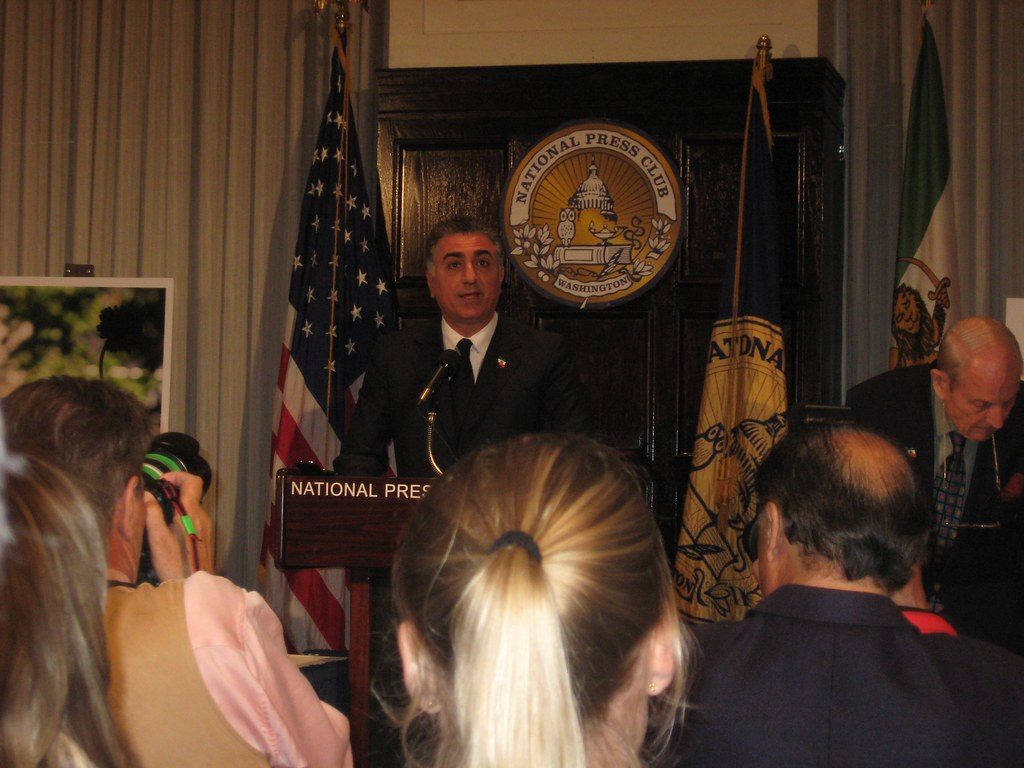
7 days ago: Pahlavi Urges Trump to End Islamic Republic

Overview

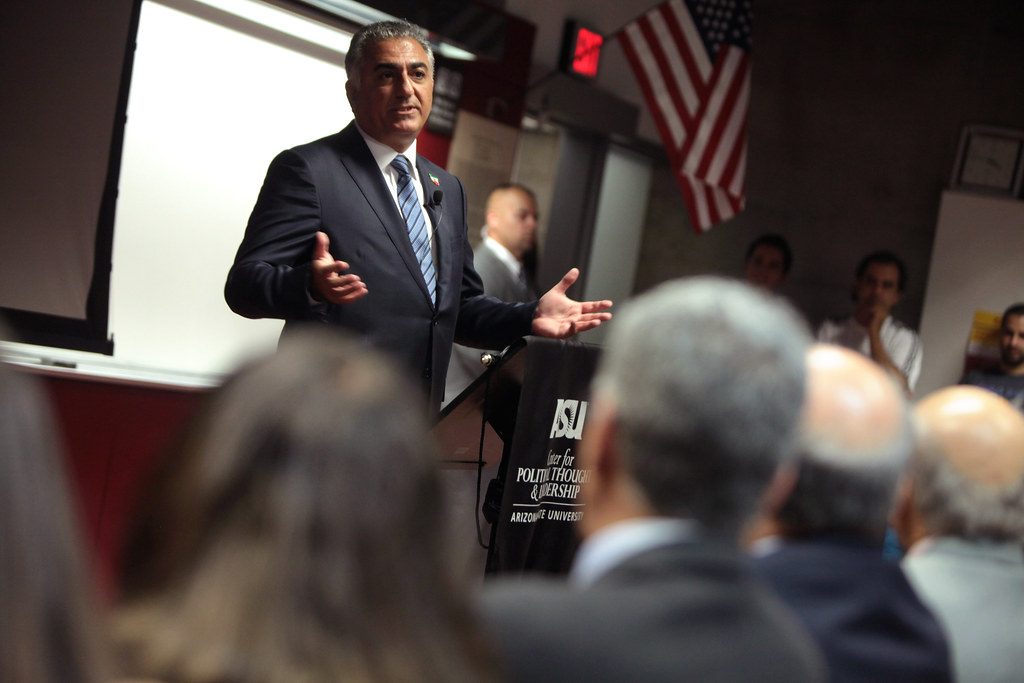
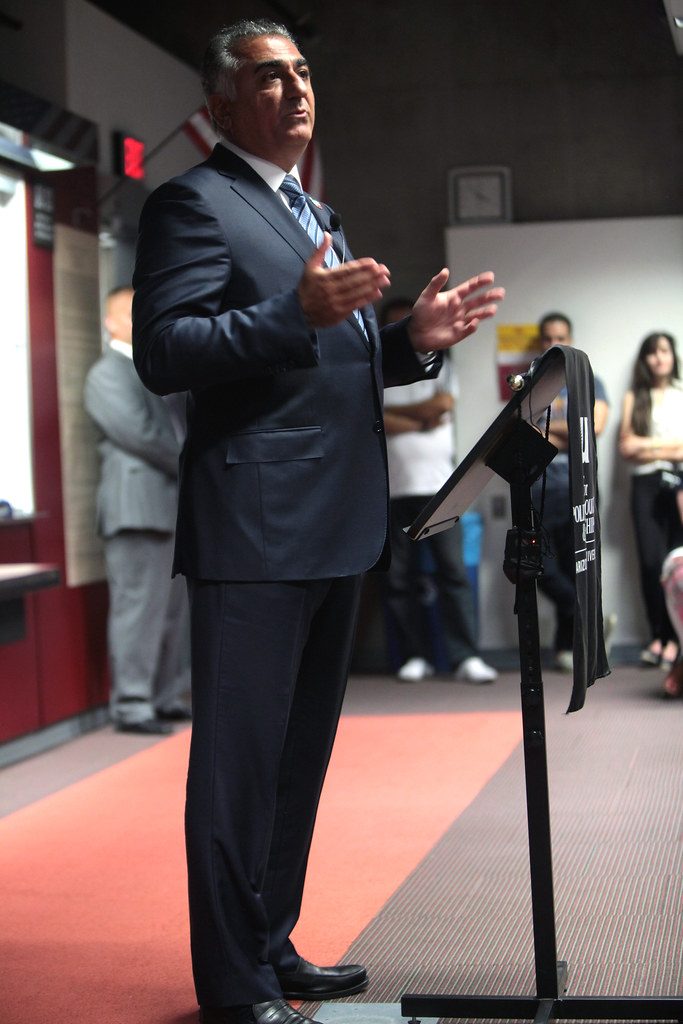
On February 14, 2026, an estimated 250,000 people marched through Munich during the Munich Security Conference, the largest protest ever held in Europe against Iran's government. The same day, 350,000 gathered in Toronto and 60,000 in Los Angeles—part of a coordinated Global Day of Action called by Crown Prince Reza Pahlavi, the exiled son of Iran's last shah, who has lived outside Iran for 47 years. Reports indicate over one million participated worldwide.

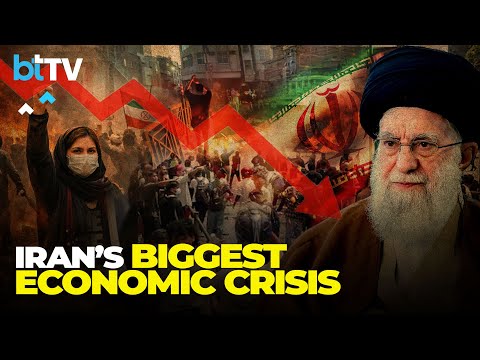
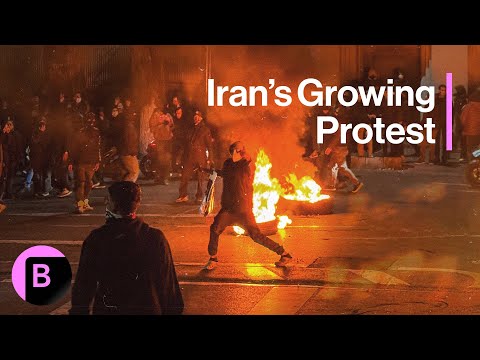
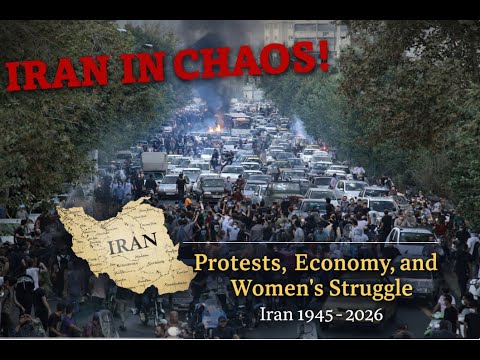
The diaspora mobilization follows a brutal crackdown inside Iran that has killed at least 7,000 protesters according to human rights groups, with some estimates exceeding 20,000. What began on December 28, 2025, as economic protests over a collapsing currency evolved into open demands for regime change, with demonstrators carrying pre-1979 flags and chanting 'death to the dictator.' The Islamic Republic has reimposed control through mass killings, a nationwide internet blackout, and the arrest of more than 53,000 people—but whether this repression can hold remains the defining question of 2026.

Key Indicators

7,005+
Confirmed Deaths
Death toll documented by the Human Rights Activists News Agency as of February 14, 2026. Iranian government acknowledges 3,117; UN estimates may exceed 20,000.
53,000+
People Arrested
Iranians detained since protests began December 28, 2025.
400
Cities With Protests
Demonstrations spread across all 31 Iranian provinces.
660,000+
Diaspora Rally Turnout
Combined attendance at Global Day of Action protests in Munich (250,000), Toronto (350,000), and Los Angeles (60,000).
1.4M:1
Rial Exchange Rate
Iranian currency collapsed to 1.4 million rials per US dollar in December 2025, triggering the initial protests.

Interactive

Exploring all sides of a story is often best achieved with Play.

Ever wondered what historical figures would say about today's headlines?

Sign up to generate historical perspectives on this story.

Sign Up

Debate Arena

Two rounds, two personas, one winner. You set the crossfire.

People Involved

Reza Pahlavi
Reza Pahlavi
Exiled Crown Prince of Iran (Leading diaspora opposition; urged Trump to help end Islamic Republic at Munich on February 15)
Ayatollah Ali Khamenei
Supreme Leader of Iran (Authorized crackdown; acknowledged 'several thousand' deaths)
Lindsey Graham
Lindsey Graham
United States Senator (R-South Carolina) (Addressed Munich rally in support of protesters)

Organizations Involved

Islamic Revolutionary Guard Corps (IRGC)
Military/Security Force
Status: Primary force conducting crackdown

Iran's elite military force, separate from the regular army, tasked with defending the Islamic Republic's political system.

Human Rights Activists News Agency (HRANA)
Human Rights Organization
Status: Documenting casualties and arrests

US-based Iranian human rights organization providing detailed documentation of the crackdown.

Timeline

  1. Pahlavi Urges Trump to End Islamic Republic

    Statement

    At Munich Security Conference, Reza Pahlavi called on President Trump to help 'bury' the Islamic Republic, stating 'This is the demand echoing from the bloodshed of my compatriots who are not asking us to fix the regime but to help them bury it.' Trump had deployed a second carrier and called regime change the 'best thing that could happen.'

  2. Global Day of Action Draws 660,000+

    Diaspora Protest

    Reza Pahlavi's coordinated Global Day of Action draws 250,000 in Munich during Security Conference, 350,000 in Toronto, and 60,000 in Los Angeles—the largest diaspora protests in Iranian opposition history. Senator Lindsey Graham addresses Munich crowd.

  3. UK Sanctions Iranian Officials

    Sanctions

    British government designates ten individuals including the Interior Minister and police chiefs under human rights sanctions for roles in crackdown.

  4. Khamenei Calls Uprising a 'Coup'

    Statement

    In remarks to regime loyalists, Supreme Leader Khamenei describes the protests as a US and Israeli-backed 'coup attempt,' acknowledging 'several thousand' deaths while denying responsibility.

  5. US Carrier Strike Group Arrives in Region

    Military

    American naval forces position in the Persian Gulf as Trump administration considers military options while maintaining 'maximum pressure' sanctions campaign.

  6. Death Toll Passes 2,500

    Casualty Report

    Human rights organizations report crackdown deaths exceed 2,500, marking the deadliest repression since the 1979 revolution.

  7. Trump Announces Secondary Tariffs on Iran Trade

    Sanctions

    President Trump announces 25% tariffs on countries continuing to trade with Iran, pledges to reduce Iran's oil exports to zero, and imposes new sanctions on Iranian officials.

  8. Regime Escalates to Mass Killings

    Crackdown

    Security forces begin coordinated mass shootings of protesters across the country. IRGC uses live ammunition including heavy machine guns. Internet shutdown imposed nationwide. Leaked documents indicate Supreme Leader Khamenei personally ordered forces to 'crush protests by any means necessary.'

  9. Nationwide Internet Blackout Begins

    Censorship

    Iran implements near-total internet shutdown, limiting access to regime-controlled sites. Authorities begin jamming Starlink satellite signals, reducing effectiveness by up to 80%. Possession of Starlink terminals made punishable by up to 10 years imprisonment or execution.

  10. Protests Shift to Political Demands

    Protest

    Demonstrators begin chanting 'death to the dictator' and 'Seyyed Ali will be toppled this year,' signaling shift from economic grievances to calls for regime change. Pre-1979 lion and sun flags appear.

  11. Protests Erupt as Currency Collapses

    Protest

    Demonstrations begin in Tehran's Grand Bazaar as the rial collapses to 1.4 million per dollar. Shopkeepers and university students lead initial protests focused on economic grievances. Strikes spread to 20+ cities within 48 hours.

  12. UN Sanctions 'Snapback' Takes Effect

    Sanctions

    European signatories to the 2015 nuclear deal invoke the snapback mechanism, automatically reimposing comprehensive UN sanctions including arms embargo, asset freezes, and banking restrictions.

  13. Israel Strikes Iran's Nuclear and Energy Infrastructure

    Military

    Israeli Air Force launches five waves of strikes using 200+ aircraft against Iran's nuclear program, missile sites, and energy facilities. Iran retaliates; US strikes Iran on June 22. Ceasefire reached June 24. The 12-day war devastates Iran's economy and accelerates currency collapse.

Scenarios

1

Regime Survives Through Repression, Emerges Weakened

Discussed by: Real Instituto Elcano, Chatham House, Johns Hopkins SAIS

The Islamic Republic successfully suppresses the uprising through sustained violence and information control, as it did with the 2009 Green Movement and 2022 Woman Life Freedom protests. However, the regime emerges significantly weaker: economically devastated by sanctions and war damage, politically delegitimized by mass killings, and dependent entirely on coercion to maintain order. Khamenei remains in power but faces an exhausted, resentful population and looming succession crisis given his age (86).

2

Gradual Collapse as Economic Pressure Compounds

Discussed by: Hudson Institute, Iran International, Foreign Policy

The regime's survival depends on addressing economic grievances, but sanctions, war damage, and currency collapse make recovery impossible. Unable to provide basic stability, the government faces recurring protests, defections from security forces, and eventual fragmentation. This mirrors late-stage Soviet collapse more than sudden revolution—a 'slow erosion' over months rather than a dramatic tipping point. The succession question after Khamenei becomes a fracture point for regime factions.

3

Military Intervention Accelerates Regime End

Discussed by: Washington Institute, Fox News, regional analysts

The Trump administration, viewing the protests as a strategic opportunity, conducts additional military strikes targeting remaining Iranian military capabilities. Combined with ongoing internal pressure, this accelerates regime collapse. The scenario carries significant risks: chaotic transition, regional instability, and potential for Iran to fragment along ethnic lines. Military planners warn that 'decapitation' strikes could produce unpredictable outcomes.

4

Negotiated Transition to Post-Theocratic Government

Discussed by: Al Jazeera, NCRI, Pahlavi supporters

Faced with existential pressure, regime pragmatists negotiate a managed transition, potentially involving international guarantees for departing officials. A transitional government oversees referendum on Iran's political future, as Reza Pahlavi has advocated. This would require regime faction willing to negotiate and opposition unified enough to be credible partner—neither condition currently exists. Historical parallel: Spain's transition after Franco.

Historical Context

1979 Iranian Revolution

January 1978 – February 1979

What Happened

Mass protests against Shah Mohammad Reza Pahlavi began with demonstrations in January 1978, escalating through strikes that paralyzed the economy. By September 1978, millions were marching in Tehran. The Shah fled on January 16, 1979. Ayatollah Ruhollah Khomeini returned from exile on February 1 to crowds of millions, and the monarchy collapsed ten days later.

Outcome

Short Term

The Islamic Republic was established through April 1979 referendum. Revolutionary tribunals executed hundreds of former officials. American embassy hostage crisis began in November 1979.

Long Term

Iran transformed from a Western-aligned monarchy to an anti-American theocracy. The revolution inspired Islamist movements across the Middle East and established the system current protesters now seek to overthrow—46 years later.

Why It's Relevant Today

The 2026 protests represent the most serious challenge to the Islamic Republic since its founding. Protesters explicitly reject the 1979 revolution by carrying pre-revolutionary lion and sun flags. Crown Prince Reza Pahlavi, who fled as a teenager in 1978, now leads opposition calls for the Islamic Republic's end.

2009 Green Movement (Iran)

June 2009 – February 2010

What Happened

After presidential elections widely viewed as fraudulent, an estimated 3 million Iranians protested in Tehran. Demonstrators adopted green as their symbol, representing reformist candidate Mir-Hossein Mousavi. Security forces killed 36-72 protesters; thousands were arrested. Chants evolved from 'Where is my vote?' to 'Death to the dictator.'

Outcome

Short Term

The regime successfully repressed the movement through sustained violence and arrests. Opposition leaders Mousavi and Mehdi Karroubi were placed under house arrest, where they remain.

Long Term

The movement demonstrated that significant portions of Iranian society rejected theocratic rule, but also showed the regime's capacity for repression. Many 2009 activists are now in the 2026 protests or leading diaspora organizing.

Why It's Relevant Today

The 2026 uprising dwarfs 2009 in scale (400 cities vs. primarily Tehran), casualties (7,000+ vs. ~70), and demands (regime change vs. election reform). Unlike 2009's urban middle class, 2026 draws from merchants, workers, and students across class lines.

Poland's Solidarity Movement (1980-1989)

August 1980 – June 1989

What Happened

Shipyard workers in Gdańsk formed Solidarity, the first independent trade union in the Soviet bloc, with 10 million members by 1981. The communist government imposed martial law in December 1981, arresting thousands and driving the movement underground. Through years of economic pressure and continued organizing, Solidarity eventually forced negotiations in 1989.

Outcome

Short Term

Poland held semi-free elections in June 1989. Solidarity won 99 of 100 Senate seats. By August, Poland had its first non-communist prime minister.

Long Term

Poland's transition triggered the collapse of communist governments across Eastern Europe within months. The 'Solidarity model' demonstrated that sustained civil resistance could eventually overcome authoritarian repression.

Why It's Relevant Today

Analysts compare Iran's current moment to Poland's late martial law period: a delegitimized regime maintaining power through force while losing capacity to address underlying economic failures. The key uncertainty is whether Iran's opposition can maintain organized pressure despite devastating repression—and whether economic collapse will eventually force regime adaptation.

15 Sources: