
Pull to refresh
Logo
Las Vegas to lower its deepest Lake Mead intake 30 feet

Las Vegas to lower its deepest Lake Mead intake 30 feet

Built World Las Vegas, NV local

Southern Nevada approves a $20.85 million contract to drop its third intake to 845 feet above sea level, the lowest the structure can go

Overview

Updated 1 hour ago

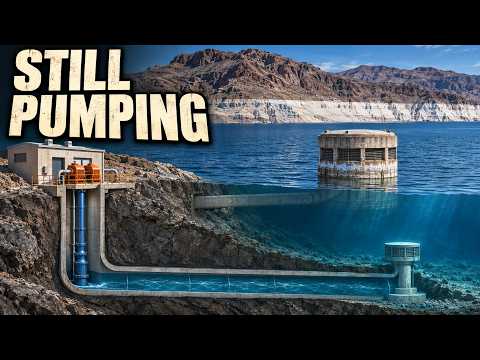
The Southern Nevada Water Authority will spend $20.85 million to lower its deepest Lake Mead intake by 30 feet, from 875 feet above sea level to 845. The board approved the contract with California-based Granite Construction; work is scheduled to run four months starting in January 2028.

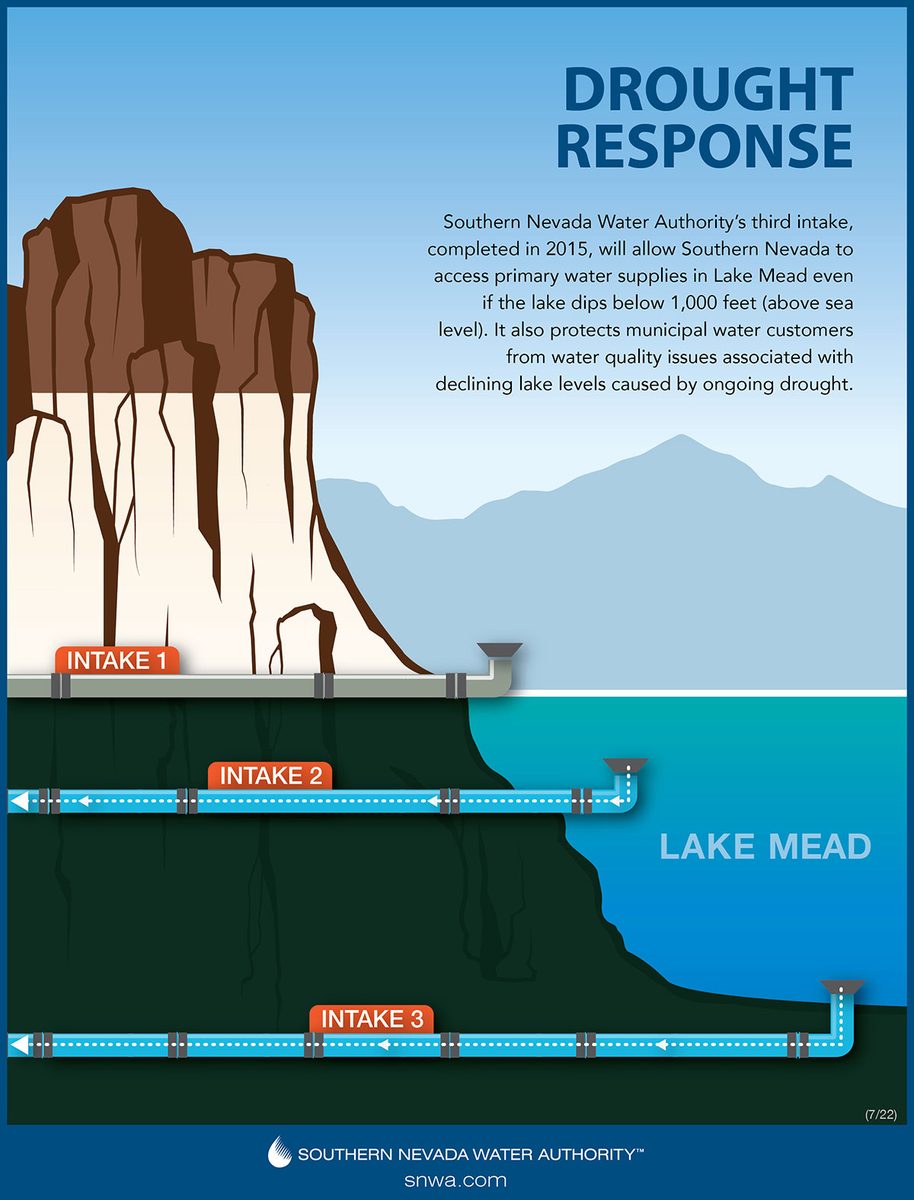
The intake already sits 20 feet below "deadpool," the elevation at which water can no longer pass through Hoover Dam. Going deeper buys 30 more feet of buffer and colder, cleaner water. It is also the last extension this pipe can take.

Why it matters

Las Vegas can still pull water from 50 feet below the level where Hoover Dam stops passing water downstream. That buffer now has a floor.

Last Monday's email for Las Vegas, NV

Sent Nov 16. It carried:

Get next Monday's: one short email a week. Free. Unsubscribe in one click.

Questions about this story

Free account needed to ask — your question is kept and asked for you right after sign-up. Answers are public.

No questions yet — be the first to ask.

Key Indicators

$20.85M
Contract value
Granite Construction's contract for design, permitting and construction.
875 ft
Current intake elevation
Feet above sea level, 20 feet below the deadpool threshold.
30 ft
Depth being added
Brings the intake to 845 feet, the structure's floor.
900M gal/day
System delivery capacity
Against peak summer demand of 620 million gallons per day.
4 months
Construction window
Planned for January through April 2028.

Voices

Curated perspectives — historical figures and your fellow readers.

Sign up to generate historical perspectives on this story.

People Involved

Organizations Involved

Timeline

2005 April 2028

7 events Latest: Yesterday
Tap a bar to jump to that date
  1. Lowered intake scheduled to be finished

    Upcoming Planned

    The valley will fill its own reservoirs during the work to keep service uninterrupted.

  2. Construction scheduled to begin

    Upcoming Planned

    Divers work eight-hour shifts to unbolt the intake's top two steel sections for a floating crane.

  3. Board awards $20.85 million to lower the third intake

    Latest Decision

    The contract with Granite Construction covers design, permitting and construction to drop the intake from 875 to 845 feet above sea level.

  4. Lake Mead hits lowest level since it filled

    Drought

    The surface reads 1,040.40 feet above sea level, after a brief recovery in 2024.

  5. Lake Mead falls to 26.6% of capacity

    Drought

    The reservoir holds 7.517 million acre-feet, below a record set in 2016.

  6. Third intake nears service after $817 million build

    Infrastructure

    Workers finish a tunnel reaching water 600 feet below the surface; the intake supplies the valley for more than a decade afterward.

  7. Southern Nevada approves a third Lake Mead intake

    Infrastructure

    Facing prolonged drought, the water authority board backs a roughly $812 million tunnel bored three miles through rock beneath the reservoir bed.

Scenarios

1

Intake operates at 845 feet by summer 2028

Likely Resolves by Q2 2028

Discussed by: Southern Nevada Water Authority engineering staff, in statements to the Las Vegas Review-Journal

Granite finishes design and permitting on schedule and divers complete the four-month swap in spring 2028. The authority keeps its reservoirs full during the work, so customers see no interruption, and the valley's deepest straw reaches its floor.

2

Lake Mead drops below 1,000 feet before the intake is lowered

Unlikely Resolves by Apr 30, 2028

Discussed by: Colorado River water managers and outside analysts tracking reservoir elevations

The reservoir was at 1,037 feet in late October 2026. A second dry winter at recent decline rates would put it near or below 1,000 feet before the 2028 construction window, shrinking the buffer the existing intake was built to provide.

3

Construction start slips past January 2028

Possible Resolves by Feb 29, 2028

Discussed by: Water authority board members and contractor schedules

Design, permitting or dive-window logistics push the work past its planned January 2028 start. The contract covers all three phases, so a slip in any one of them moves the whole project.

Historical Context

3 moments from history that rhyme with this story — and how they unfolded.

1935–1941

Hoover Dam and the filling of Lake Mead (1935–1941)

The Bureau of Reclamation finished Hoover Dam and the Colorado River began pooling behind it, eventually covering the towns of St. Thomas and Callville. The reservoir reached 1,200 feet above sea level about six years after the dam was completed.

Then

Lake Mead became the largest reservoir in the United States by capacity and the water source for roughly 20 million people and large farming areas.

Now

The lake has remained below full capacity since 1983.

Why this matters now

Every intake into Lake Mead is a fixed pipe at a fixed elevation. When the water falls below it, the pipe stops working.

2005–2015

The Third Straw (2005–2015)

Facing a prolonged drought, the Southern Nevada Water Authority board approved a third intake in 2005 at a cost of roughly $812 million. Crews bored a 23-foot-diameter tunnel three miles through rock, much of it beneath the reservoir bed, to reach water 600 feet below the surface.

Then

The intake came online and has supplied the Las Vegas Valley for more than a decade.

Now

It lowered the elevation at which Southern Nevada can physically withdraw water to 875 feet above sea level.

Why this matters now

The pipe being extended is that intake. Its design included the option to drop the top sections, which is what the 2026 contract pays for.

May 2022–August 2026

Lake Mead's slide to record lows (2022–2026)

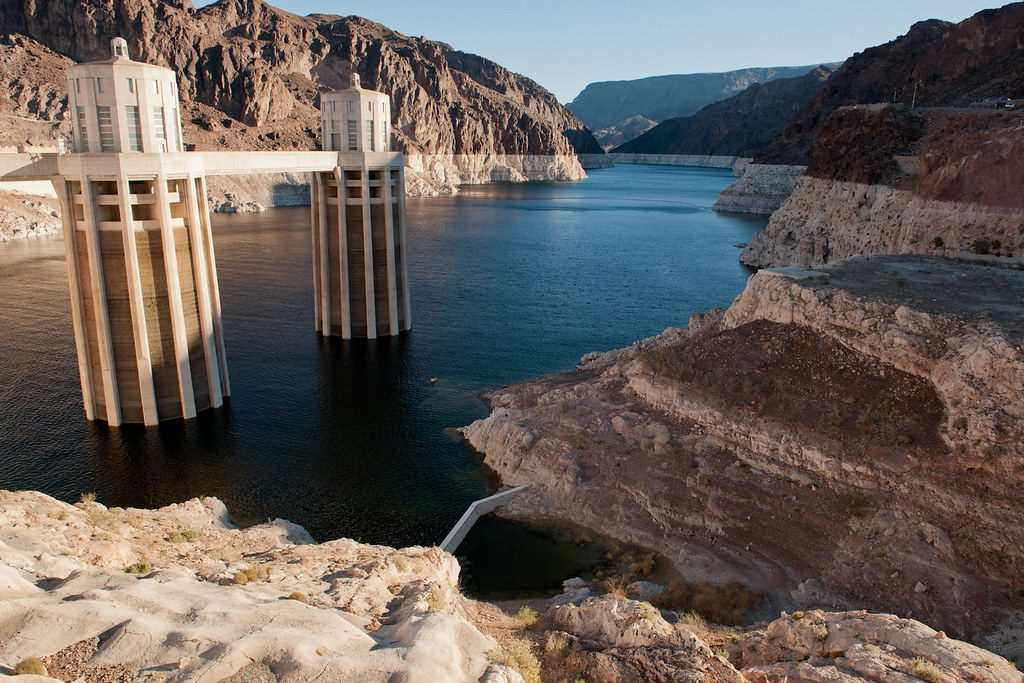
The reservoir fell to 26.63% of capacity in May 2022, below a record set in 2016. Conservation measures raised it about 16 feet over the two years to December 2024. It then fell again, reaching its lowest level since filling on 7 August 2026 at 1,040.40 feet above sea level.

Then

The lake read 1,037.16 feet by 22 October 2026, still falling.

Now

Utilities that draw from the reservoir are now planning for levels their intakes were not originally built to reach.

Why this matters now

The 30-foot extension is designed for a lake that keeps dropping, not one that recovers.

Sources

(4)