
Pull to refresh
Logo
Daily Brief
Following
Why Ranks Sign Up
New Mexico builds out its renewable energy transmission grid

New Mexico builds out its renewable energy transmission grid

Built World

A 137-mile, 345-kilovolt line links three substations in the state's southeast, opening room for new wind and solar

Today: Line energized

Overview

Southeastern New Mexico has plenty of wind and sun. For years it lacked the wires to move that power where people need it. On June 12, 2026, a new 137-mile, 345-kilovolt line went live and changed that.

The Crossroads–Hobbs–Roadrunner line ties together three substations across Roosevelt and Lea counties. It steadies the regional grid and clears space for new wind and solar to plug in. Operators project the typical home electric bill in the area will drop about $13 a month.

Why it matters

New power lines are the bottleneck for clean energy. This one lets stranded wind and solar reach the grid and is projected to cut local home bills by about $13 a month.

Questions about this story

No questions yet — be the first to ask.

Key Indicators

137 miles
Line length
Double-circuit 345-kilovolt line across two counties.
$13/month
Projected bill cut
Estimated drop in the typical area residential electric bill.
$291.6M
Project cost
NextEra financed, built, and will operate the line.
40 sq miles
Habitat set aside
Land reserved for the lesser prairie chicken along the route.

Voices

Curated perspectives — historical figures and your fellow readers.

Ever wondered what historical figures would say about today's headlines?

Sign up to generate historical perspectives on this story.

Play

Exploring all sides of a story is often best achieved with Play.

Log in to play. Track your picks, climb the leaderboards. Log in Sign Up
Predict 3 ways this could play out. Contrarian picks score more — points lock when the scenario resolves. Log in to play
Higher or Lower Two numbers from this story. Guess which is bigger. 5 rounds to set a streak. Log in to play
Connections Sixteen names from the news. Find the four hidden groups of four. Log in to play

People Involved

Organizations Involved

Timeline

January 2007 June 2026

4 events Latest: Today
Tap a bar to jump to that date
  1. Line energized

    Today Milestone

    The 137-mile line goes live across Roosevelt and Lea counties, ahead of schedule. Operators project it will cut typical area home bills by about $13 a month.

  2. SPP awards the project to NextEra

    Contract

    Southwest Power Pool selects NextEra Energy Transmission Southwest to finance, build, and operate the 345-kV double-circuit line, with service due by May 2026.

  3. Planning begins on the line

    Development

    Work starts on the Crossroads–Hobbs–Roadrunner project, roughly five years before it would go live.

  4. New Mexico creates RETA

    Policy

    The state Legislature sets up the Renewable Energy Transmission Authority to help build lines that carry wind and solar to market.

Historical Context

2 moments from history that rhyme with this story — and how they unfolded.

September 2023

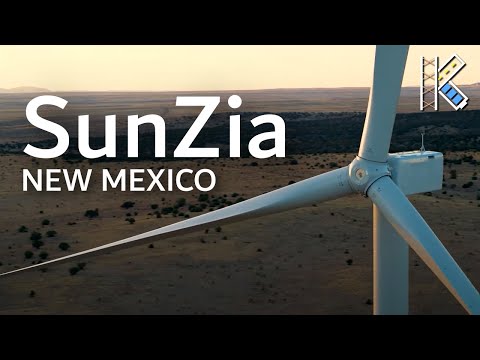
SunZia Transmission breaks ground (2023)

After more than 15 years of permitting fights and route disputes, developer Pattern Energy began building the SunZia line and a 3,650-megawatt wind farm in New Mexico. It is the largest onshore wind project in the United States.

Then

Construction kicked off a multi-billion-dollar effort to carry New Mexico wind west toward Arizona.

Now

SunZia became the benchmark for how hard, and how slow, big transmission can be in the U.S.

Why this matters now

Both projects exist to solve the same gap: New Mexico has the wind and sun but not the wires. Crossroads–Hobbs–Roadrunner shows the smaller, faster version of that fix.

2008–2014

Texas builds the CREZ transmission lines (2008–2014)

Texas spent about $7 billion on Competitive Renewable Energy Zone lines to connect West Texas wind to its cities. The state planned the wires before the wind farms, betting capacity would fill them.

Then

Thousands of miles of new lines opened and wind generation surged across the state.

Now

Texas became the top U.S. wind producer, and CREZ became the model for building transmission ahead of demand.

Why this matters now

CREZ proved that building lines first can unlock stranded renewables. New Mexico is now running a smaller version of that playbook.

Sources

(5)