



Pull to refresh
Logo
North Brooklyn street redesign advances NYC low-traffic neighborhood plan

North Brooklyn street redesign advances NYC low-traffic neighborhood plan

Built World New York, NY local

Plastic bollards and concrete planters on Driggs Avenue aim to cut cut-through traffic, as a ballot measure speeds up similar projects.

Overview

Updated 35 minutes ago

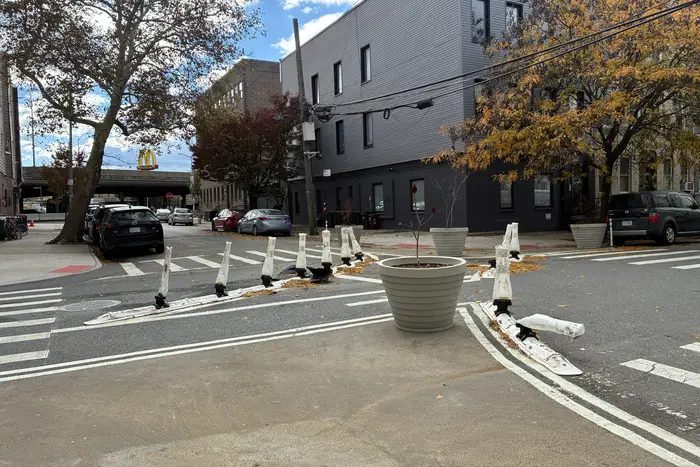
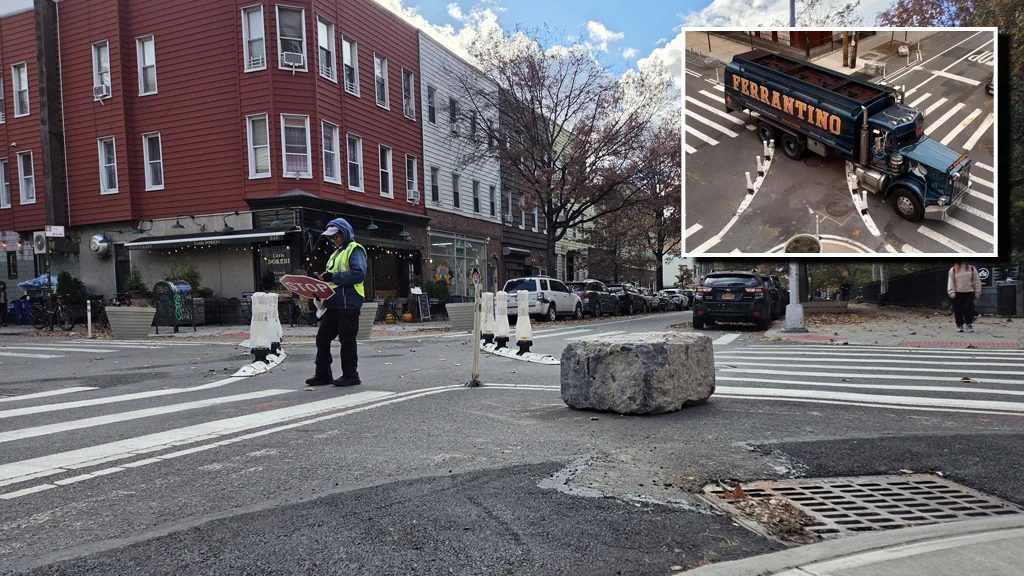
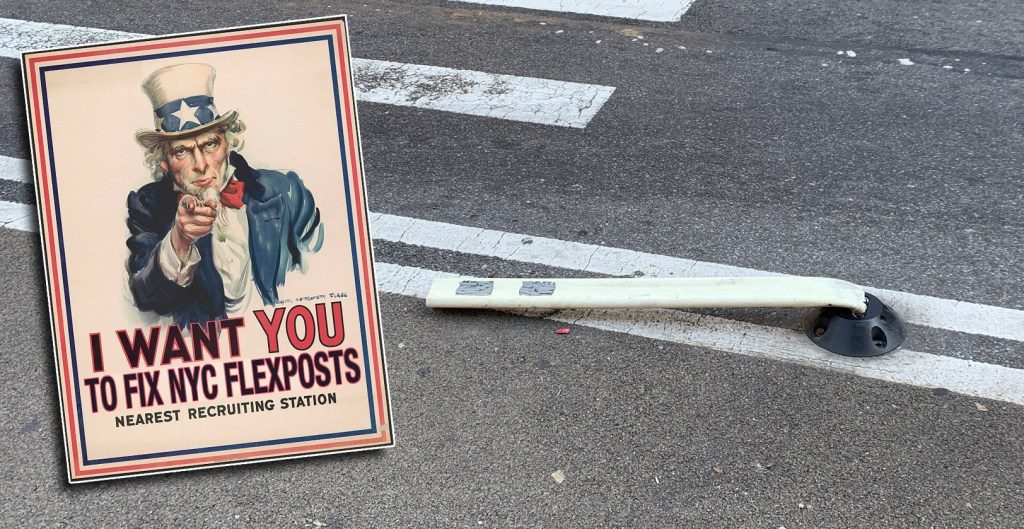
In late October, New York City installed plastic bollards at two intersections on Driggs Avenue in Greenpoint, forcing drivers to turn and blocking a common cut-through route. When cars smashed the bollards, neighbors brought concrete planters to reinforce them.

The project is an early test of a citywide push for low-traffic neighborhoods, which aim to reduce speeding and cut-through traffic. A ballot measure approved last week could let the transportation department build such projects faster.

Why it matters

If the low-traffic neighborhood model spreads, it could reshape how millions of New Yorkers experience their streets—and set a template for other cities.

Last Monday's email for New York, NY

Sent Nov 9. It carried:

Get next Monday's: one short email a week. Free. Unsubscribe in one click.

Questions about this story

Free account needed to ask — your question is kept and asked for you right after sign-up. Answers are public.

No questions yet — be the first to ask.

Key Indicators

2
Intersections with new diverters
Driggs Avenue at Monitor and Sutton streets
2
Traffic deaths near McGolrick Park in 3 years
One at Monitor and Driggs, now site of new bollards
70+
Low-traffic neighborhoods in London
A model for NYC's plan, per Open Plans

Voices

Curated perspectives — historical figures and your fellow readers.

Sign up to generate historical perspectives on this story.

People Involved

Organizations Involved

Timeline

October 2026 November 2026

5 events Latest: Today
Tap a bar to jump to that date
  1. Gothamist reports on redesign and community response

    Today Media

    The article highlights the project as a test case for NYC's low-traffic neighborhood plan.

  2. Heating oil truck runs over bollards

    Incident

    A Ferrantino Fuel Oil truck drives over the new barriers; a resident photographs it.

  3. Community members install concrete planters around bollards

    Community

    Neighbors and the North Brooklyn Parks Alliance fortify the plastic bollards with heavy planters.

  4. Voters approve ballot measure to fast-track street redesigns

    Policy

    The measure could let NYC DOT build low-traffic neighborhood projects more quickly.

  5. NYC DOT installs plastic bollards on Driggs Avenue

    Infrastructure

    Crews install diverters at Monitor and Sutton streets to force turns and reduce cut-through traffic.

Scenarios

1

NYC expands low-traffic neighborhoods citywide

Likely Resolves by End of 2027

Discussed by: Open Plans, local council members

With the ballot measure approved, NYC DOT could launch pilot low-traffic neighborhoods in other boroughs. Community boards in Brooklyn, Manhattan, and Queens have already asked the agency to study cut-through traffic.

2

Backlash forces rollback of Driggs Avenue redesign

Possible Resolves by Q2 2027

Discussed by: Local drivers, delivery companies

Some drivers and commercial vehicle operators say the bollards make routes too complicated. If complaints escalate, the city could remove or alter the diverters.

3

Legal challenge blocks ballot measure

Unlikely Resolves by Jan 1, 2027

Discussed by: Legal analysts

Opponents could sue to block the ballot measure, arguing it improperly delegates authority. A court injunction would slow street redesign projects.

Historical Context

2 moments from history that rhyme with this story — and how they unfolded.

2020-2023

London's Low Traffic Neighborhoods (2020s)

London began rolling out low-traffic neighborhoods in 2020, using bollards and planters to block cut-through traffic. Over 70 LTNs were implemented, reducing traffic inside neighborhoods by up to 47%.

Then

Traffic dropped and cycling increased, but some boundary roads saw temporary congestion.

Now

LTNs became a permanent feature of London's streets, though debates over equity and access continue.

Why this matters now

NYC's plan explicitly borrows from London's model, and the Driggs Avenue project is an early test of similar tactics.

2021

Sunnyside, Queens, street redesign (2021)

NYC DOT installed similar plastic bollards and diverters in Sunnyside, Queens, to calm traffic. Drivers eventually knocked them down, and the city upgraded to stronger concrete barriers.

Then

The redesign reduced speeding and cut-through traffic.

Now

The city learned that plastic bollards alone may not withstand heavy vehicles, leading to concrete upgrades.

Why this matters now

The Driggs Avenue project faces the same challenges, with cars smashing bollards and neighbors adding planters for reinforcement.

Sources

(4)