
Pull to refresh
Logo
Waymo opens public robotaxi service in Las Vegas

Waymo opens public robotaxi service in Las Vegas

New Capabilities

Nevada regulators authorized up to 7,000 robotaxis from Waymo, Tesla, and Uber for the county

2 days ago: Waymo opens public robotaxi service in Las Vegas

Overview

Updated Yesterday

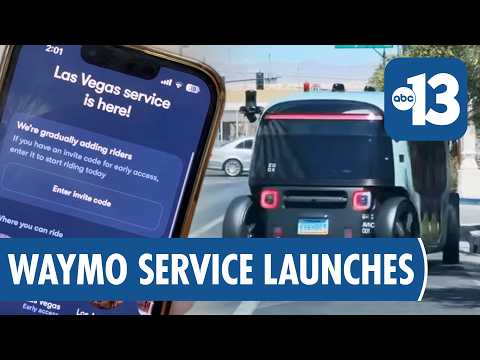
Waymo began inviting public riders in Las Vegas on September 14, weeks after Nevada regulators approved paid driverless rides. It's the Alphabet-owned company's 15th market, and Amazon's Zoox is already operating there.

Regulators authorized up to 7,000 robotaxis across Waymo, Tesla, and Uber in Clark County over the next year. If those fleets materialize, Las Vegas becomes the first US city where driverless ride-hail seriously competes with human-driven taxis and with rival robotaxi companies.

Why it matters

Las Vegas is the first city where three robotaxi operators could deploy thousands of vehicles — a live test of driverless transit.

Questions about this story

Free account needed to ask — your question is kept and asked for you right after sign-up. Answers are public.

No questions yet — be the first to ask.

Key Indicators

15
US markets where Waymo operates
Las Vegas is the 15th metro area where Waymo offers hailed rides.
7,000
Robotaxis authorized for Clark County in a year
Combined cap across Waymo (1,000), Tesla (5,000), and Uber (1,000) over 12 months.
24 mi
Initial Las Vegas service area
Covers the Strip, Allegiant Stadium, Chinatown, UNLV, and Spring Valley.
94%
Fewer serious-injury crashes claimed
Waymo says its driver caused 94% fewer serious-injury crashes than human drivers over 220 million autonomous miles.
100,000+
People on the Las Vegas waitlist
Those who signed up as interested will be invited to ride on a rolling basis.

Voices

Curated perspectives — historical figures and your fellow readers.

Ever wondered what historical figures would say about today's headlines?

Sign up to generate historical perspectives on this story.

People Involved

Organizations Involved

Timeline

July 2026 September 2026

4 events Latest: 2 days ago
Tap a bar to jump to that date
  1. Waymo opens public robotaxi service in Las Vegas

    Latest Launch

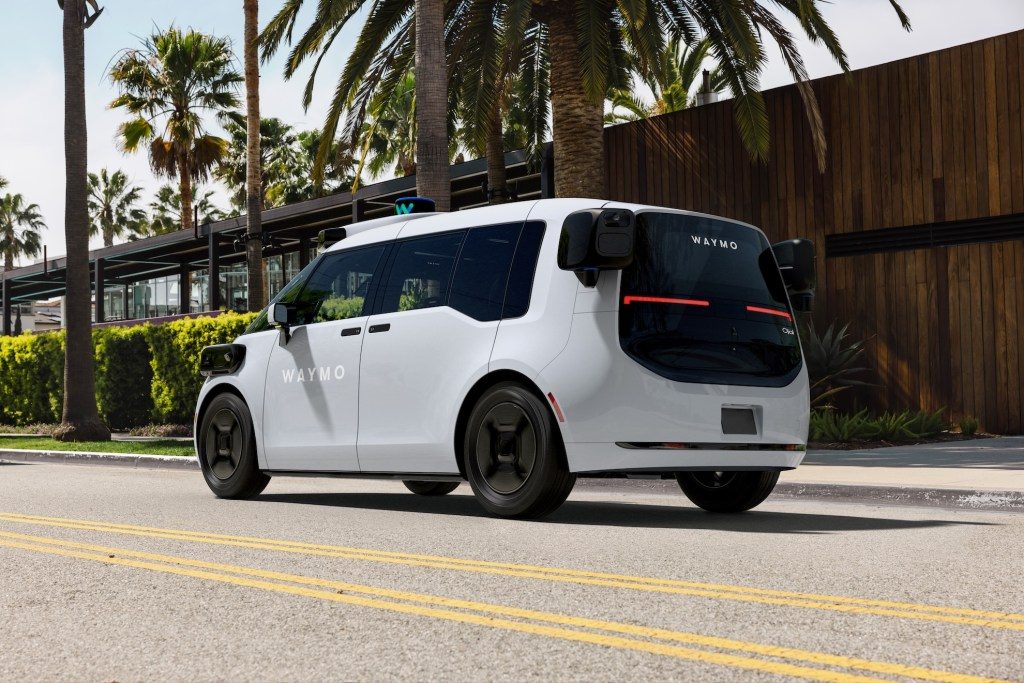
    Waymo invites first public riders in its 15th market, launching with dozens of Ojai minivans.

  2. Nevada approves paid robotaxi service for three companies

    Regulatory

    Nevada Transportation Authority allows Waymo, Tesla, and Uber to charge fares for driverless rides.

  3. Waymo employees begin ride testing across Las Vegas

    Testing

    Waymo validates its self-driving system on Las Vegas roads with employee riders.

Scenarios

1

Waymo scales its Las Vegas fleet past 500 vehicles

Likely Resolves by Mar 14, 2027

Discussed by: Industry observers tracking Waymo's 1,000-vehicle authorization in Clark County

Nevada authorized Waymo up to 1,000 vehicles in the county over a year. The company typically starts with dozens at launch, then expands the service area and fleet as demand holds. If the accessibility challenge fails and ridership is strong, Waymo opens service to all riders within one to two months, as it has in other markets, and works toward its full authorized fleet.

2

Nevada restricts Waymo over wheelchair accessibility

Possible Resolves by End of 2026

Discussed by: Disability rights advocates and Streetsblog coverage of Kelsey Brickl's petition

Brickl's emergency petition says Nevada law requires wheelchair-accessible vehicles on request and Waymo has no contract to provide them. The Nevada Transportation Authority initially suggested it need not respond to post-decision petitions, but state law allows reversal within 15 days of a decision. If the petition succeeds or regulators act, Waymo must arrange accessible rides or pause its expansion.

3

Tesla's Cybercab rollout in Las Vegas stalls

Likely Resolves by Sep 14, 2027

Discussed by: Tesla's Cybercab chief engineer Eric Early and Nevada Transportation Authority filings

Tesla is authorized for up to 5,000 robotaxis in Clark County, but its own engineer told regulators the company would be happy to reach 2,500 in a year. Tesla has a pattern of delayed robotaxi timelines and has not announced a Las Vegas launch date. If Tesla deploys far fewer than authorized while Waymo scales, Waymo keeps its lead in the city.

Historical Context

3 moments from history that rhyme with this story — and how they unfolded.

2014

Uber's fight with Nevada regulators (2014)

Uber launched ride-hailing in Las Vegas in 2014 without state approval. Nevada authorities issued a cease-and-desist, ticketed drivers, and sued the company, which kept operating while it fought in court.

Then

Nevada passed legislation in 2015 legalizing ride-hailing under new regulations, and Uber's operations continued.

Now

Nevada established a regulatory framework for app-based ride-hail that now governs robotaxis, from authorization caps to accessibility rules.

Why this matters now

The same state agency that fought Uber now writes the rules for driverless fleets, including the accessibility requirements at the center of the current challenge.

October 2020

Waymo Phoenix public launch (2020)

Waymo opened its fully driverless ride-hailing service to the general public in the Phoenix area in October 2020, after years of testing. Riders summoned vehicles through the Waymo One app, making Phoenix the first US city with a public driverless taxi service.

Then

Phoenix became the template for US robotaxi deployment, with Waymo gradually expanding its service area and vehicle count over years.

Now

Waymo built a fleet of more than 4,000 vehicles across 15 US markets using the same phased rollout.

Why this matters now

The Las Vegas launch follows the identical playbook — invite public riders on a rolling basis, then open to everyone — that Waymo refined in Phoenix and repeated in 13 other cities.

August-October 2023

Cruise's San Francisco suspension (2023)

GM's Cruise operated driverless taxis across San Francisco in 2023 after California approved 24-hour paid rides. In October 2023 a Cruise vehicle struck and dragged a pedestrian. Days later, state regulators suspended its driverless permit.

Then

Cruise halted all US operations, recalled its fleet, and its chief executive resigned.

Now

Cruise largely exited the market, leaving Waymo as the dominant US robotaxi operator and showing that regulators can reverse approvals quickly.

Why this matters now

It illustrates the regulatory risk in Las Vegas: Nevada authorized up to 7,000 robotaxis, but a single serious incident or an accessibility ruling could slow deployment.

Sources

(10)