

Pull to refresh
Logo
Salt Lake City's 1% arena sales tax lands on all purchases

Salt Lake City's 1% arena sales tax lands on all purchases

Rule Changes Salt Lake City, UT local

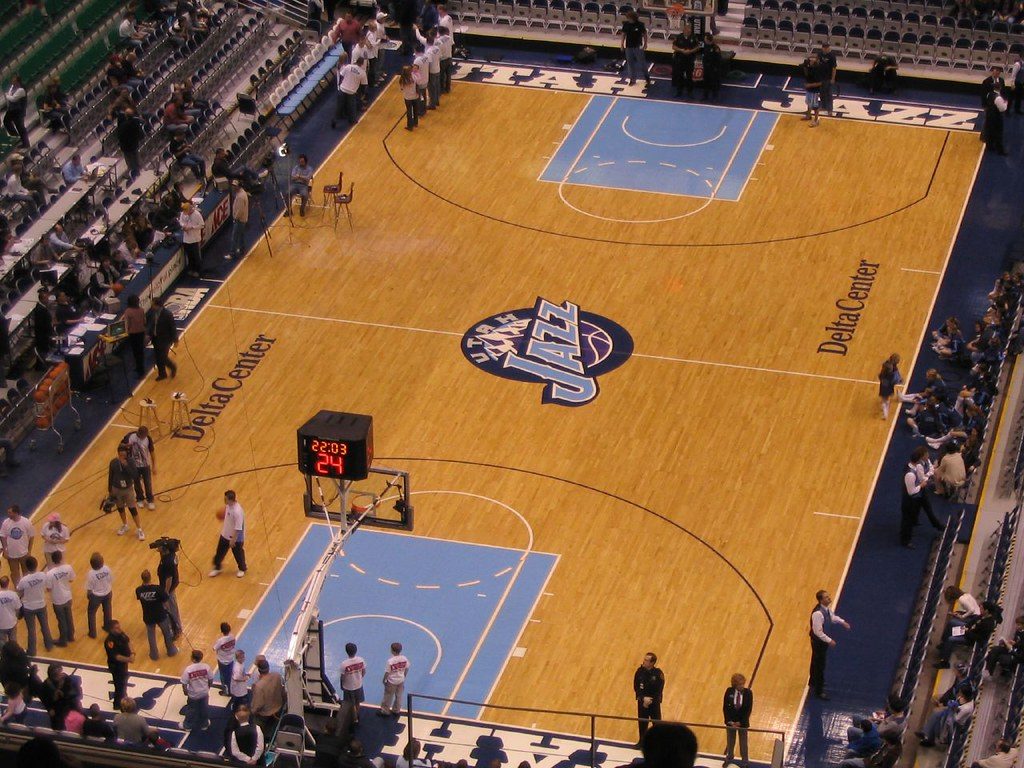
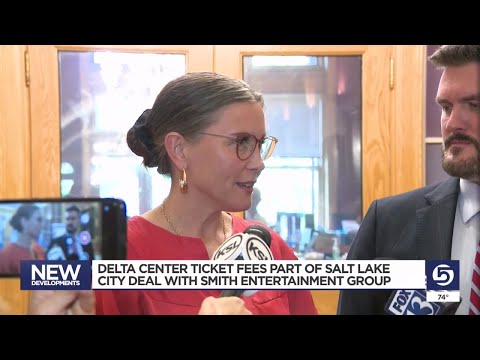
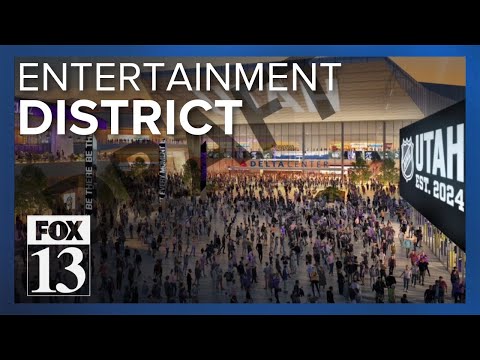
Delta Center renovations for the Jazz and Mammoth are funded by a citywide tax surcharge

Today: Residents report tax impact on car purchases

Overview

Updated 2 hours ago

Buying a $40,000 car in Salt Lake City now costs $400 more in sales tax. The extra cost comes from a 1% surcharge funding Delta Center renovations for two teams: the NBA's Utah Jazz and the NHL's Utah Mammoth, both owned by Qualtrics founder Ryan Smith.

The increase lands on every taxable purchase in the city, not just game tickets. Residents who oppose it call the tax regressive: working people who never attend a game subsidize a privately owned venue.

Why it matters

Every Salt Lake City purchase now costs 1% extra to fund a privately owned arena, a tax that hits residents who never attend a game.

Questions about this story

Free account needed to ask — your question is kept and asked for you right after sign-up. Answers are public.

No questions yet — be the first to ask.

Key Indicators

1%
Sales tax increase for arena district
Additional tax on purchases in Salt Lake City to fund Delta Center renovations.
$400
Extra tax on a $40,000 car purchase
Concrete example cited by a resident shopping for a vehicle in Salt Lake City.
8.45%
Combined Salt Lake City sales tax rate
Total rate including state, county, city, and transit components, per Utah Tax Commission data.

Voices

Curated perspectives — historical figures and your fellow readers.

Ever wondered what historical figures would say about today's headlines?

Sign up to generate historical perspectives on this story.

People Involved

Organizations Involved

Timeline

April 2024 September 2026

6 events Latest: Today
Tap a bar to jump to that date
  1. Residents report tax impact on car purchases

    Today Public Response

    Resident's car purchase shows 1% surcharge adds $400, extending the tax beyond tickets.

  2. 1% sales tax surcharge takes effect

    Policy

    Salt Lake City begins collecting higher rate, raising combined sales tax to 8.45%.

  3. Team adopts 'Utah Mammoth' name

    Naming

    NHL club announces permanent identity after one season as Utah Hockey Club.

  4. Salt Lake City Council approves surcharge

    Decision

    City council votes 1% sales tax raise for the arena district, without a public vote.

  5. Utah legislature passes arena financing

    Legislation

    Special session allows Salt Lake City to raise sales tax for Delta Center renovations.

  6. NHL approves Utah relocation

    Decision

    NHL approves Arizona Coyotes sale to Ryan Smith, relocating team to Salt Lake City.

Scenarios

1

Utah legislature rolls back Salt Lake City arena sales tax

Possible Resolves by Mar 15, 2027

Discussed by: Residents and downtown business owners quoted in Salt Lake Tribune and Deseret News coverage

Public complaints build through fall 2026. During the 2027 general session, lawmakers who backed the 2024 special-session deal respond to constituent pressure by repealing or shrinking the arena surcharge, shifting the funding gap to other sources or delaying parts of the renovation.

2

Delta Center renovations proceed as arena tax stays in place

Likely Resolves by End of 2027

Discussed by: Salt Lake City Council members and Smith Entertainment Group, which have defended the funding plan

The 1% surcharge remains in place. Renovations to the Delta Center proceed on schedule, with both the Jazz and Mammoth playing through construction. As the upgraded venue nears completion, public attention shifts to team performance and the district's other amenities, and the tax becomes a settled part of the city's rate structure.

3

Salt Lake City voters decide fate of 1% arena tax in referendum

Unlikely Resolves by Nov 7, 2027

Discussed by: Utah referendum law permits citizen challenges to city council tax decisions within 30 days

Opponents gather enough signatures to place the sales tax increase on the ballot. Voters decide whether to keep or reject the arena surcharge. A rejection would void the tax and force the city and team to find alternative funding or pause renovations.

Historical Context

3 moments from history that rhyme with this story — and how they unfolded.

2014 - January 2016

St. Louis Rams stadium funding failure (2014-2016)

St. Louis officials proposed a $400 million riverfront stadium to keep the NFL Rams. Public opposition and legislative resistance blocked the funding package, and the team moved to Los Angeles before the 2016 season.

Then

St. Louis lost its NFL franchise.

Now

The case became a cautionary tale for cities that reject public stadium funding, versus the risk of losing the team.

Why this matters now

Salt Lake City's choice to approve the tax avoided the St. Louis outcome, showing the leverage teams hold when threatening relocation.

June 2016 - August 2018

Milwaukee Bucks, Fiserv Forum (2016-2018)

Wisconsin lawmakers approved $250 million in public funding for a $524 million arena, using a special taxing district around the site. The Bucks had threatened to move to Seattle. The funding included a 30-year lease commitment.

Then

Fiserv Forum opened in 2018 and hosted the Bucks' 2021 NBA championship.

Now

The deal blended public subsidy with binding team commitments, a structure Salt Lake City's plan partially mirrors.

Why this matters now

Shows a mixed model where public money funded an arena but included a lease guarantee tying the team to the city long-term.

March 2017 - September 2020

Las Vegas Raiders, Allegiant Stadium (2017-2020)

Clark County raised hotel room taxes by 0.88% to fund $750 million in public bonds for a $1.9 billion stadium, without a direct public vote. The NFL's Oakland Raiders relocated to Las Vegas.

Then

Stadium opened in 2020, hosting the Raiders and UNLV football.

Now

The tax model faced ongoing criticism but established a template for financing private stadiums through indirect taxes like hotel stays.

Why this matters now

Like Salt Lake City, Las Vegas used a broad-based tax surcharge to fund a privately owned arena for a relocating team, sidestepping a direct vote.

Sources

(5)

More from Salt Lake City, UT

Openings, permits and council decisions in Salt Lake City, UT, in your inbox every Monday.