

Pull to refresh
Logo
Samsung's cash pile passes 200 trillion won as foreign ownership hits 17-year low

Samsung's cash pile passes 200 trillion won as foreign ownership hits 17-year low

Money Moves

Record chip profits built a reserve no Korean company has held before, while overseas investors sold.

Overview

Updated Yesterday

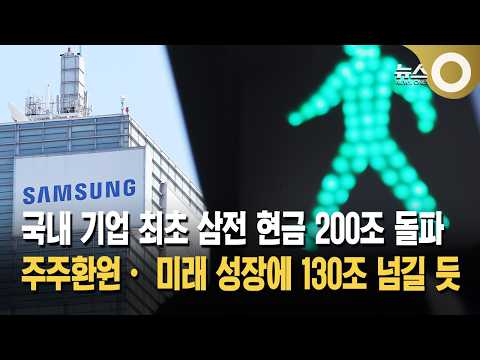
Samsung Electronics ended September 2026 holding 214.8 trillion won in cash and short-term investments, the first time a South Korean company has passed 200 trillion won. The total rose 24.8 trillion won in three months and nearly doubled from 108.5 trillion won a year earlier. An artificial-intelligence chip boom produced the surplus.

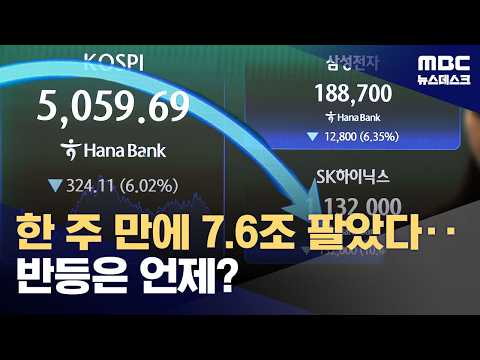
In the same week, foreign investors sold 7.6 trillion won of Samsung and SK hynix shares. Samsung's foreign ownership fell to 45.95 percent, its lowest since July 2009, and the stock dropped 16.13 percent over five sessions. The company now has to decide how much of its cash goes to new chip plants and how much goes back to shareholders.

Why it matters

Samsung's spending and buyback choices set the pace for global memory chip supply and for Korea's benchmark stock index.

Questions about this story

Free account needed to ask — your question is kept and asked for you right after sign-up. Answers are public.

No questions yet — be the first to ask.

Key Indicators

₩214.8T
Samsung cash and short-term investments
End of September 2026, up 24.8 trillion won from the prior quarter.
45.95%
Foreign ownership of Samsung
As of November 6, 2026, the lowest since July 2009.
₩7.6T
Foreign net sales of Samsung and SK hynix
Five trading sessions from November 2 to November 6, 2026.
₩55T–₩75T
Remaining 2026 shareholder returns
Out of a 90 trillion to 110 trillion won target, after 35 trillion won paid or committed.
₩84.4T
Planned 2026 capital spending
Up from 52.7 trillion won in 2025; the previous record was 53.6 trillion won in 2024.
16.13%
Samsung share decline
From 225,000 won on October 30 to 188,700 won on November 6, 2026.

Voices

Curated perspectives — historical figures and your fellow readers.

Sign up to generate historical perspectives on this story.

Organizations Involved

Timeline

September 2025 November 2026

7 events Latest: Yesterday
Tap a bar to jump to that date
  1. Samsung cash tops 200 trillion won for first time

    Latest Financial

    Industry data put cash and short-term investments at 214.8 trillion won.

  2. SK hynix cash reaches 114.5 trillion won

    Financial

    Combined cash at the two chip makers totals 329.3 trillion won.

  3. Samsung foreign ownership hits 17-year low

    Market

    Ownership falls to 45.95 percent; shares close at 188,700 won, down 16.13 percent.

  4. KOSPI falls 6.02 percent to 5,059.69

    Market

    A circuit breaker halts trading for 20 minutes shortly after the open.

  5. Foreign selling accelerates across Korean chip stocks

    Market

    Over five sessions, foreigners sell about 10.4 trillion won of KOSPI shares.

  6. Samsung files preliminary third-quarter results

    Financial

    Operating profit reported at 107.44 trillion won on revenue of 195.25 trillion won.

  7. Samsung cash sits at 108.5 trillion won

    Financial

    The year-earlier baseline before the AI memory boom accelerated.

Scenarios

1

Samsung returns the full 110 trillion won to shareholders

Likely Resolves by Feb 28, 2027

Discussed by: JoongAng Daily, citing industry observers

Samsung has already paid or committed 35 trillion won in 2026. Industry observers cited by JoongAng Daily said cash flow could support the remaining 75 trillion won through buybacks and dividends, bringing the total to the top of its 90 trillion to 110 trillion won target.

2

Foreign ownership of Samsung falls below 45 percent

Possible Resolves by Q1 2027

Discussed by: Seoul Economic Daily and Chosunbiz

Foreign investors sold 7.6 trillion won of Samsung and SK hynix shares in the first week of November 2026. If selling continues, Samsung's foreign ownership, at 45.95 percent on November 6, could drop below 45 percent for the first time since 2009.

3

Samsung buys back preferred shares as discount widens

Possible Resolves by Q1 2027

Discussed by: JoongAng Daily

JoongAng Daily reported Samsung plans to consider buying more preferred shares after their discount to common shares widened. A buyback would use part of the 55 trillion to 75 trillion won left in the 2026 return budget.

Historical Context

3 moments from history that rhyme with this story — and how they unfolded.

2012–2018

Apple's cash pile and buyback era (2012–2018)

Apple accumulated a large offshore cash balance from iPhone sales. Facing pressure from investors including Carl Icahn, it began paying dividends and buying back stock in 2012, eventually issuing debt to fund buybacks rather than paying US taxes to bring cash home.

Then

Buybacks supported Apple's share price through a stretch of slower revenue growth.

Now

Apple became the model for large technology companies converting cash reserves into shareholder returns.

Why this matters now

Samsung faces the same question: whether a record cash pile funds growth or buybacks.

2018–2019

Memory chip downturn (2018–2019)

Memory prices fell sharply in late 2018 after a two-year boom, and Samsung's semiconductor profits dropped. The company kept building new plants, betting that demand would return.

Then

Chip earnings fell for several quarters.

Now

The episode set the boom-and-bust spending pattern that still shapes the memory industry.

Why this matters now

Samsung's 84.4 trillion won capital plan bets that the AI-driven boom outlasts past cycles.

1997

Asian financial crisis in South Korea (1997)

Foreign capital fled South Korea as the won fell and dollar reserves ran short. Seoul turned to the International Monetary Fund for a bailout, and foreign ownership of Korean companies rose as asset prices dropped.

Then

Korean firms restructured under severe financial pressure.

Now

Foreign investors became a permanent and influential part of the Korean stock market.

Why this matters now

It shows how quickly foreign ownership in Korea can swing and how capital flight can reshape corporate control.

Sources

(9)