
Pull to refresh
Logo
Waymo steers around San Diego flood zones as king tides set a record

Waymo steers around San Diego flood zones as king tides set a record

New Capabilities San Diego, CA local

The robotaxi operator restricted service in low-lying areas after La Jolla's tide hit 8.11 feet, two days after pausing San Francisco for the same event

Overview

Updated Yesterday

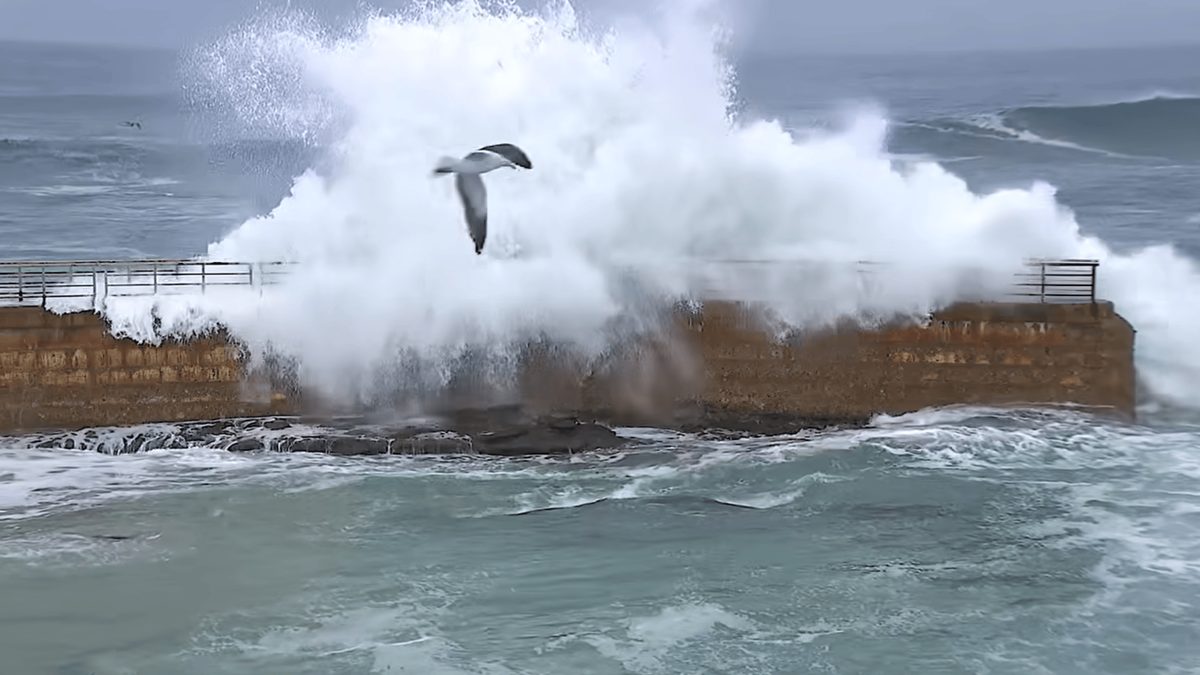
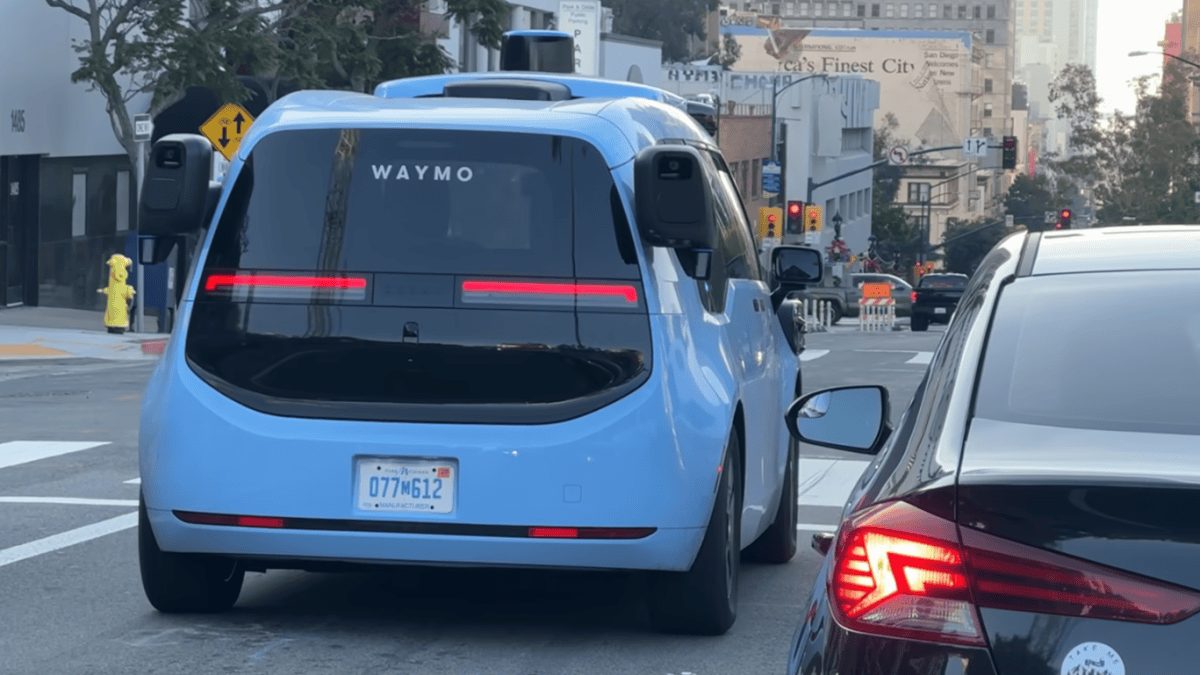
Waymo's driverless cars stopped serving flood-prone streets in San Diego on Wednesday, as king tides pushed the water at La Jolla to a record 8.11 feet. The city confirmed the arrangement and called it a targeted avoidance of flood-prone areas for passenger safety. Two days earlier, Waymo had paused its San Francisco service for the same tide event.

The restriction is a decision a human driver makes without thinking and a robotaxi has to be instructed to make. Every avoided street is a block where a rider cannot be picked up, and Waymo has not said when the avoidance ends. The National Weather Service forecasts coastal flooding through Friday.

Why it matters

Driverless fleets are sold as always-on. A tide forecast can shrink their service area overnight, and riders find out block by block.

Last Monday's email for San Diego, CA

Sent Nov 23. It carried:

Get next Monday's: one short email a week. Free. Unsubscribe in one click.

Questions about this story

Free account needed to ask — your question is kept and asked for you right after sign-up. Answers are public.

No questions yet — be the first to ask.

Key Indicators

8.11 ft
Record high tide at La Jolla
Measured Wednesday morning by the National Weather Service, the highest on record for the station.
2
California cities where Waymo adjusted service
San Francisco paused Monday; San Diego avoidance areas began Wednesday.
3
Days of forecast coastal flooding
City officials expect flood risk through Friday.
6-8 ft
Surf height forecast for Wednesday
The Weather Service expects high surf to combine with king tides to drive flooding and beach erosion.

Voices

Curated perspectives — historical figures and your fellow readers.

Sign up to generate historical perspectives on this story.

Organizations Involved

Timeline

2 events Latest: 2 days ago
  1. La Jolla tide hits record 8.11 feet

    Latest Weather

    The National Weather Service recorded the station's highest tide as San Diego confirmed Waymo's flood-zone avoidance.

  2. Waymo pauses San Francisco service for king tides

    Operations

    The company halted rides in San Francisco as high tides and flooding hit the city.

Scenarios

1

Waymo lifts San Diego avoidance areas once the tide window closes

Likely Resolves by Dec 4, 2026

Discussed by: City of San Diego officials and Waymo's own statements, which frame the restriction as temporary

Forecasts put coastal flooding through Friday. If the tides recede on schedule and no new system follows, Waymo's operations team removes the avoidance areas and San Diego service returns to its normal footprint within days. The company has not given an end date, so the trigger is the weather clearing rather than any announced plan.

2

Flooding extends the restrictions past Thanksgiving week

Possible Resolves by Dec 15, 2026

Discussed by: National Weather Service forecasts, which extend high surf into the weekend

The Weather Service expects 5 to 8 feet of surf Friday and Saturday, after Wednesday's 6 to 8 feet. If water stays on the roads or another high-tide cycle arrives, Waymo keeps or widens the avoidance areas, and riders in coastal neighborhoods lose pickup and drop-off points for longer than the three forecast days.

3

Tide forecasts become a standing rule in robotaxi routing

Unlikely Resolves by Q2 2027

Discussed by: No operator has announced this; it is the logical next step from repeated weather-driven pullbacks

Waymo has now adjusted service in two California cities for one tide event. If coastal flooding recurs, the company could encode tide and flood thresholds into routing permanently rather than issuing one-off avoidance areas. That would mean some addresses become unreachable on a predictable schedule, which riders and cities would notice.

Historical Context

3 moments from history that rhyme with this story — and how they unfolded.

August 2011

New York subway shutdown before Hurricane Irene (2011)

With Hurricane Irene approaching, New York City ordered the entire subway system closed for the first time because of weather, idling more than 400 miles of track and millions of daily riders. The storm arrived weaker than forecast, and officials were criticized for the cost of the shutdown.

Then

The system reopened within days and the feared tunnel flooding largely did not materialize.

Now

Preemptive shutdown before a forecast event became the standard playbook, reused for Hurricane Sandy and later storms.

Why this matters now

Waymo's avoidance areas are the same kind of bet: accept certain lost service now to prevent a worse failure later, with the risk that the forecast overshoots.

October 2012

Hurricane Sandy floods New York's subway tunnels (2012)

Sandy pushed seawater into the subway tunnels and stations, submerging signal equipment and forcing the longest weather-related service outage in the system's history. Parts of the network took weeks to restore.

Then

Limited service returned within days; full restoration took weeks and cost billions.

Now

The agency built flood barriers and hardened entrances, and preemptive closure before the storm was treated as validated.

Why this matters now

It shows why operators err toward caution: once water is in a system, the recovery cost dwarfs the cost of stopping early.

October 2020

Venice's MOSE barriers first raised (2020)

After decades of construction and delay, Venice raised its MOSE flood barriers for the first time to hold back an unusually high tide rather than let water into the city.

Then

The city center stayed dry through several high-tide events that autumn.

Now

The barriers became a routine, forecast-triggered response to specific tide heights rather than an emergency measure.

Why this matters now

Tide predictions are now precise enough to trigger specific, temporary actions. Waymo's avoidance areas are that model applied to a street network instead of a lagoon.

Sources

(2)