



Pull to refresh
Logo
Seattle bans grocery 'surveillance pricing' based on personal data

Seattle bans grocery 'surveillance pricing' based on personal data

Rule Changes

First US city to prohibit AI-driven personalized pricing; ordinance takes effect September 2027

Yesterday: Seattle City Council votes 7-2 to ban surveillance pricing

Overview

Updated 1 hour ago

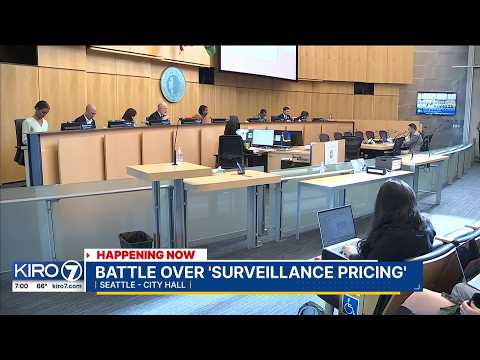
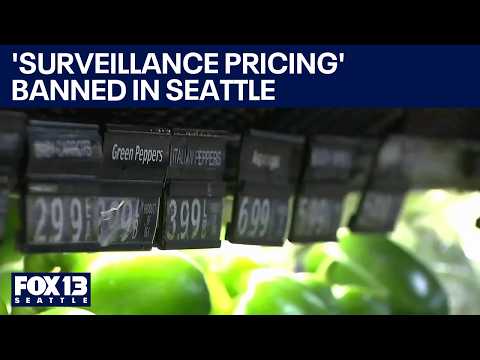
Seattle's City Council voted 7-2 on Tuesday to ban 'surveillance pricing' — using shoppers' personal data to set individualized grocery prices. The ordinance applies to grocery chains with 20 or more locations worldwide, plus delivery services.

The law follows a 2025 Consumer Reports investigation that found the same groceries cost different shoppers up to 23% more. It now heads to Mayor Katie Wilson, who championed it, and takes effect September 1, 2027.

Why it matters

If the ban holds, large grocers can't use your browsing history, location, or income data to charge you more for the same groceries.

Questions about this story

Free account needed to ask — your question is kept and asked for you right after sign-up. Answers are public.

No questions yet — be the first to ask.

Key Indicators

7-2
City Council vote
Council passed the ordinance 7-2 on September 22, 2026.
23%
Max price gap found
Consumer Reports' 2025 investigation found the same groceries cost different shoppers up to 23% more.
$1M
Max penalty per lawsuit
The ordinance lets anyone claiming harm sue for up to $1 million in penalties.
20+
Store threshold
Applies to grocery chains with 20 or more retail locations globally.

Voices

Curated perspectives — historical figures and your fellow readers.

Ever wondered what historical figures would say about today's headlines?

Sign up to generate historical perspectives on this story.

People Involved

Organizations Involved

Timeline

June 2025 September 2027

4 events Latest: Yesterday
Tap a bar to jump to that date
  1. Ordinance takes effect

    Upcoming Legislation

    The ban on algorithmic-based price discrimination becomes enforceable under Seattle Municipal Code Chapter 7.35.

  2. Seattle City Council votes 7-2 to ban surveillance pricing

    Latest Legislation

    Council passed CB 121267, the Fair Pricing and Transparency Act, banning algorithmic price discrimination in grocery sales.

  3. City staff warn of enforcement workload

    Statement

    At committee meetings, city staff warned the law could create a significant workload for the city attorney's office.

Scenarios

1

Seattle's grocery ban takes effect as written

Likely Resolves by Sep 1, 2027

Discussed by: Consumer Reports, city officials

Mayor Wilson signs the ordinance, and it takes effect September 1, 2027, as scheduled. Large grocers either comply by dropping personalized pricing or cancel loyalty programs to avoid legal exposure. The ban becomes a template for other cities.

2

Grocery chains sue to block the ban

Possible Resolves by End of 2027

Discussed by: The Seattle Times, industry analysts

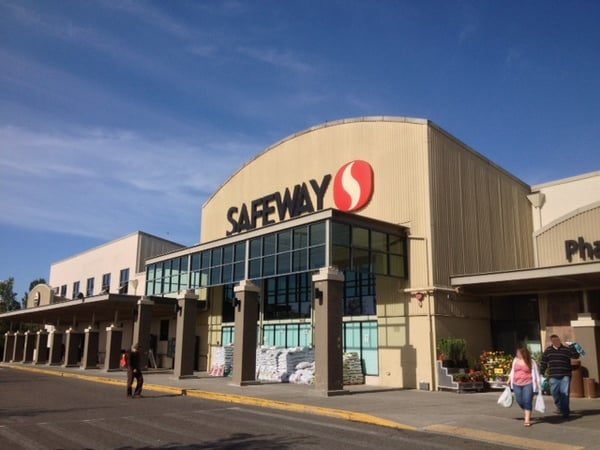
A major chain like Safeway or Kroger files suit in King County Superior Court, arguing the ordinance is vague, overbroad, or preempted by state law. The broad liability language — anyone claiming 'tangible or intangible harm' can sue for up to $1 million — gives plaintiffs' lawyers a target.

3

Washington state passes a statewide version

Possible Resolves by Q2 2028

Discussed by: Councilmember Maritza Rivera

Rivera argued the issue belongs at the state level. A statewide law could extend the ban beyond Seattle or preempt it with weaker rules. The 2027-2028 legislative session is the window.

Historical Context

2 moments from history that rhyme with this story — and how they unfolded.

June 1936

Robinson-Patman Act (1936)

Congress passed the Robinson-Patman Act to ban price discrimination that harmed competition — charging different buyers different prices for the same goods. It targeted chain stores undercutting independent retailers.

Then

The law made it illegal to sell the same product to different buyers at different prices when it reduced competition.

Now

Enforcement faded over decades, but it remains the foundational US law against price discrimination.

Why this matters now

Seattle's ordinance is a modern, data-driven extension of the same idea: the same groceries should cost the same regardless of who the buyer is.

June 2018

California Consumer Privacy Act (2018)

California passed the CCPA, the first comprehensive state privacy law, giving residents the right to know what data companies collect and to opt out of its sale.

Then

Companies overhauled data practices to comply.

Now

It became the template for privacy laws in other states and influenced national debates.

Why this matters now

Like the CCPA, Seattle's ordinance is a first-of-its-kind local law that could become a model for other cities and states.

Sources

(10)