

Pull to refresh
Logo
FDA clears T-MAXIMUM's off-the-shelf CAR-T MT027 for Phase 2 brain metastasis study

FDA clears T-MAXIMUM's off-the-shelf CAR-T MT027 for Phase 2 brain metastasis study

New Capabilities

Second Phase 2 clearance for the B7-H3-targeted therapy, after recurrent glioblastoma

Today: FDA clears MT027 for Phase 2 in brain metastases from lung and breast cancer

Overview

Updated 57 minutes ago

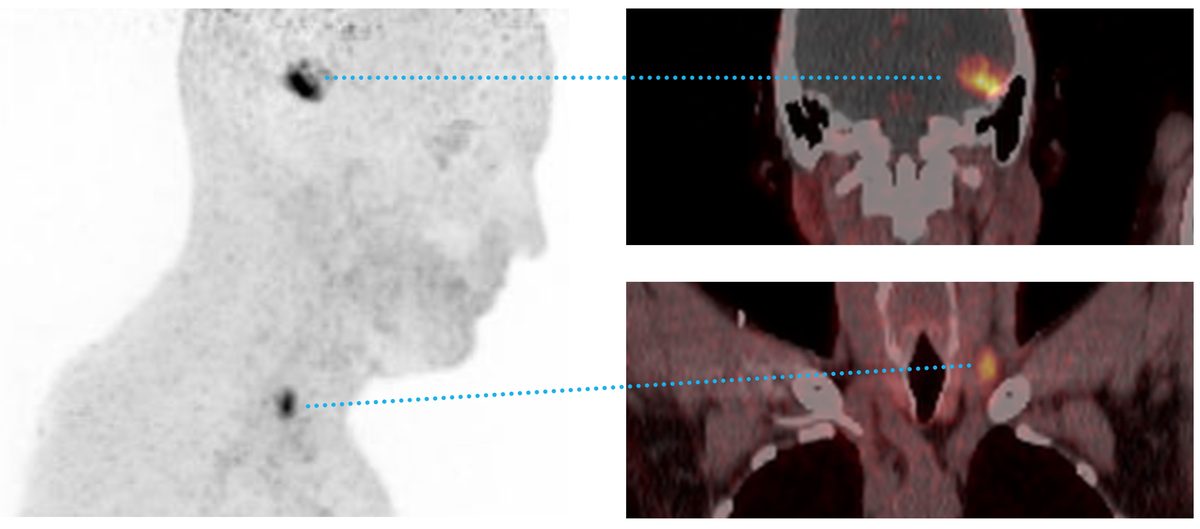
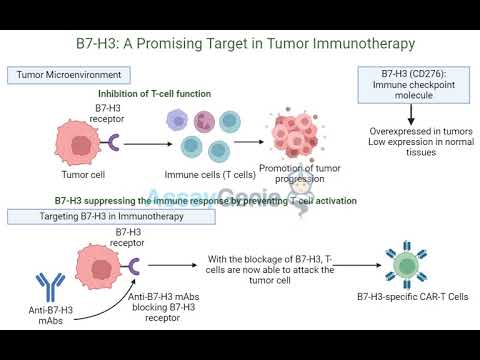
The FDA cleared T-MAXIMUM's off-the-shelf CAR-T, MT027, for a Phase 2 trial in brain metastases from lung and breast cancer. It's the second Phase 2 clearance for the therapy, which targets the tumor protein B7-H3 and is delivered directly into the brain.

MT027 is allogeneic — built from healthy donor cells, not a patient's own — and made with a non-viral gene-editing process. If it works, it would be the first CAR-T validated for intracranial solid tumors, where systemic drugs often can't cross the blood-brain barrier.

Why it matters

An off-the-shelf CAR-T that works in the brain could open cell therapy to millions of cancer patients it currently can't reach.

Questions about this story

Free account needed to ask — your question is kept and asked for you right after sign-up. Answers are public.

No questions yet — be the first to ask.

Key Indicators

2
FDA-cleared Phase 2 programs for MT027
Recurrent glioblastoma and brain metastases from lung and breast cancer.
80%
Objective response rate in same-platform MT026 trial
One complete and three partial responses among five patients with recurrent high-grade glioma.
~20%
Cancer patients who develop brain metastases
Rising to 20-40% among those with advanced solid tumors.

Voices

Curated perspectives — historical figures and your fellow readers.

Ever wondered what historical figures would say about today's headlines?

Sign up to generate historical perspectives on this story.

People Involved

Organizations Involved

Timeline

January 2025 October 2026

7 events Latest: Today
Tap a bar to jump to that date
  1. FDA clears MT027 for Phase 2 in brain metastases from lung and breast cancer

    Today Regulatory

    Second Phase 2 clearance for MT027, establishing a dual-indication portfolio covering primary and metastatic intracranial solid tumors.

  2. MT027 brain metastasis data presented at WCLC 2026

    Clinical Trial

    Preliminary data in refractory lung cancer brain metastases: two partial responses among three evaluable patients, no Grade 3+ adverse events, no graft-versus-host disease.

  3. Same-platform MT026 data published in Nature Communications

    Publication

    Investigator-initiated trial of MT026, built on the same platform, shows an 80% objective response rate in recurrent high-grade glioma across five patients.

  4. FDA grants MT027 Orphan Drug Designation

    Regulatory

    Designation brings tax credits, application-fee exemptions, and potential seven-year US marketing exclusivity.

  5. FDA clears MT027 for Phase 2 in recurrent glioblastoma

    Regulatory

    First Phase 2 clearance for MT027, in recurrent glioblastoma, described by the company as among the hardest settings for cell therapy in solid tumors.

  6. FDA grants MT027 Fast Track designation

    Regulatory

    Fast Track status enables more frequent FDA meetings and eligibility for rolling review and accelerated approval.

  7. Phase I trial of MT027 registered

    Clinical Trial

    ClinicalTrials.gov lists a dose-escalating Phase I trial of MT027 for brain, meninges, and spinal cord metastatic solid tumors.

Scenarios

1

MT027 brain metastasis Phase 2 posts positive results, T-MAXIMUM advances toward pivotal trial

Possible Resolves by End of 2028

Discussed by: T-MAXIMUM's momentum and the 80% ORR in the same-platform MT026 study

If the Phase 2 study shows meaningful intracranial response rates with the favorable safety profile seen in early data, T-MAXIMUM would have a case for a pivotal trial or accelerated approval. The 80% ORR in the same-platform MT026 trial in recurrent glioma — albeit in only five patients — sets the expectation.

2

FDA grants MT027 Breakthrough Therapy designation for brain metastases

Possible Resolves by End of 2028

Discussed by: Prior Orphan Drug and Fast Track designations; B7-H3 validation across other modalities

Early positive Phase 2 data could prompt T-MAXIMUM to request Breakthrough Therapy designation, which would shorten development time and enable rolling review. The B7-H3 target is already validated in other formats — Hansoh Pharmaceutical's HS-20093 met its primary endpoint in an osteosarcoma Phase III study in July 2026.

3

MT027 brain metastasis trial stalls or shows limited intracranial activity

Unlikely Resolves by End of 2028

Discussed by: History of CAR-T disappointments in solid tumors

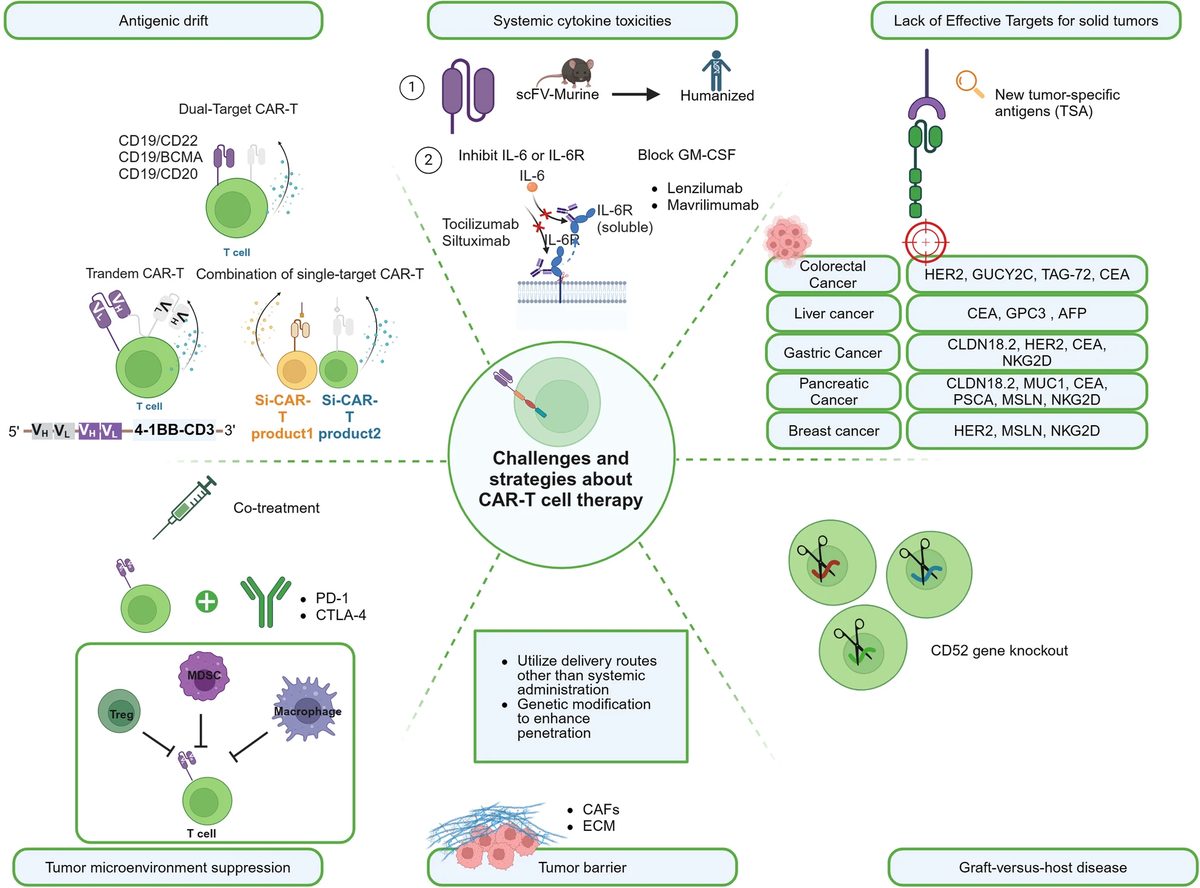
Brain metastasis patients are heavily pretreated and often debilitated, complicating enrollment. Intracranial delivery is technically demanding, and the tumor microenvironment can suppress immune activity. The concurrent glioblastoma Phase 2 also competes for patients and resources, and the B7-H3 target itself may cap efficacy.

Historical Context

3 moments from history that rhyme with this story — and how they unfolded.

August 2017

Kymriah approval (2017)

The FDA approved Novartis's Kymriah (tisagenlecleucel), the first CAR-T therapy, for children and young adults with relapsed B-cell acute lymphoblastic leukemia. Each dose was manufactured from the patient's own T cells, a process taking weeks.

Then

Kymriah and later CAR-Ts transformed blood-cancer treatment with high response rates in patients who had exhausted other options.

Now

The autologous model's cost and manufacturing time drove a push for off-the-shelf, allogeneic alternatives and for extending CAR-T beyond blood cancers.

Why this matters now

MT027 is an allogeneic CAR-T aimed at the two limits Kymriah exposed: manufacturing time and solid-tumor efficacy.

December 2016

IL13Rα2 CAR-T case at City of Hope (2016)

City of Hope researchers reported in the New England Journal of Medicine a patient with recurrent glioblastoma who showed complete regression of intracranial tumors after receiving IL13Rα2-targeted CAR-T delivered directly into the brain ventricles.

Then

The case demonstrated that locally delivered CAR-T could shrink solid brain tumors, but it remained a single-patient proof rather than a repeatable therapy.

Now

It seeded a wave of intracranial delivery trials in glioma and other brain tumors.

Why this matters now

T-MAXIMUM is attempting to make local intracranial CAR-T delivery repeatable and scalable, using an off-the-shelf product across glioblastoma and brain metastases.

2017-2024

CAR-T's solid-tumor struggle (2017-2024)

After blood-cancer successes, dozens of CAR-T trials in solid tumors — breast, lung, pancreatic, melanoma — showed limited efficacy. Hostile tumor microenvironments, immunosuppression, and target heterogeneity stymied the approach.

Then

The field turned to new targets like B7-H3 and HER2 and to delivery strategies such as local injection and armored CARs.

Now

B7-H3 has since drawn antibody-drug conjugates, antibody therapeutics, and cell therapies into active development.

Why this matters now

MT027's B7-H3 target and local intracranial delivery are this pivot in action, applied to an indication CAR-T has not yet reached at scale.

Sources

(4)