

Pull to refresh
Logo
Solar system's first bodies built mostly from heat-forged rock, not ice

Solar system's first bodies built mostly from heat-forged rock, not ice

New Capabilities

Iron meteorite chemistry reveals earliest planetesimals were 83-92% chondrules with just 8-17% icy dust

Today: Iron meteorites show earliest bodies favored rock over ice

Overview

Updated 1 hour ago

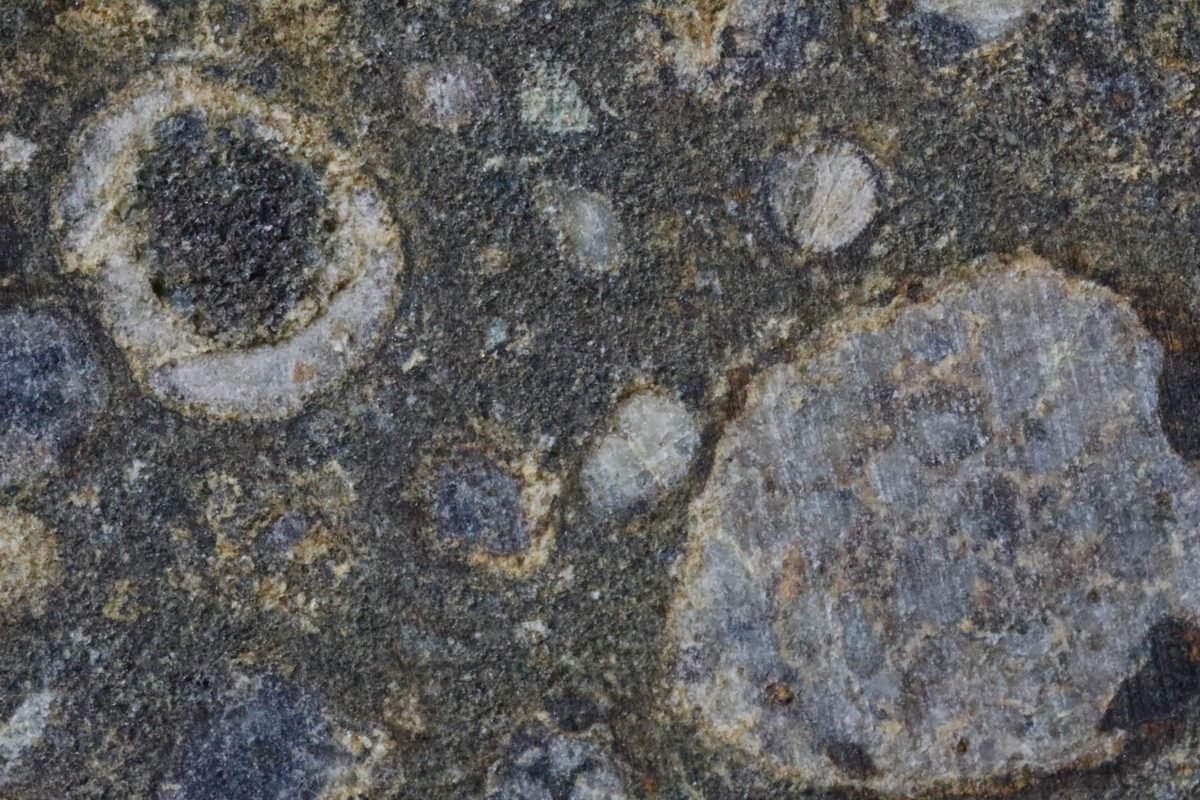
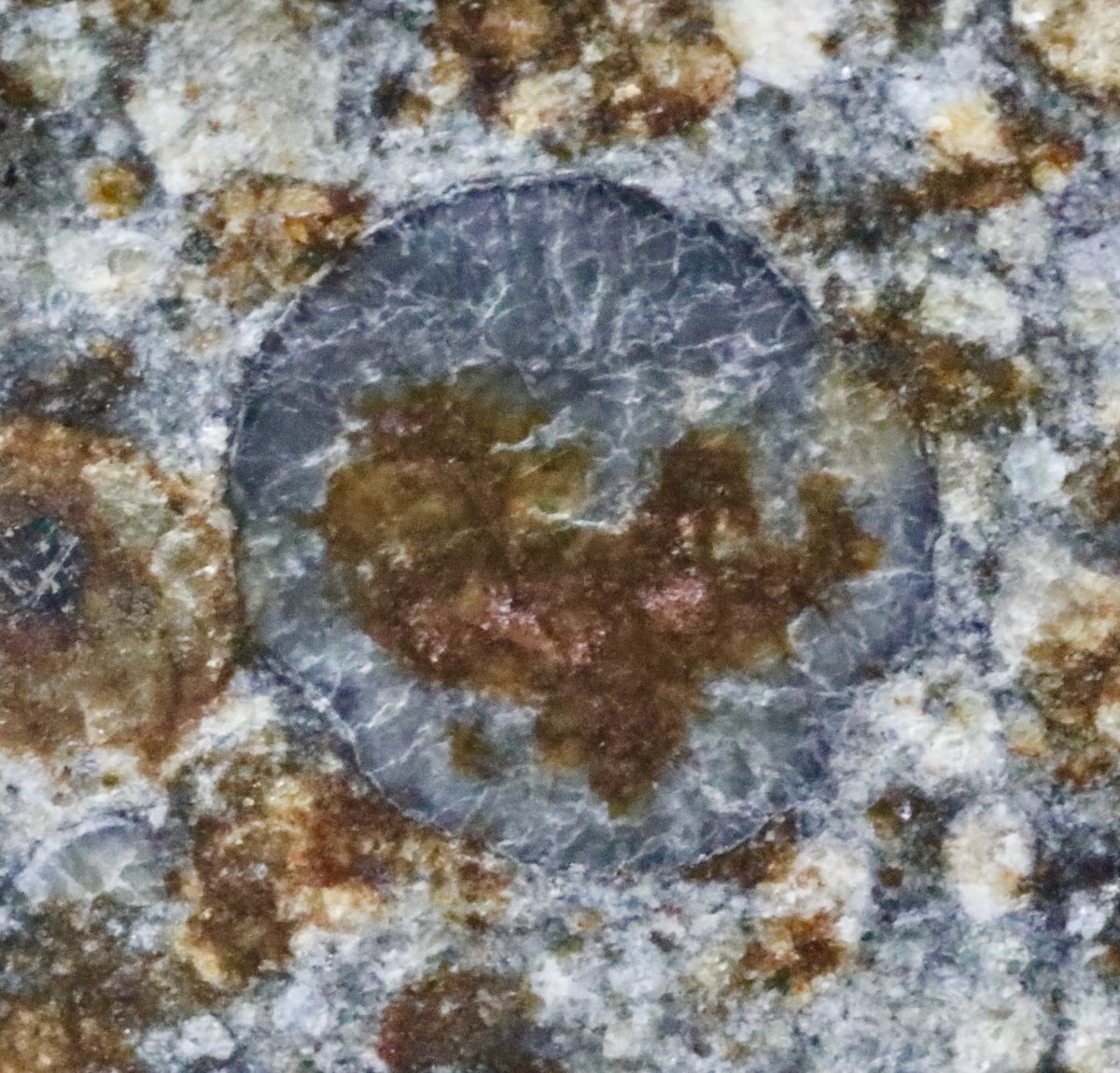
The solar system's first solid bodies were built mostly from heat-forged rock, not ice. Chemical tracers in ancient iron meteorites show the earliest planetesimals were 83% to 92% chondrules, with only 8% to 17% of the fine, ice-rich dust scientists call matrix.

The finding pushes this selective sorting back to within the first million years of solar system formation. Earlier research traced the pattern only in bodies that formed 2 to 4 million years later, and isotope-based estimates had suggested far more matrix.

Why it matters

When Earth got its water depends on when icy material entered planet building; this study says ice arrived late, not at the start.

Questions about this story

Free account needed to ask — your question is kept and asked for you right after sign-up. Answers are public.

No questions yet — be the first to ask.

Key Indicators

83-92%
Chondrule share of earliest bodies
Fraction of the first planetesimals built from heat-forged rock beads, reconstructed from iron meteorite chemistry.
8-17%
Matrix share of earliest bodies
Fraction of fine, ice-rich dust in the same bodies; lower than any known chondrite.
25-97%
Earlier isotope-based matrix estimates
Previous nucleosynthetic isotope studies suggested far higher matrix fractions in early bodies.

Voices

Curated perspectives — historical figures and your fellow readers.

Ever wondered what historical figures would say about today's headlines?

Sign up to generate historical perspectives on this story.

People Involved

Organizations Involved

Timeline

1 event Latest: Today
  1. Iron meteorites show earliest bodies favored rock over ice

    Today Discovery

    Yale-led study in Nature Astronomy uses sulfur and iron-oxidation tracers to show the first planetesimals were 83-92% chondrules and only 8-17% matrix.

Scenarios

1

Confirming studies lock in the finding

Likely Resolves by Q3 2028

Discussed by: Planetary science community at Yale, Princeton, Max Planck Institute

Independent teams analyze additional iron meteorites or develop new chemical tracers to test whether the 83-92% chondrule fraction holds across more early bodies. Confirmation would make matrix-poor early planetesimals a standard assumption in planet formation models.

2

Tracer method challenged, finding revised

Possible Resolves by Q3 2028

Discussed by: Researchers who previously published isotope-based estimates of 25-97% matrix

Critics argue sulfur content and iron oxidation state do not cleanly separate matrix from chondrule contributions, possibly because chondrules inherit matrix-like chemical signatures or melting altered the tracers. A successful challenge would revise the matrix fraction upward and reopen the question of when sorting began.

3

Sorting mechanism integrated into formation models

Likely Resolves by End of 2028

Discussed by: Planetesimal formation modelers, including streaming instability researchers

Simulation studies incorporate gas-drag size sorting, where fine matrix grains travel with the nebular gas while larger chondrules concentrate in pressure bumps and collapse into planetesimals. Published models would explain why early bodies were matrix-poor and when icy material entered planet building.

Historical Context

2 moments from history that rhyme with this story — and how they unfolded.

1970s-2000s

Aluminum-26 melting of early planetesimals (1970s-2000s)

Researchers established that the short-lived radioactive isotope aluminum-26 was abundant in the early solar system and generated enough heat to melt the first planetesimals completely. Metal sank to form cores, erasing all physical traces of the original material.

Then

Asteroid cores survived as iron meteorites while their original structure was destroyed.

Now

Scientists seeking to learn what the first bodies were made of had to rely on indirect chemical evidence rather than intact samples.

Why this matters now

This melting is why the Yale team used sulfur and iron-oxidation tracers in meteorite cores to reconstruct original compositions.

2000s-present

Late veneer hypothesis for Earth's water (2000s)

The late veneer hypothesis proposed that Earth's water and volatile elements arrived late in its formation, delivered by asteroid or comet impacts after the planet's core had formed, rather than being incorporated during the earliest accretion.

Then

The hypothesis became a leading explanation for Earth's volatile budget.

Now

It framed the question of when icy material became a significant building block in the solar system.

Why this matters now

This study supports the hypothesis, showing the earliest bodies were dry and that icy material only became significant 2-4 million years after solar system formation.

Sources

(5)