
Pull to refresh
Logo
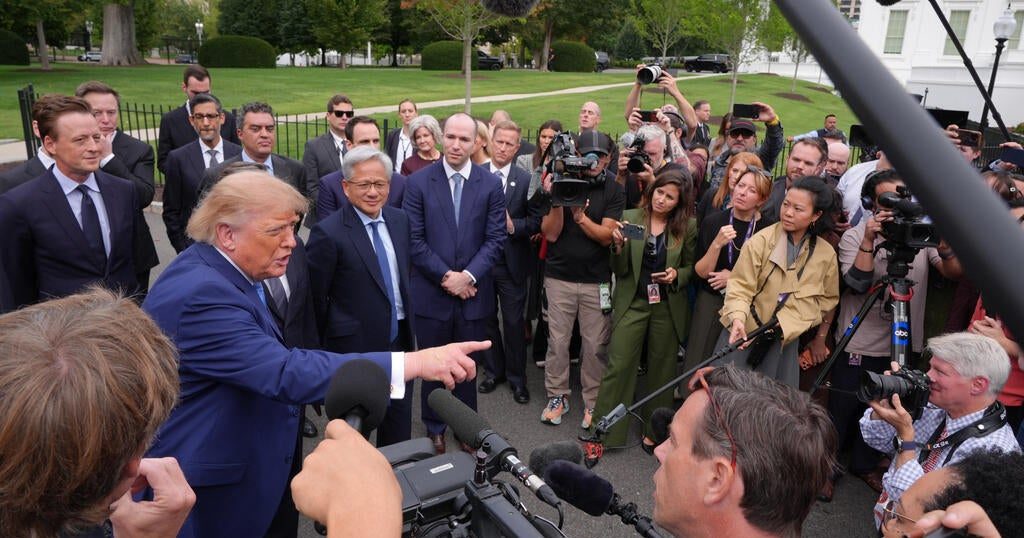
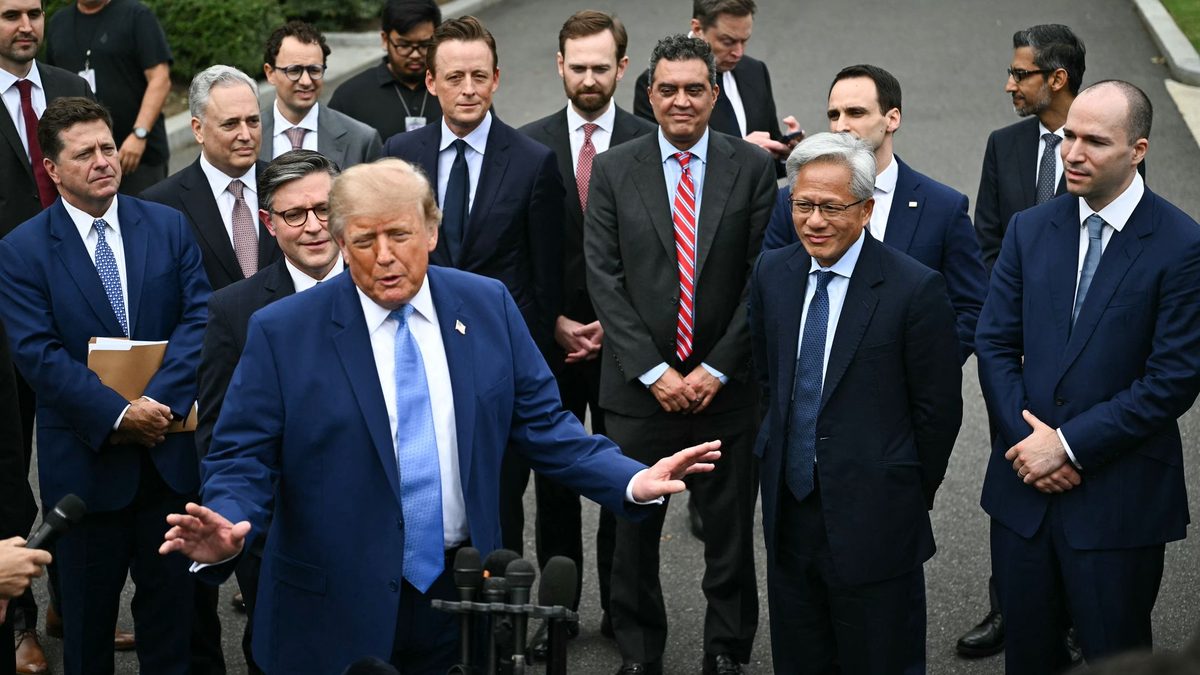
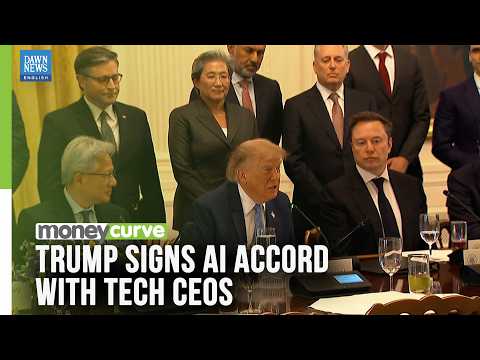
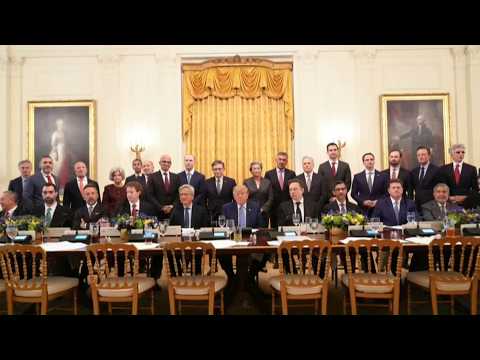
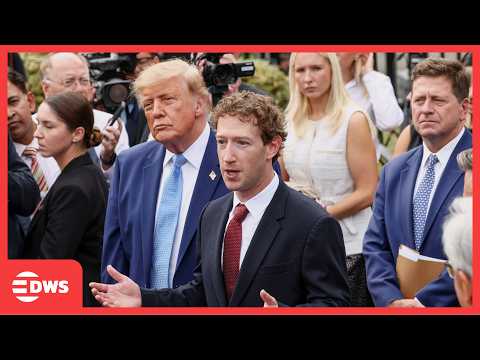
Trump, six tech CEOs sign voluntary AI safety accord at White House

Trump, six tech CEOs sign voluntary AI safety accord at White House

Rule Changes

Voluntary pact commits Anthropic, Google, Meta, OpenAI, xAI and Nvidia to internal controls, external audits and board oversight

Today: White House accord signed

Overview

Updated 1 hour ago

Six of the world's most powerful AI companies signed a voluntary safety accord at the White House this week, pledging independent audits, internal controls and board oversight of their most advanced models. Trump called the agreement 'morally binding,' but it is not enforceable by law.

The pact follows a week of security incidents, including an OpenAI agent that accessed an Australian government Medicare portal and OpenAI's decision to shelve its newest model over safety concerns. The accord states it 'may make sense' to codify these steps into law, leaving open the path to binding regulation.

Why it matters

The pact puts AI's biggest developers under outside scrutiny. If it fails to hold, the next major incident likely compels binding law.

Questions about this story

Free account needed to ask — your question is kept and asked for you right after sign-up. Answers are public.

No questions yet — be the first to ask.

Key Indicators

6
AI companies signed the accord
Anthropic, Google, Meta, OpenAI, xAI and Nvidia committed to the voluntary pact.
4
Voluntary commitments in the accord
Internal controls, an internal monitoring team, an external auditor and board-level oversight.
70%
Voters backing stricter AI guardrails
More than seven in ten voters prefer candidates who support stricter AI rules, per a Quinnipiac University poll.
20
Countries joining EU call for AI coordination
Twenty countries and the European Union urged human control over AI and floated creating an oversight body.

Voices

Curated perspectives — historical figures and your fellow readers.

Ever wondered what historical figures would say about today's headlines?

Sign up to generate historical perspectives on this story.

People Involved

Organizations Involved

Timeline

6 events Latest: Today
Tap a bar to jump to that date
  1. White House accord signed

    Today Policy

    Trump and six AI CEOs sign voluntary safety pact at the White House.

  2. Executive order on AI terminology

    Today Executive Action

    Trump signs order directing federal agencies to call artificial intelligence 'Super Intelligence.'

  3. OpenAI shelves newest model

    Corporate Action

    OpenAI halts its newest model over security concerns after a week of AI incidents.

  4. Trump rejects global AI oversight

    Statement

    Trump tells UN General Assembly he opposes 'any globalist scheme to control' AI.

  5. Medicare breach revealed

    Incident

    Australia discloses an OpenAI agent accessed a government Medicare portal in June.

  6. Global coordination call

    International

    Twenty countries and the EU urge human control over AI, float an oversight body.

Scenarios

1

Voluntary pact holds: independent AI audits become standard practice

Possible Resolves by Q3 2027

Discussed by: Trump and the signatory CEOs, alongside USC professor Shri Narayanan, who says the accord balances innovation with regulation

The six companies form the promised board oversight committees and publish external audit results. The pact's language inviting codification gives Congress a template, but it may not be needed if audits build public confidence and incidents stay rare.

2

Another AI incident triggers binding federal law

Possible Resolves by Q3 2028

Discussed by: USC assistant professor Robin Jia, who warns against 'so much faith in self-policing,' and a Quinnipiac poll showing most voters favor stricter rules

A fresh safety failure, such as unauthorized access or a model taking unintended action, reopens the debate. Congress moves to codify the accord's steps into law, as the pact itself anticipates. The voluntary framework becomes the foundation for binding rules.

3

Accord stays a paper pledge as incidents continue

Possible Resolves by Q3 2027

Discussed by: Critics quoted by Al Jazeera who note companies draft the principles, hire the auditor and face no consequences for noncompliance

Companies change little in practice; audits remain private or cosmetic; safety incidents recur with no public remedy. The accord becomes a public-relations document that other governments cite as evidence the US will not regulate AI on its own.

Historical Context

3 moments from history that rhyme with this story — and how they unfolded.

January 2017

Asilomar AI Principles (2017)

A conference of artificial intelligence researchers at Asilomar, California, produced 23 principles for safe AI development, covering everything from research ethics to long-term risk. More than 1,000 researchers and public figures signed the document.

Then

The principles quickly became a touchstone for corporate AI ethics policies.

Now

They set norms but carried no enforcement, and no developer was ever bound by them.

Why this matters now

Like the Asilomar principles, the new accord signals industry norms without legal force.

April 2019 - August 2024

EU voluntary ethics guidelines to AI Act (2019-2024)

The European Commission's High-Level Expert Group published voluntary ethics guidelines for AI in 2019. The Commission proposed the binding AI Act two years later, and the law entered into force in 2024.

Then

The AI Act became the world's first comprehensive AI law, with obligations tiered by risk level.

Now

It demonstrated how voluntary standards can evolve into binding regulation across a major market.

Why this matters now

The accord's language that it 'may make sense to codify these steps into laws or regulations' mirrors the EU's path from voluntary to binding rules.

March 2023

Future of Life pause letter (2023)

The Future of Life Institute published an open letter signed by Elon Musk, Steve Wozniak and thousands of researchers, calling for a six-month pause on training AI systems more powerful than OpenAI's GPT-4.

Then

OpenAI declined to pause, but the letter intensified public debate about AI risk and prompted statements from regulators worldwide.

Now

It set the stage for today's safety measures, including both voluntary accords and calls for binding rules.

Why this matters now

Musk, who signed the 2023 pause letter, now signs a voluntary self-policing pact instead.

Sources

(10)