


Pull to refresh
Logo
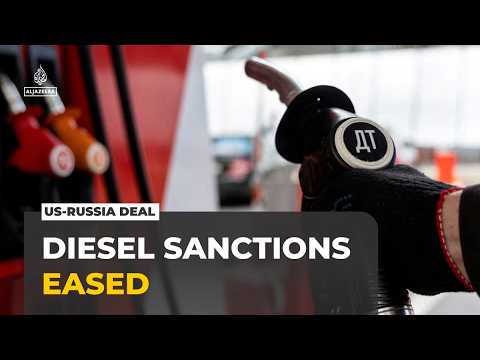
Trump suspends Russia sanctions after diesel deal with Putin

Trump suspends Russia sanctions after diesel deal with Putin

Rule Changes

President waives most Graham Act tariffs a week after announcing a Russian diesel deal

Yesterday: Trump waives Graham Act sanctions

Overview

Updated 2 hours ago

President Trump signed a law in September that would hit Russian goods with 500% tariffs and tax the countries that buy the most Russian oil. On October 16, he waived most of it, two days before it was set to take effect.

The waiver follows a deal with Vladimir Putin under which, Trump said, Russia will supply up to 4.8 million tons of diesel to U.S. and global markets, as American diesel prices sit roughly 70% above February levels. Senators from both parties condemned the move.

Why it matters

The waiver trades pressure on Moscow for near-term diesel relief—and decides whether Russia's biggest oil buyers pay a penalty or keep buying.

Questions about this story

Free account needed to ask — your question is kept and asked for you right after sign-up. Answers are public.

No questions yet — be the first to ask.

Key Indicators

500%
Tariff on Russian goods (waived)
Graham Act duty on all goods from Russia, suspended by executive order.
100%
Tariff on top Russian oil buyers (waived)
Duty on the five largest importers of Russian crude and gas, also suspended.
300,000+ tons
Russian diesel promised immediately
First tranche of a deal for up to 4.8 million tons of diesel total.
+70%
Diesel price increase since February
Prices climbed after the Iran war began, per NBC News reporting.

Voices

Curated perspectives — historical figures and your fellow readers.

Ever wondered what historical figures would say about today's headlines?

Sign up to generate historical perspectives on this story.

People Involved

Organizations Involved

Timeline

February 2026 October 2026

5 events Latest: Yesterday
Tap a bar to jump to that date
  1. Trump announces Russian diesel deal

    Diplomacy

    After a call with Putin, Trump says Russia will supply more than 300,000 tons of diesel at once and up to 4.8 million tons in all.

  2. Poll shows disapproval of price handling

    Polling

    AP-NORC poll finds most Americans disapprove of Trump's Iran war handling.

  3. War in Iran begins

    Conflict

    Fighting in Iran starts, pushing fuel prices up sharply through the year.

Scenarios

1

Diesel deal holds, waivers stretch through winter

Likely Resolves by Jan 31, 2027

Discussed by: Administration officials and the executive order itself, which keeps waivers in effect until further notice

Russia delivers the promised diesel in stages: 300,000 tons immediately, 500,000 in November, and millions more afterward. Diesel prices ease into winter, and the USTR monitors Russian energy buyers but takes no enforcement action. The waivers remain in place as the administration cites stable fuel supply.

2

After midterms, tariffs snap back

Possible Resolves by Jan 31, 2027

Discussed by: Congressional critics who note the waiver's proximity to the November elections

Once the midterms pass and diesel deliveries stabilize prices, the administration lets the waivers lapse. The 500% and 100% tariffs take effect, restoring pressure on Moscow. The trigger could be a completed diesel deal that no longer requires the waiver, or political calculations shifting after voters have cast ballots.

3

Russia short-ships diesel, deal collapses

Unlikely Resolves by Jan 31, 2027

Discussed by: Skeptics of Russia's delivery record and U.S. energy import data

Russia delivers less than promised or delays shipments. Trump blames Moscow, lets the tariffs take effect, and the arrangement collapses into public confrontation. The diesel price relief never materializes, and the sanctions posture returns to where it stood before the waiver.

Historical Context

3 moments from history that rhyme with this story — and how they unfolded.

July 2015

2015 Iran nuclear deal

The U.S. and five other powers lifted nuclear-related sanctions on Iran in exchange for restrictions on its atomic program. Iran regained access to frozen assets and resumed oil sales; the West got limits on enrichment.

Then

Iran's oil exports surged and its economy rebounded as sanctions relief took effect.

Now

Trump withdrew the U.S. from the deal in 2018 and reimposed sanctions, showing how quickly sanctions relief can reverse.

Why this matters now

Like the Iran deal, the Russia waiver relaxes sanctions alongside a negotiated deal, and the president can reverse it at any time.

December 2022

G7 Russian oil price cap

The G7 and allies set a $60-per-barrel cap on Russian crude, letting Russian oil keep flowing to markets while cutting Moscow's revenue. It was a middle path between full sanctions and business as usual.

Then

Russian crude kept flowing at discounted prices and Moscow's energy revenue fell.

Now

The cap became a backbone of Western sanctions on Russia.

Why this matters now

Like the price cap, the waiver keeps Russian fuel flowing; the order leaves existing Russia sanctions under earlier executive orders in place.

May 2018

Trump's Iran sanctions snapback

President Trump pulled the U.S. out of the 2015 Iran nuclear deal and reimposed sweeping sanctions on Iran's oil, banking, and shipping sectors.

Then

Iran's economy contracted and its oil exports fell sharply.

Now

The snapback set a precedent for the unilateral reversal of sanctions policy by presidential decision.

Why this matters now

The Graham Act waiver shows that same executive power in reverse: a president suspending sanctions Congress passed, on a law carrying his own signature.

Sources

(9)