Pull to refresh
Logo
Daily Brief
Following
Why Ranks Sign Up
US softens China tone at Shangri-La Dialogue, drops Taiwan from keynote

US softens China tone at Shangri-La Dialogue, drops Taiwan from keynote

Force in Play

Hegseth's 2026 Singapore speech frames the relationship as 'stable equilibrium' after a Trump-Xi summit

Today: Hegseth softens China tone, omits Taiwan

Overview

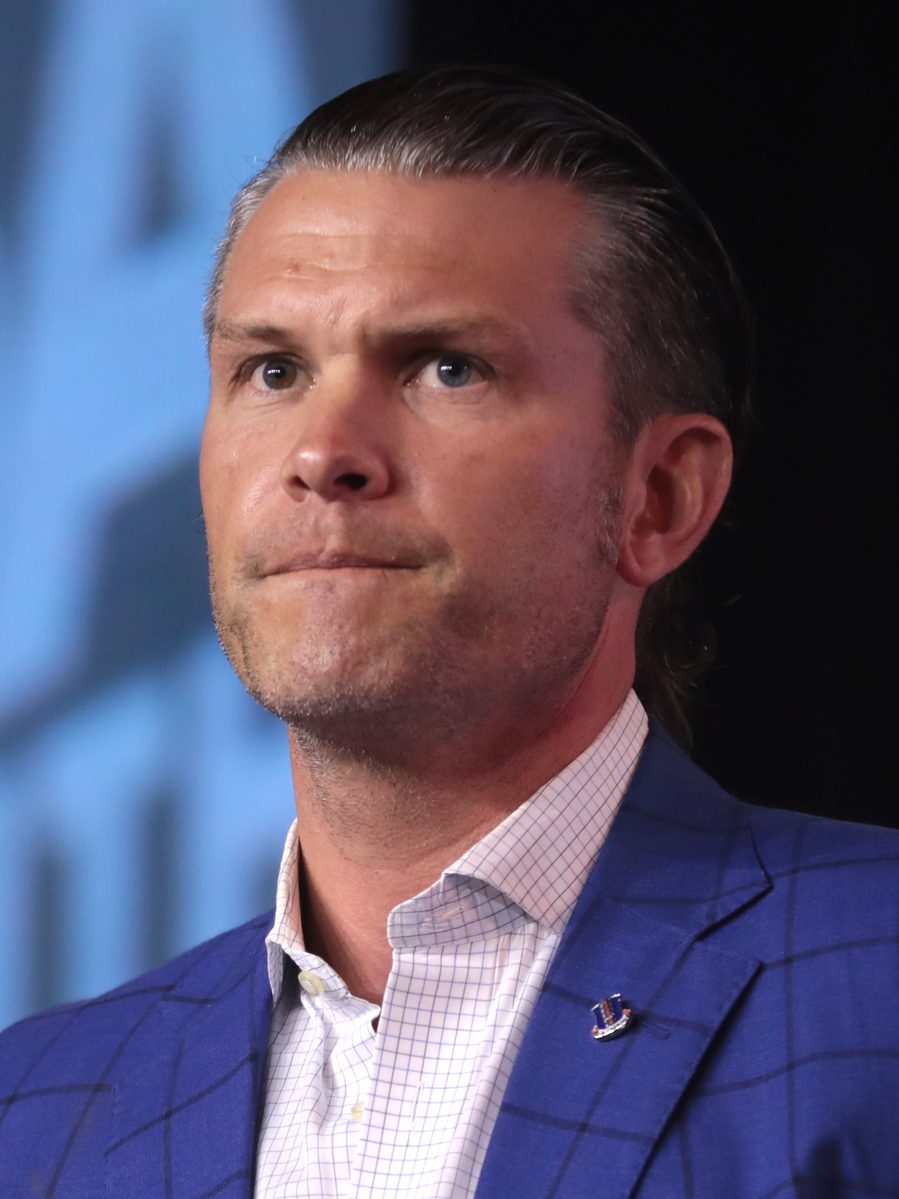
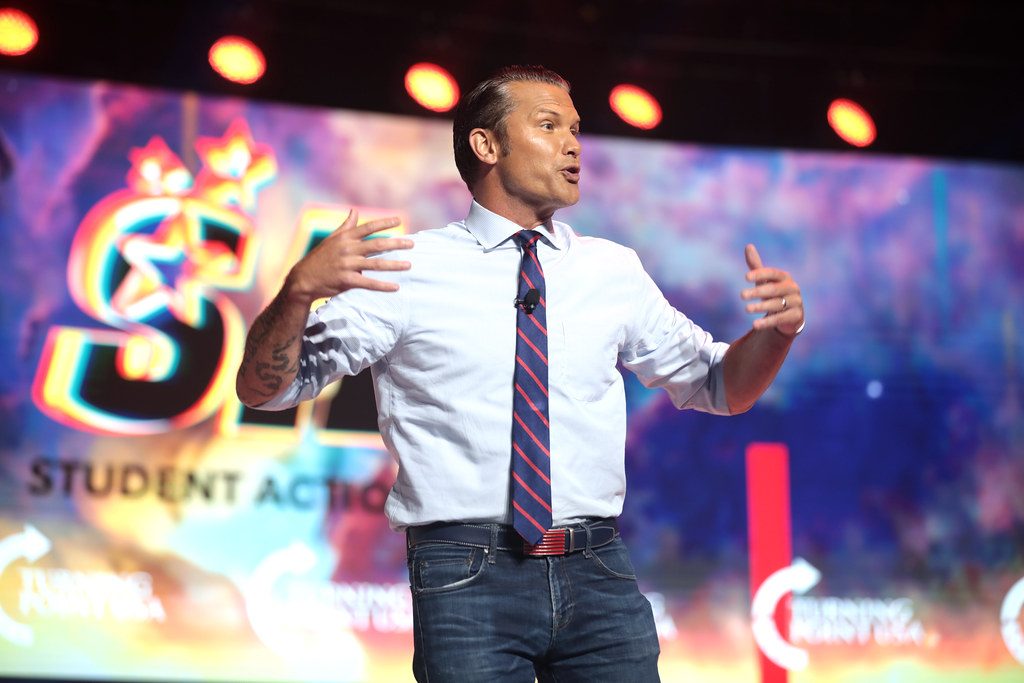
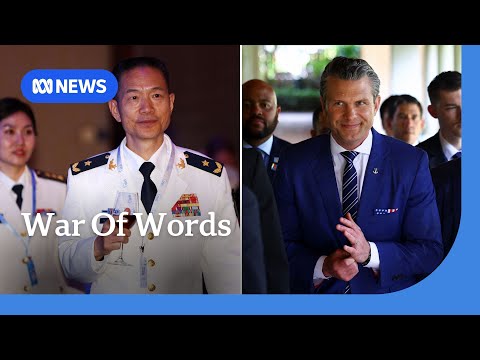
A year ago, the US defense secretary used the word Taiwan five times in his Shangri-La keynote. On Saturday in Singapore, Pete Hegseth did not say it once.

Hegseth instead told the region the United States wants a 'stable equilibrium' with China. The first island chain language stayed. The sharp edges did not. Allies from Tokyo to Manila are now reading the speech for what it leaves out.

Why it matters

If Washington is quietly trading Taiwan-first messaging for a deal with Beijing, every Indo-Pacific ally has to rethink what an American security guarantee actually covers.

Key Indicators

0
Taiwan mentions in 2026 keynote
Down from five mentions in Hegseth's 2025 Shangri-La speech.
2 weeks
Since the Trump-Xi summit
The speech is the first major US security statement after the leaders met.
4
Treaty allies in the audience
Japan, the Philippines, South Korea and Australia each have mutual defense commitments with Washington.
Stable equilibrium
New US framing for China relations
Replaces the explicit deterrence-against-aggression frame Hegseth used in 2025.

Voices

Curated perspectives — historical figures and your fellow readers.

Ever wondered what historical figures would say about today's headlines?

Sign up to generate historical perspectives on this story.

Play

Exploring all sides of a story is often best achieved with Play.

Log in to play. Track your picks, climb the leaderboards. Log in Sign Up
Predict 4 ways this could play out. Contrarian picks score more — points lock when the scenario resolves. Log in to play
Higher or Lower Two numbers from this story. Guess which is bigger. 5 rounds to set a streak. Log in to play
Connections Sixteen names from the news. Find the four hidden groups of four. Log in to play

People Involved

Organizations Involved

Timeline

January 2025 May 2026

4 events Latest: Today
Tap a bar to jump to that date
  1. Hegseth softens China tone, omits Taiwan

    Today Statement

    In Singapore, Hegseth says the US seeks a 'stable equilibrium' with Beijing and does not mention Taiwan. The 'deterrence by denial' strategy along the first island chain is reaffirmed.

  2. Trump-Xi summit

    Diplomatic

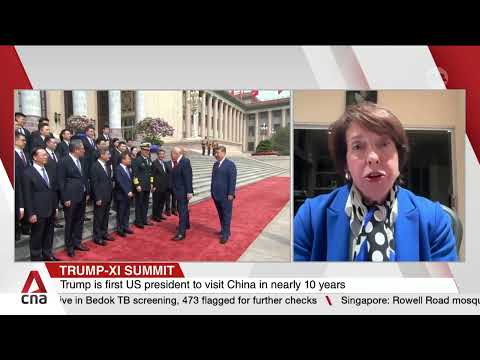
    Trump and Xi meet about two weeks before the Shangri-La forum. Details on deliverables remain limited.

  3. Hegseth's first Shangri-La keynote

    Statement

    Hegseth delivers a confrontational speech on China and names Taiwan five times. Beijing condemns it.

  4. Trump begins second term

    Political

    Trump returns to the White House. Hegseth is confirmed as defense secretary days later.

Historical Context

3 moments from history that rhyme with this story — and how they unfolded.

February 1972

Shanghai Communique (1972)

Richard Nixon traveled to Beijing and signed a joint statement with Zhou Enlai. The United States acknowledged the 'One China' position and agreed to reduce forces on Taiwan as tensions in the region eased. The text was studied word by word in Tokyo and Taipei for what Washington had conceded.

Then

US-China relations reopened after two decades of estrangement. Taiwan lost its UN seat and many diplomatic recognitions in the years that followed.

Now

The communique set the template for strategic ambiguity on Taiwan that has framed US policy ever since.

Why this matters now

Hegseth's omission of Taiwan is being read in the region the same way Shanghai was: a US signal about what it will and will not say out loud to keep Beijing at the table.

November 2011

Obama 'Pivot to Asia' announcement (2011)

Speaking to the Australian parliament, Barack Obama announced a rebalancing of US military and diplomatic weight toward the Asia-Pacific. The administration paired it with a Marine rotation through Darwin and a push for the Trans-Pacific Partnership trade deal.

Then

Allies welcomed the language but quickly questioned the resources behind it. China accused Washington of containment.

Now

The Pivot became a benchmark every later administration is judged against, including on whether the rhetoric matches the troop, ship and budget numbers.

Why this matters now

It shows how much regional capitals weigh US speeches against US deployments. Hegseth kept the deployment language (first island chain, deterrence by denial) and changed only the rhetoric — exactly the inverse of the Pivot problem.

April 1979

Taiwan Relations Act (1979)

After Washington switched recognition from Taipei to Beijing, the US Congress passed a law requiring the United States to provide Taiwan with weapons of a defensive character and to treat any coercion of Taiwan as of grave concern. It did not require US forces to defend the island.

Then

Created the legal scaffolding for continued US arms sales to Taiwan despite the diplomatic switch.

Now

Became the bedrock of US strategic ambiguity: a binding commitment to arm Taiwan paired with deliberate vagueness on whether US troops would fight.

Why this matters now

The Act is still law. A Pentagon speech that avoids saying Taiwan does not change US legal obligations, but it does change how clearly Washington signals them, which is what allies and Beijing are measuring.

Sources

(3)