
Logo
Daily Brief
Following
Why
America's Second Exit from Iraq

America's Second Exit from Iraq

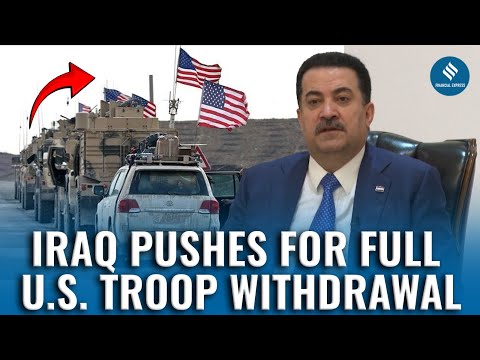
After 12 years fighting ISIS, US forces hand Al-Asad Air Base back to Iraqi control

Today: Al-Asad handover completed

Overview

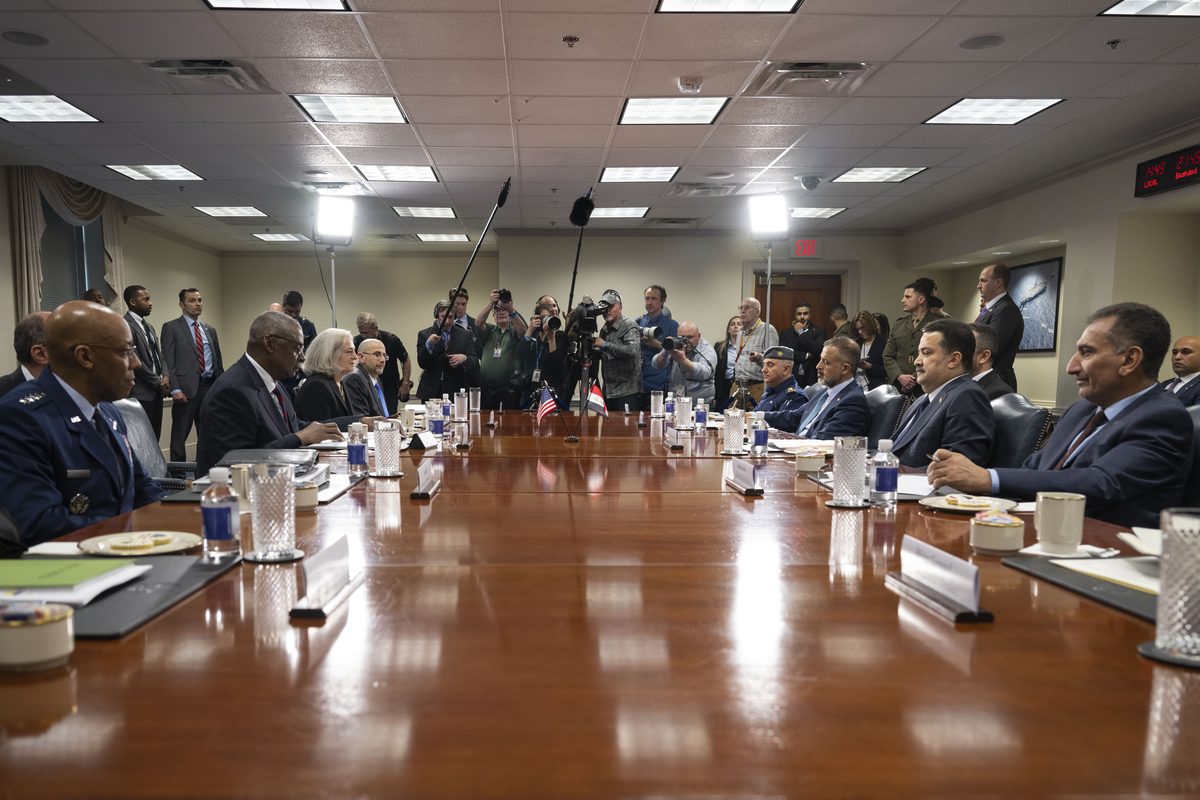
The United States returned to Iraq in 2014 after ISIS captured Mosul and threatened Baghdad. Twelve years later, American forces have handed over their last major base in federal Iraq—Al-Asad Air Base in Anbar province—completing a withdrawal that began with a 2024 agreement between Washington and Baghdad. The Iraqi Army now controls a facility that housed up to 5,000 coalition troops at its peak and survived Iranian missile strikes in 2020.

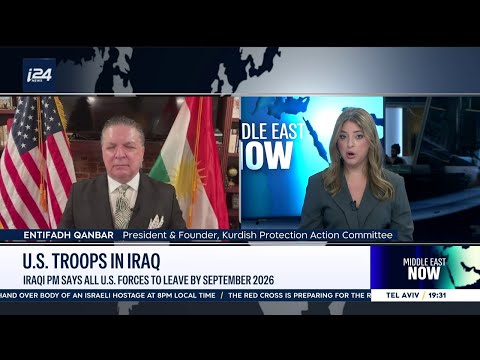
The withdrawal doesn't end America's Middle East presence—roughly 2,000 troops remain in Iraq's Kurdish region and Syria to continue counter-ISIS operations. But it removes the most visible symbol of the post-2014 intervention and tests Prime Minister Sudani's pledge that once foreign forces leave, Iran-backed militias will have 'no justification' to remain armed outside state control. Whether that holds will determine if this withdrawal resembles 2011's temporary exit or marks a more permanent shift.

Key Indicators

2,500
US troops in Iraq (pre-withdrawal)
Peak coalition presence during the counter-ISIS mission; now below 2,000 concentrated in Kurdistan
12
Years of continuous presence
US forces returned in 2014 after ISIS captured Mosul; this marks the longest sustained deployment since 2003
42,000
Square miles liberated from ISIS
Territory recaptured by coalition-backed forces across Iraq and Syria since 2014
180+
Militia attacks on US forces
Strikes by Iran-backed groups since October 2023, killing 3 US soldiers in Jordan

People Involved

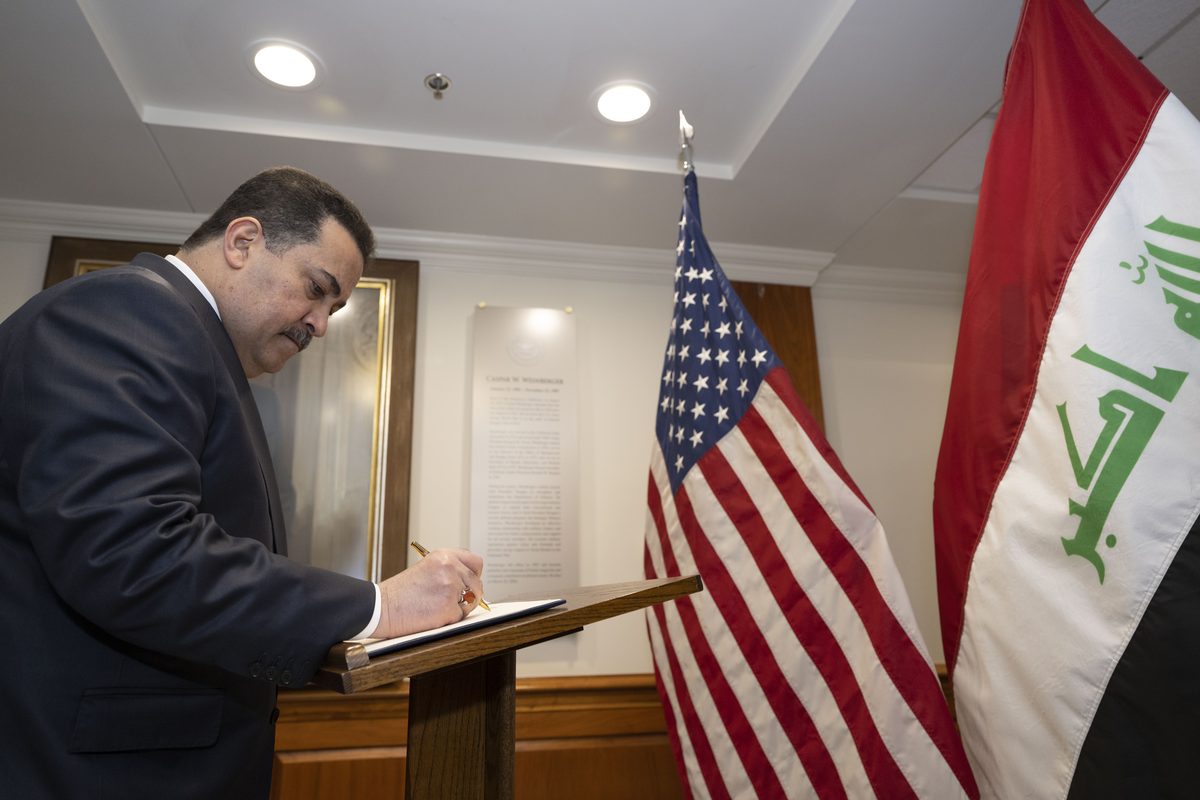
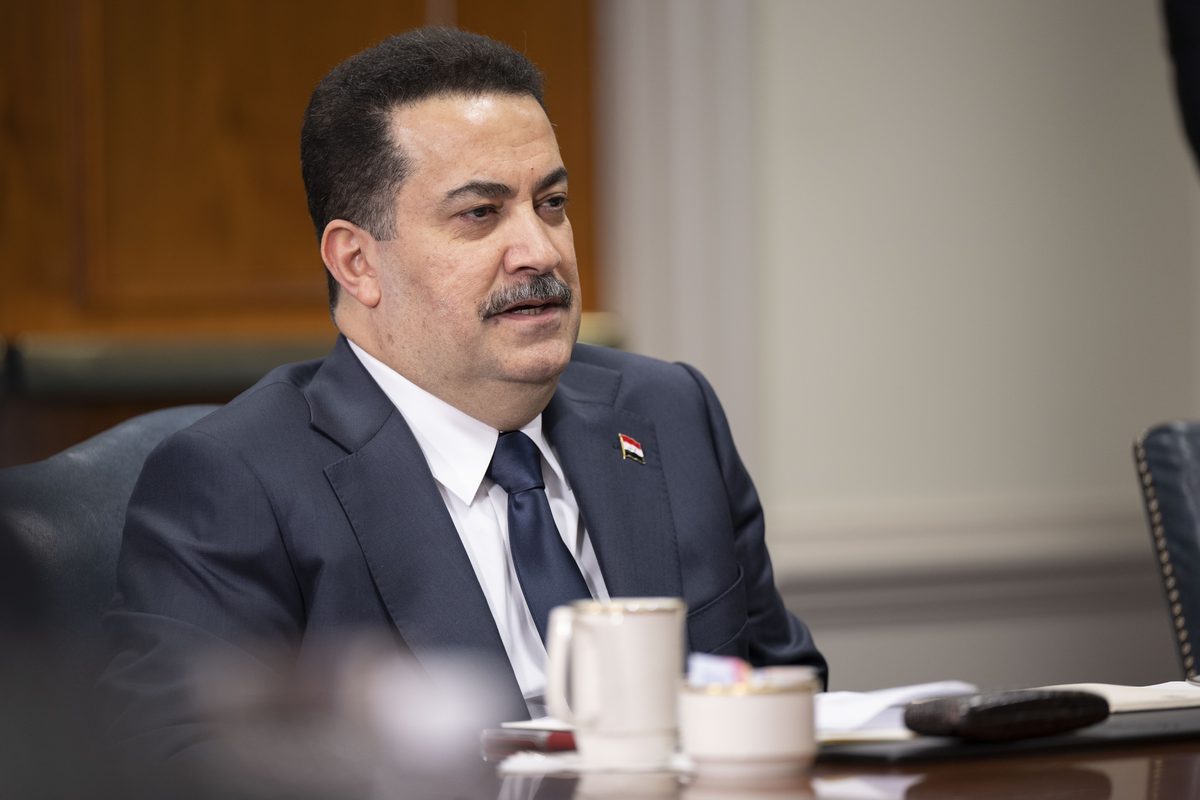
Mohammed Shia al-Sudani
Prime Minister of Iraq (In office since October 2022; coalition won 2025 parliamentary elections)
AY
Abdul Amir Rashid Yarallah
Chief of Staff, Iraqi Armed Forces (Oversaw Al-Asad handover ceremony on January 18, 2026)

Organizations Involved

Combined Joint Task Force – Operation Inherent Resolve
Military Coalition
Status: Winding down Iraq mission; continuing Syria operations through September 2026

US-led coalition of 86 nations formed to defeat ISIS in Iraq and Syria.

PO
Popular Mobilization Forces (PMF)
Iraqi State Militia Umbrella
Status: Formally part of Iraqi security structure; substantial autonomy retained by Iran-backed factions

Coalition of approximately 67 armed factions, primarily Shia, integrated into Iraq's security apparatus.

UN
United States Central Command (CENTCOM)
Unified Combatant Command
Status: Consolidating Middle East presence; focused on Syria ISIS operations

US military command responsible for operations across 21 countries in the Middle East and Central Asia.

Timeline

  1. Al-Asad handover completed

    Withdrawal

    Iraqi Army assumes full control of Al-Asad Air Base. All US personnel and equipment removed from the facility.

  2. Sudani announces small force will remain

    Policy

    PM reverses full withdrawal plan; 250-350 advisers stay at Al-Asad due to 'developments in Syria.'

  3. US begins Al-Asad withdrawal

    Withdrawal

    American forces start departing Al-Asad as part of transition to bilateral security relationship.

  4. Assad regime falls in Syria

    Political

    Syrian government collapses after rebel offensive. US doubles Syria troop presence to counter ISIS resurgence risk.

  5. US-Iraq withdrawal agreement signed

    Agreement

    Baghdad and Washington agree to end coalition mission in Iraq by September 2025, with Syria operations continuing to 2026.

  6. Tower 22 attack kills 3 US soldiers

    Attack

    Drone strike on Jordan base near Syria border causes first US combat deaths since 2020.

  7. Militia attacks on US bases resume

    Attack

    Islamic Resistance in Iraq begins drone and rocket attacks on US forces following Hamas attack on Israel.

  8. Iran strikes Al-Asad with ballistic missiles

    Attack

    IRGC launches Operation Martyr Soleimani, firing 12+ missiles at Al-Asad Air Base. No US fatalities.

  9. US kills Qasem Soleimani

    Military

    Drone strike at Baghdad airport kills IRGC-Quds Force commander and Iraqi militia leader.

  10. Iraq declares victory over ISIS

    Military

    Prime Minister Abadi announces liberation of all Iraqi territory from Islamic State control.

  11. Operation Inherent Resolve established

    Military

    Pentagon creates Combined Joint Task Force to coordinate 86-nation coalition against ISIS.

  12. Obama orders US forces back to Iraq

    Policy

    President Obama dispatches 300 special operations troops to advise Iraqi forces against ISIS.

  13. ISIS captures Mosul

    Military

    Islamic State seizes Iraq's second-largest city; Iraqi Army divisions collapse within hours.

  14. US completes first Iraq withdrawal

    Withdrawal

    Last US combat troops depart Iraq per 2008 Status of Forces Agreement, ending Operation Iraqi Freedom.

Scenarios

1

US Maintains Kurdistan Presence Through 2027 and Beyond

Discussed by: Washington Institute, Long War Journal, Kurdistan Regional Government officials

The most likely near-term outcome. US forces consolidate in Erbil and Harir bases in Kurdistan, where the regional government welcomes their presence as a protective shield. Troop levels stabilize below 2,000. The US continues Syria counter-ISIS operations from Kurdistan while maintaining its largest consulate in the world in Erbil. This trajectory resembles the post-2011 drawdown that left advisory capacity intact, though with a smaller footprint concentrated in friendlier territory.

2

ISIS Resurgence Forces US Combat Return

Discussed by: Council on Foreign Relations, Pentagon quarterly reports, Long War Journal

ISIS conducted approximately 700 attacks in 2024—triple the 2023 rate. Post-Assad Syria created new operational space. If Iraqi forces prove unable to contain a resurgent threat, pressure mounts for US combat redeployment, echoing the 2014 return after the 2011 withdrawal. The December 2025 launch of Operation Hawkeye Strike shows Washington's willingness to escalate when ISIS exploits instability.

3

Militia Disarmament Fails, US-Iraq Relations Deteriorate

Discussed by: Brookings Institution, Washington Institute, Gulf International Forum

Sudani's pledge to disarm militias after the US withdrawal goes unfulfilled. Iran-backed PMF factions retain weapons, economic networks, and external command structures while nominally integrating into state forces. Washington responds with sanctions or reduced security cooperation. Iraq becomes more firmly in Iran's orbit, and the bilateral relationship established in the 2024 agreement erodes.

4

Full US Withdrawal from Iraq and Syria by 2027

Discussed by: Stand Together foreign policy analysts, anti-intervention advocates

Domestic political pressure or regional escalation leads Washington to complete withdrawal from both Iraq's Kurdish region and Syria. This would end the 23-year post-2003 military engagement. Analysts note this scenario requires either a collapse of the ISIS threat or a strategic decision to accept regional partners handling it alone—neither currently appears imminent.

Historical Context

US Withdrawal from Iraq (2011)

December 2011

What Happened

Under the 2008 Status of Forces Agreement signed by President Bush, the last 50,000 US troops departed Iraq by December 18, 2011. President Obama had sought to keep 10,000 troops but negotiations collapsed when Iraq's parliament refused to grant legal immunity to remaining forces.

Outcome

Short Term

Prime Minister Maliki consolidated power, purging Sunni officials and military leaders. Sectarian tensions escalated.

Long Term

By June 2014, ISIS captured Mosul with minimal resistance from an Iraqi Army hollowed out by political interference. The US returned within months, restarting the cycle this withdrawal now completes.

Why It's Relevant Today

The 2011 withdrawal created conditions for ISIS's rise. This time, US officials argue Iraqi forces are more capable, but the test of that claim lies ahead. The question isn't whether the US is leaving—it's whether the departure sticks.

US Bases Close in Philippines (1991-1992)

September 1991 – November 1992

What Happened

The Philippine Senate rejected renewal of the bases agreement by a 12-11 vote in September 1991, following the eruption of Mount Pinatubo. Clark Air Base closed in November 1991; Subic Bay Naval Base in November 1992—ending nearly a century of US military presence.

Outcome

Short Term

The Philippines lost billions in base-related economic activity. The US lost its largest overseas air and naval facilities.

Long Term

Rising Chinese assertiveness in the South China Sea shifted Philippine calculus. In 2014, the Enhanced Defense Cooperation Agreement brought US forces back to Philippine bases on a rotational basis.

Why It's Relevant Today

Demonstrates how withdrawals driven by domestic politics can reverse when strategic circumstances change. China's regional expansion prompted Manila to invite US forces back; a similar dynamic could occur if ISIS resurges or Iran's influence grows.

Soviet Withdrawal from Afghanistan (1989)

May 1988 – February 1989

What Happened

After nine years of counterinsurgency against US-backed mujahideen, the Soviet Union withdrew 100,000 troops under the Geneva Accords. The last Soviet soldier crossed the Friendship Bridge on February 15, 1989.

Outcome

Short Term

The Moscow-backed Najibullah government survived three years, longer than Western analysts predicted, sustained by continued Soviet aid.

Long Term

When Soviet aid ended in 1992, the government collapsed. Afghanistan descended into civil war, enabling the Taliban's 1996 takeover and eventual al-Qaeda sanctuary.

Why It's Relevant Today

Shows that withdrawal outcomes depend less on the departure itself than on sustained support afterward. The US pledges continued advisory relationships and aid to Iraqi forces—the durability of that commitment will shape whether this withdrawal resembles the Philippines (temporary) or Afghanistan (lasting).

12 Sources: