

Pull to refresh
Logo
US clears first new sunscreen filter in over two decades

US clears first new sunscreen filter in over two decades

New Capabilities

An FDA order lets sunscreen makers start using bemotrizinol, a UVA-and-UVB filter sold in Europe since 1999.

Today: Filter becomes usable in US products

Overview

For more than 25 years, US sunscreen makers worked from the same short list of ultraviolet filters. On August 9, 2026, an FDA order let them start using a new one.

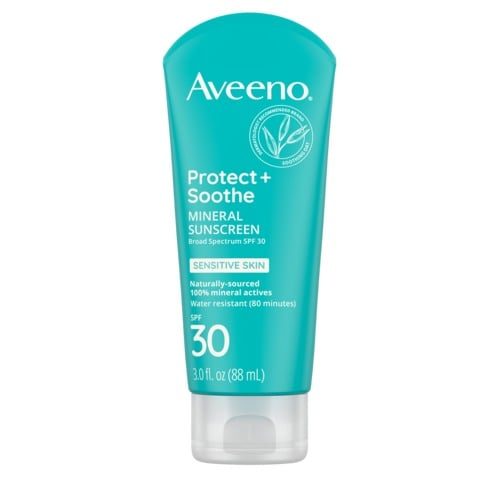
The filter, bemotrizinol, blocks both UVA and UVB rays and stays stable in sunlight. It has protected skin in Europe and Asia since 1999. Now it can go into Neutrogena, Aveeno, and other US brands.

Why it matters

Americans gain access to a stronger, more stable broad-spectrum filter that has guarded European and Asian skin for 25 years.

Questions about this story

No questions yet — be the first to ask.

Key Indicators

25+ years
Since the last new filter
No new active UV filter had joined the US over-the-counter sunscreen monograph since the late 1990s.
6%
Maximum concentration allowed
The FDA permits bemotrizinol in US sunscreen formulas at up to 6%.
18 months
Exclusive rights for DSM-Firmenich
The chemicals maker holds sole supply rights before rivals can sell the filter.
8,510
Projected US melanoma deaths, 2026
The American Cancer Society estimates 8,510 melanoma deaths and 112,000 invasive cases this year.

Voices

Curated perspectives — historical figures and your fellow readers.

Ever wondered what historical figures would say about today's headlines?

Sign up to generate historical perspectives on this story.

Play

Exploring all sides of a story is often best achieved with Play.

Most of these play right now — no account needed. Sign up to save scores, keep a streak, and unlock Debate and Predict. Log in Sign Up
Predict 3 ways this could play out. Back the one you believe — contrarian picks score more when a scenario has a resolution date. Log in to play

Organizations Involved

Timeline

January 2005 August 2026

4 events Latest: Today
Tap a bar to jump to that date
  1. Filter becomes usable in US products

    Today Milestone

    The FDA order takes effect. Manufacturers may now legally add bemotrizinol, though finished products will reach shelves later.

  2. FDA declares bemotrizinol safe and effective

    Regulatory

    The agency issues its final order classifying the filter as safe and effective for adults and children six months and older.

  3. Sunscreen Innovation Act becomes law

    Legislation

    Congress passes a law to speed FDA review of new sunscreen filters, targeting a backlog of eight pending applications.

  4. First US application filed

    Regulatory

    Ciba Specialty Chemicals asks the FDA to allow bemotrizinol in US sunscreens. The request then stalls for years.

Historical Context

3 moments from history that rhyme with this story — and how they unfolded.

1999

Europe clears bemotrizinol (1999)

European regulators approved bemotrizinol for sunscreens, treating it as a cosmetic ingredient. Brands sold it under names including Tinosorb S and Parsol Shield. It became a common broad-spectrum filter across Europe and Asia.

Then

European sunscreens gained a stable filter with strong UVA coverage well before US shoppers could buy it.

Now

A widening gap opened between US and international sunscreen formulas that lasted more than 25 years.

Why this matters now

The 27-year lag shows how differently the US and Europe regulate the same ingredient. Bemotrizinol was routine abroad long before the FDA cleared it.

November 2014

Sunscreen Innovation Act (2014)

Congress passed a law to force faster FDA review of new sunscreen filters. Eight applications were stuck, some pending for over a decade. Lawmakers set deadlines for the agency to act.

Then

The FDA issued proposed orders but found the safety data insufficient to clear the pending filters.

Now

No new filter reached the market for another decade, showing that a deadline alone could not resolve the FDA's data demands.

Why this matters now

Bemotrizinol is the first filter to clear the process the 2014 law tried to speed up. It shows what it finally took to get one through.

February 2019

FDA proposed sunscreen rule (2019)

The FDA proposed rules asking for more safety data on common chemical filters after studies showed some, like oxybenzone, were absorbed into the bloodstream. The agency wanted to know what that absorption meant.

Then

The proposal left the safety status of several older filters unsettled and raised the bar for new ones.

Now

Blood absorption became a central test for any filter seeking US approval.

Why this matters now

Bemotrizinol cleared that bar. Its very low absorption into the bloodstream was central to the FDA's safe-and-effective ruling.

Sources

(8)