



Pull to refresh
Logo
China state buyers book more US soybean cargoes toward trade target

China state buyers book more US soybean cargoes toward trade target

Money Moves

Two large batches this week push cumulative purchases to about 60 percent of the 25 million-ton annual commitment

3 days ago: Chinese state buyers book 10-13 more soybean cargoes

Overview

Updated 1 hour ago

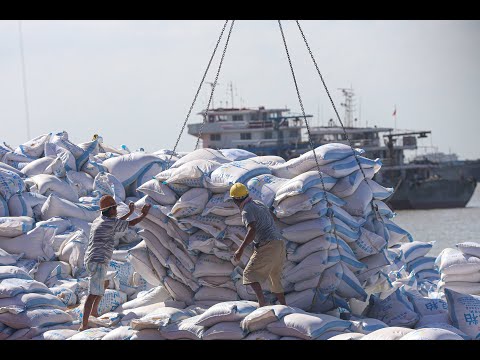
Chinese state-owned trading firms booked 10 to 13 more Panamax cargoes of US soybeans on Wednesday night, the second large purchase this week and the first since President Donald Trump and President Xi Jinping met in September. The two batches total 18 to 23 cargoes, roughly 1.2 to 1.5 million metric tons, shipping between December and March.

The purchases push China's cumulative US soybean buying to about 15 million tons, roughly 60 percent of the 25 million-ton annual commitment set at a May summit in Beijing. State firms are doing the buying because a 13 percent tariff makes commercial purchases unprofitable. The commitment runs through 2028.

Why it matters

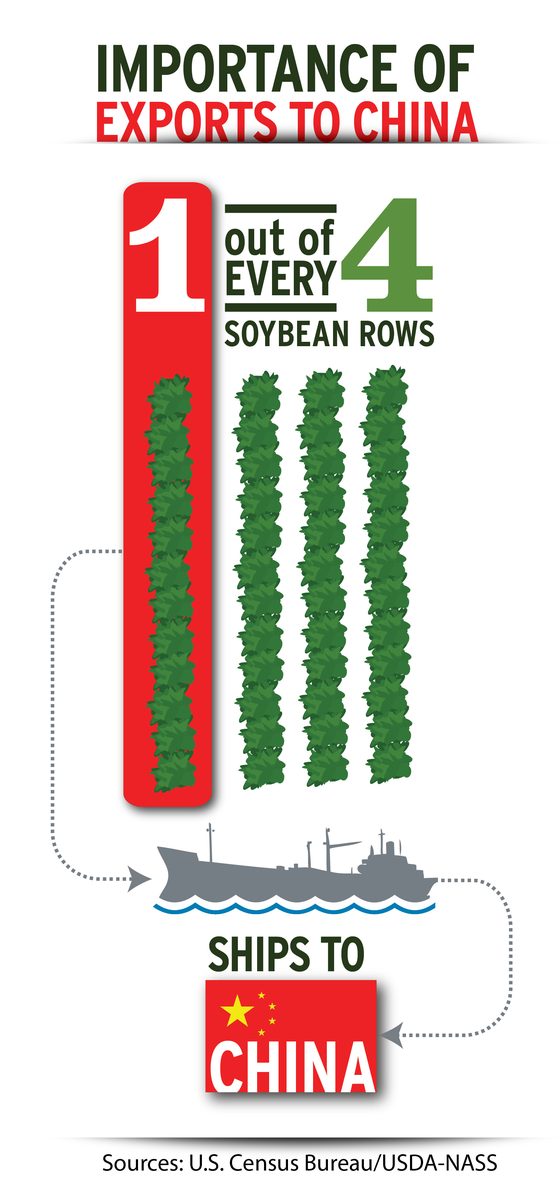
China is the largest market for US soybeans. If the 25 million-ton annual commitment stalls, US farm exports and the trade framework both suffer.

Questions about this story

Free account needed to ask — your question is kept and asked for you right after sign-up. Answers are public.

No questions yet — be the first to ask.

Key Indicators

18-23
Cargoes booked this week
Two batches of Panamax shipments, each carrying about 65,000 tons.
~15 million
Cumulative purchases toward 2026/27 target
About 60 percent of the 25 million-ton annual commitment.
25 million
Annual purchase target through 2028
Set at the May 2026 Beijing summit, reaffirmed in Washington in September.
13%
Tariff on US soybeans entering China
Makes commercial purchases unprofitable; state firms are driving the buying.

Voices

Curated perspectives — historical figures and your fellow readers.

Ever wondered what historical figures would say about today's headlines?

Sign up to generate historical perspectives on this story.

People Involved

Organizations Involved

Timeline

May 2026 October 2026

5 events Latest: 3 days ago
Tap a bar to jump to that date
  1. Chinese state buyers book 10-13 more soybean cargoes

    Latest Trade

    Second batch this week, about 650,000 to 845,000 tons; cumulative purchases reach about 15 million tons, roughly 60 percent of target.

  2. Chinese state buyers book 8-10 soybean cargoes

    Trade

    First purchases since the September summit, about 520,000 to 650,000 tons; USDA confirmed most sales in its daily announcement.

  3. China buys about 1 million tons of US soybeans

    Trade

    Early September purchases pushed China's total to just under half the 25 million-ton target ahead of the Washington summit.

  4. Trump and Xi meet in Washington

    Diplomacy

    The two leaders reaffirmed the soybean purchase commitment; Beijing published lists of US goods slated for tariff cuts, including wheat and corn.

  5. Trump and Xi set soybean target in Beijing

    Diplomacy

    Both governments affirmed a 25 million-ton annual soybean commitment through 2028, plus $17 billion a year in other US agricultural goods.

Scenarios

1

China hits 25 million-ton soybean target for 2026/27

Likely Resolves by Q3 2027

Discussed by: Reuters, Bloomberg, trade analysts

State buyers continue booking cargoes through the marketing year, which ends in August 2027. China needs roughly 10 million more tons, about 150 more Panamax cargoes, over the next 11 months. The purchases are driven by the political commitment, not market economics, since the 13 percent tariff makes commercial buying unprofitable.

2

China falls short of target, trade tensions resurface

Possible Resolves by Q3 2027

Discussed by: American Farm Bureau Federation, trade analysts

Purchases stall after the current spree, as they did during the National Day holiday. The AFBF has flagged Chinese buyers pulling back from US soybean purchases. If China falls short, the US could respond with new tariffs, reviving the tensions the framework was meant to ease.

3

Soybeans added to tariff-cut list, commercial buyers re-enter

Possible Resolves by Jan 31, 2027

Discussed by: Bloomberg, trade analysts

Beijing has published lists of US goods slated for tariff cuts, including wheat and corn, but soybeans are not yet on them. If soybeans are added, the 13 percent tariff drops, making commercial purchases profitable again. That would broaden buying beyond state firms and could accelerate progress toward the target.

Historical Context

2 moments from history that rhyme with this story — and how they unfolded.

January 2020

US-China Phase One trade deal (2020)

The US and China signed a Phase One trade deal in January 2020, ending a two-year tariff war. China committed to buy $200 billion more in US goods over two years, including $36.5 billion in agricultural purchases in 2020.

Then

COVID-19 disrupted global trade, and China fell short of the agricultural purchase targets in 2020.

Now

The shortfall became a recurring point of friction, and the deal's enforcement mechanism was never fully tested.

Why this matters now

Shows that large purchase commitments are hard to meet, and shortfalls carry political costs. The current 25 million-ton soybean target faces the same risk.

July 2018 - 2019

US-China soybean trade war (2018-2019)

China imposed 25 percent tariffs on US soybeans in July 2018, retaliating against US tariffs. US soybean exports to China fell from about $12.5 billion in 2017 to about $3.1 billion in 2018, and Brazil became China's top supplier.

Then

US farmers lost their largest soybean market, and prices fell sharply.

Now

Brazil cemented its position as China's primary soybean supplier, a structural shift that persists.

Why this matters now

Explains why the current commitment matters: China's buying is the mechanism that keeps US soybeans competitive against Brazilian supply.

Sources

(7)