
Pull to refresh
Logo
Honey bee stinger revealed as double-piston venom pump

Honey bee stinger revealed as double-piston venom pump

New Capabilities

High-speed video shows how detached stingers keep pumping venom

Yesterday: Study published in PNAS

Overview

Updated Yesterday

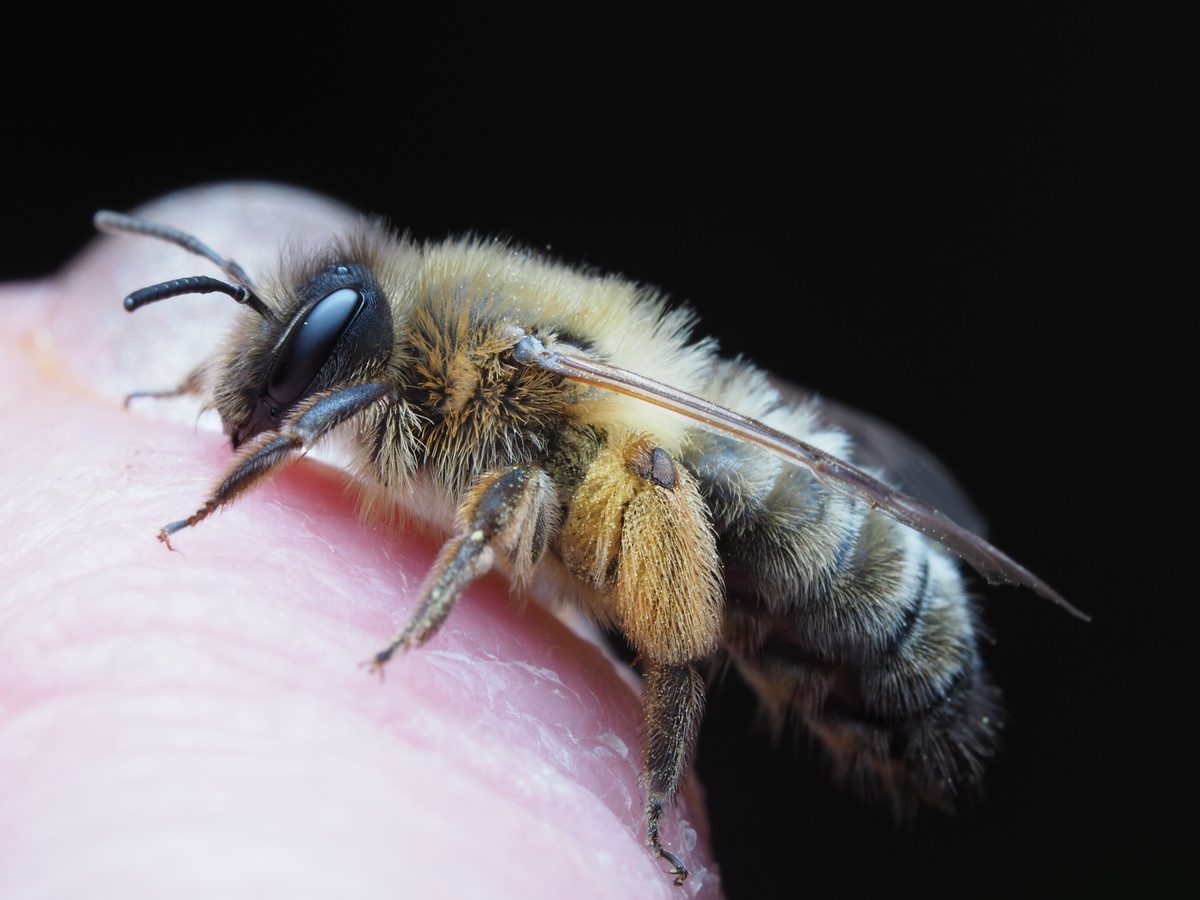
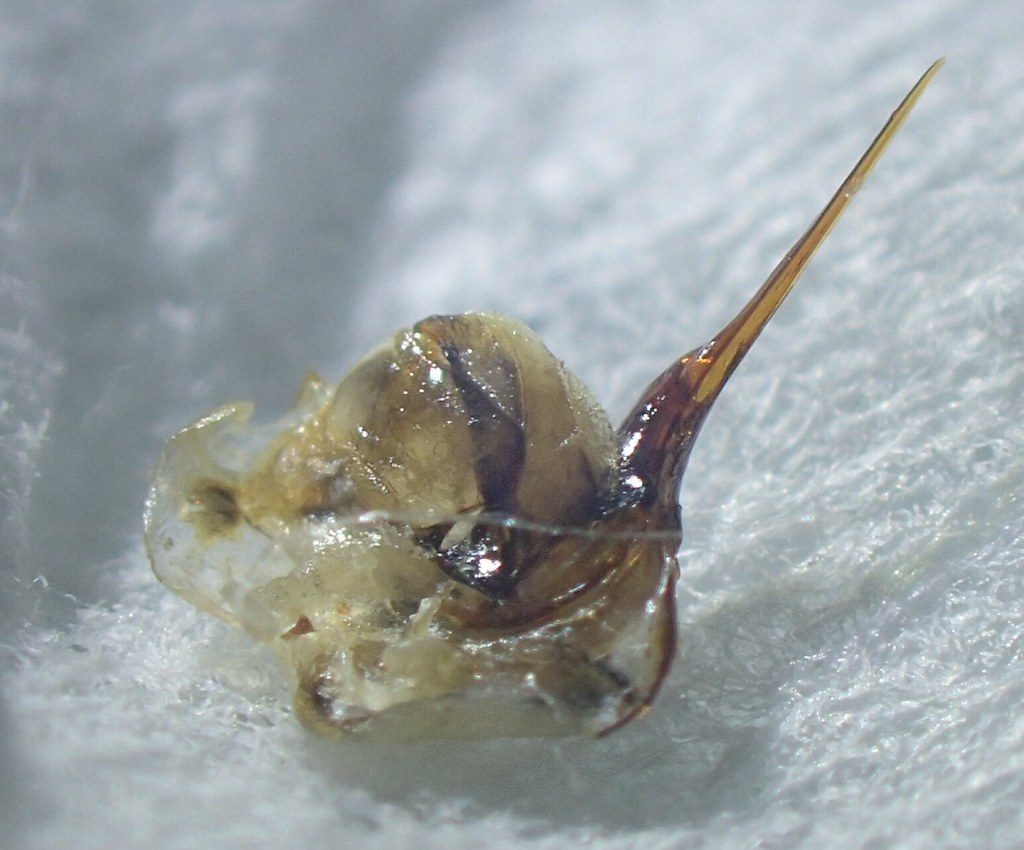
A honey bee stinger keeps pumping venom after it tears free from the bee. High-speed video now shows how: two flexible flaps inside the stinger work as collapsible pistons, sliding in opposite directions to push venom out without stopping.

The mechanism, described in PNAS, solves a puzzle that has stood since 1910, when biologists first sketched the stinger's internal valves. The design could inspire tiny medical pumps that deliver drugs without external power.

Why it matters

The stinger's self-powered double-piston design could inspire micro-pumps for drug delivery and microfluidics.

Questions about this story

Free account needed to ask — your question is kept and asked for you right after sign-up. Answers are public.

No questions yet — be the first to ask.

Key Indicators

2
Collapsible pistons in the stinger pump
Two flexible flaps slide in antiphase to push venom continuously.
2
Minutes of autonomous venom pumping
The detached stinger keeps pumping venom for about two minutes.
15
Minutes of stinger twitching
Minute movements can continue for up to 15 minutes after detachment.

Voices

Curated perspectives — historical figures and your fellow readers.

Ever wondered what historical figures would say about today's headlines?

Sign up to generate historical perspectives on this story.

People Involved

Organizations Involved

Timeline

1 event Latest: Yesterday
  1. Study published in PNAS

    Latest Publication

    Researchers reveal the stinger's double-piston venom pump using high-speed video and microCT scans.

Scenarios

1

Bioinspired micropump prototype unveiled

Possible Resolves by Oct 12, 2028

Discussed by: The PNAS study authors and microfluidics researchers

Engineers build a working micropump based on the bee stinger's collapsible double-piston design. The prototype would demonstrate two deformable pistons operating in antiphase within a single chamber, enabling continuous flow without backflow.

2

Similar pump found in other stinging insects

Likely Resolves by Oct 12, 2028

Discussed by: Hymenopteran researchers

Studies of wasps, hornets, or other bees reveal similar collapsible piston mechanisms in their stingers. The finding would show the double-piston pump is more widespread than previously thought.

3

Design principles applied in microfluidic devices

Possible Resolves by Oct 12, 2029

Discussed by: Microfluidics engineers

The stinger's design principles get incorporated into microfluidic devices for drug delivery or lab-on-a-chip applications. This would require demonstrating the collapsible piston concept in a manufactured device.

Historical Context

2 moments from history that rhyme with this story — and how they unfolded.

1910

The 1910 anatomical sketch of the stinger valves

Biologists first illustrated the honey bee stinger's internal valves, noting their unusual structure. The illustration showed the valves but not how they worked.

Then

The valves' function remained unexplained for over a century.

Now

The 2026 PNAS study finally revealed them as collapsible pistons.

Why this matters now

Shows how a biological mechanism can remain mysterious despite being observed for over 100 years.

2000

Gecko adhesion mechanism identified (2000)

Kellar Autumn and colleagues at UC Berkeley identified that van der Waals forces from microscopic setae on gecko toes enable the lizard's grip. The finding explained a long-standing biological mystery.

Then

The discovery opened the field of gecko-inspired adhesives.

Now

Synthetic gecko adhesives are now used in robotics and medical applications.

Why this matters now

Like the bee stinger study, it shows how understanding a biological mechanism can inspire engineering innovations.

Sources

(7)