

Pull to refresh
Logo
Court of Arbitration for Sport orders Russia back into international ice hockey

Court of Arbitration for Sport orders Russia back into international ice hockey

Rule Changes

CAS overturns the IIHF's post-2022 ban, setting up a clash with Canada over the World Juniors

Overview

Updated 1 hour ago

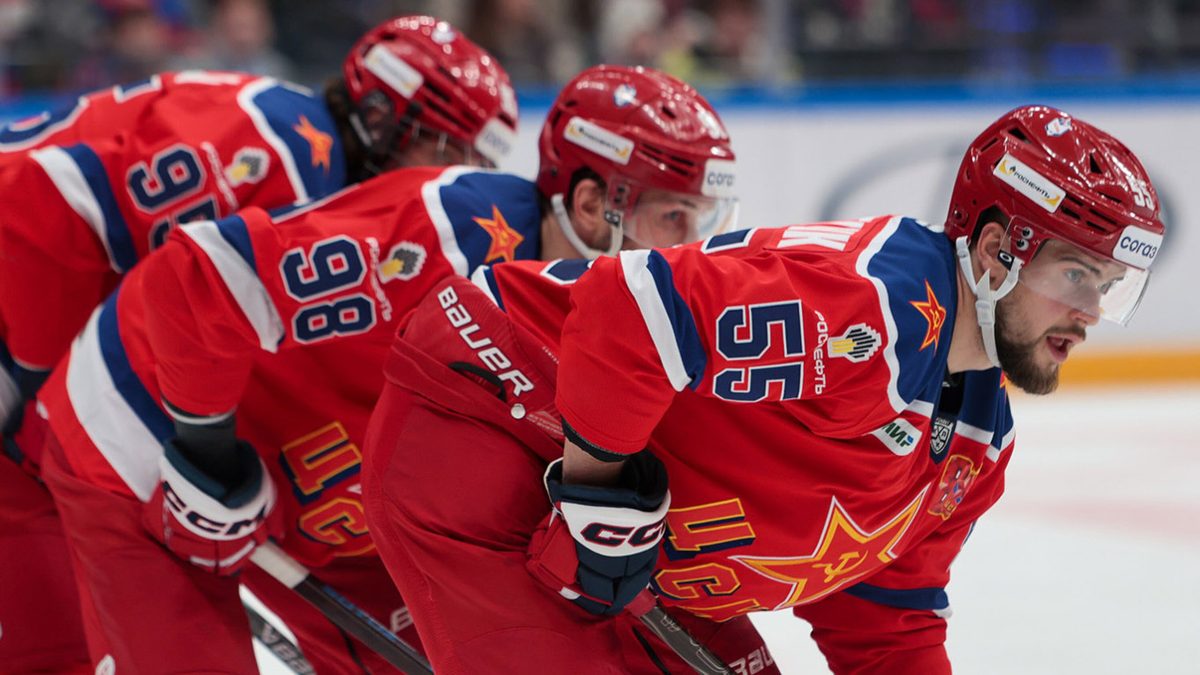
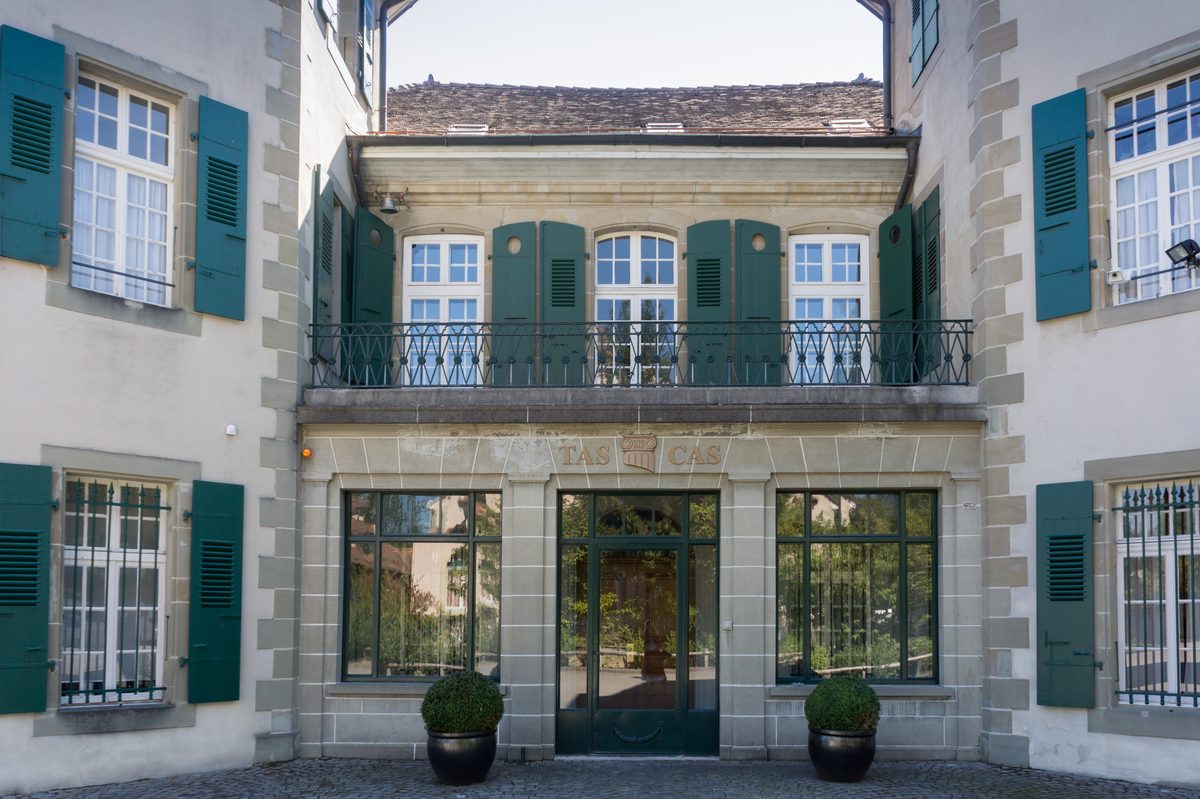
Russia's national hockey teams have been barred from international tournaments since the full-scale invasion of Ukraine in 2022. On October 30, 2026, the Court of Arbitration for Sport (CAS) ordered the International Ice Hockey Federation (IIHF) to admit them to five championships in the 2026-27 season.

The ruling settles the legal question and opens a political one. The IIHF says it will comply but warns that schedules and formats are already set. Canada, which hosts the World Juniors in Alberta in December, says it will keep restricting Russian athletes at federally funded events on its soil.

Why it matters

The ruling tests whether a sports court's order can override a host country's refusal to admit Russian teams.

Questions about this story

Free account needed to ask — your question is kept and asked for you right after sign-up. Answers are public.

No questions yet — be the first to ask.

Key Indicators

5
Championships Russia is ordered admitted to
Men's, women's, World Juniors, and U18 men's and women's events in the 2026-27 season.
4+ years
Length of the IIHF exclusion
Russia was suspended in late February 2022 after the invasion of Ukraine.
December 2026
Next flashpoint: World Juniors in Alberta
Canada hosts the tournament and says it will keep restricting Russian athletes.

Voices

Curated perspectives — historical figures and your fellow readers.

Sign up to generate historical perspectives on this story.

People Involved

Organizations Involved

Timeline

February 2022 October 2026

4 events Latest: Yesterday
Tap a bar to jump to that date
  1. IIHF accepts ruling, warns of logistics

    Statement

    The federation says it will comply but notes schedules and formats are already set.

  2. Canada rejects ruling

    Statement

    Canada's sport minister says restrictions will remain; Hockey Canada seeks clarity on the Alberta World Juniors.

  3. IIHF suspends Russia and Belarus

    Sanction

    The federation bars both countries' teams indefinitely, citing safety and competition integrity after the Ukraine invasion.

Scenarios

1

Russia plays at the 2027 World Juniors in Alberta

Possible Resolves by Jan 10, 2027

Discussed by: Hockey Canada, IIHF

If Canada's federal restrictions do not block entry and the IIHF implements the order on short notice, Russia appears at the World Juniors in Edmonton and Red Deer. Hockey Canada has asked for clarity on whether that is possible.

2

Canada bars Russia from the Alberta World Juniors

Possible Resolves by Jan 10, 2027

Discussed by: Canada's sport minister, Hockey Canada

Canada says it will maintain restrictions on Russian athletes at events it funds and hosts. If applied to the World Juniors, Russia stays out of the Alberta tournament despite the CAS order, pitting host-country policy against the ruling.

3

Russia plays the 2027 men's world championship

Likely Resolves by May 31, 2027

Discussed by: IIHF, international hockey federations

The IIHF is bound by the ruling, and the men's world championship in May 2027 is farther from Canadian hosting politics. If implementation proceeds, Russia plays there even as some federations object.

Historical Context

3 moments from history that rhyme with this story — and how they unfolded.

1980-1984

Olympic boycotts (1980 and 1984)

The United States led dozens of countries in boycotting the 1980 Moscow Olympics after the Soviet invasion of Afghanistan. Four years later, the Soviet Union and its allies boycotted the Los Angeles Games in return.

Then

Two consecutive Olympiads were depleted of major competitors and medals were redistributed.

Now

Established that host and bloc politics can override the ideal of universal participation, and that boycotts cut both ways.

Why this matters now

Shows how geopolitical conflict reshapes who is allowed to compete, and how exclusion can be answered with counter-exclusion.

1964-1991

South Africa's sports isolation (1964-1991)

South Africa was excluded from the 1964 Tokyo Olympics over apartheid, formally expelled from the International Olympic Committee in 1970, and kept out of most international sport for two decades.

Then

South African teams and athletes were largely absent from global competition.

Now

Readmission followed the end of apartheid; South Africa competed at the 1992 Barcelona Olympics.

Why this matters now

A precedent for sports bans as a political tool, and for the political conditions under which they are lifted.

2022-2024

IOC shift on Russian athletes after 2022

After the Ukraine invasion, the International Olympic Committee recommended excluding Russian and Belarusian teams, then later moved toward allowing some athletes to compete as neutrals under conditions.

Then

Different sports set different rules, producing an uneven landscape of inclusion and exclusion.

Now

Created a patchwork in which courts and individual federations, not a single global policy, decided Russian participation.

Why this matters now

Explains why a single court ruling, rather than a unified sports policy, now determines whether Russia returns to hockey.

Sources

(10)