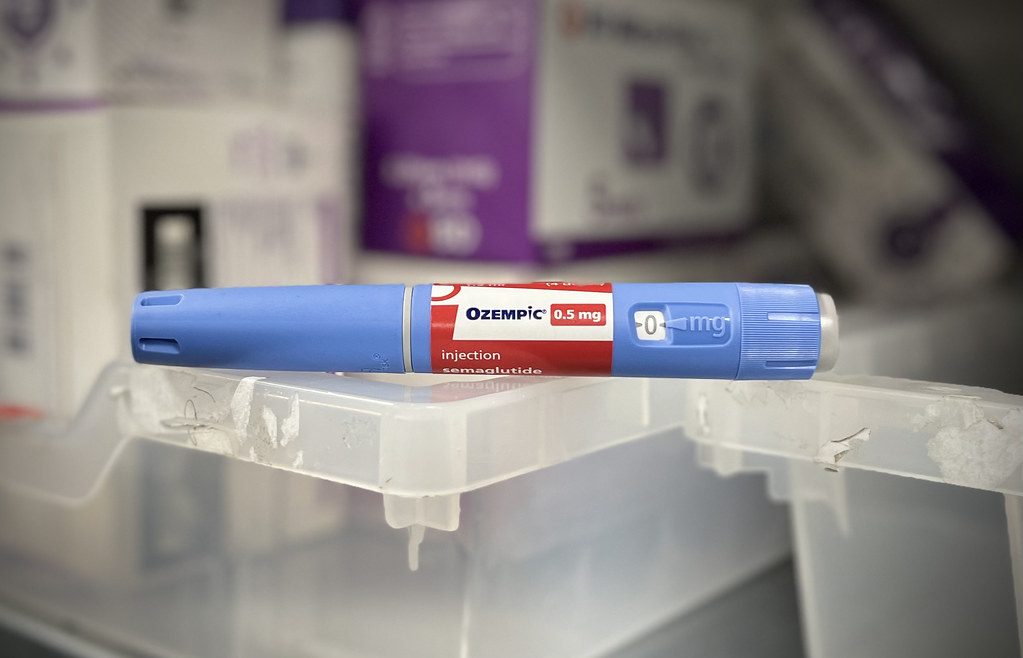
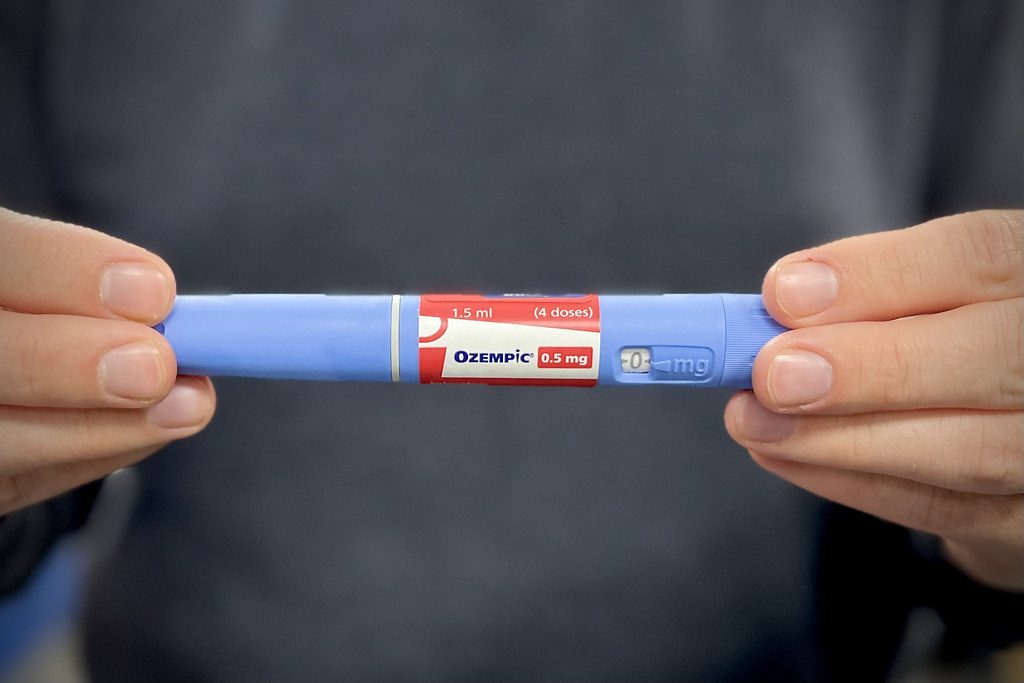
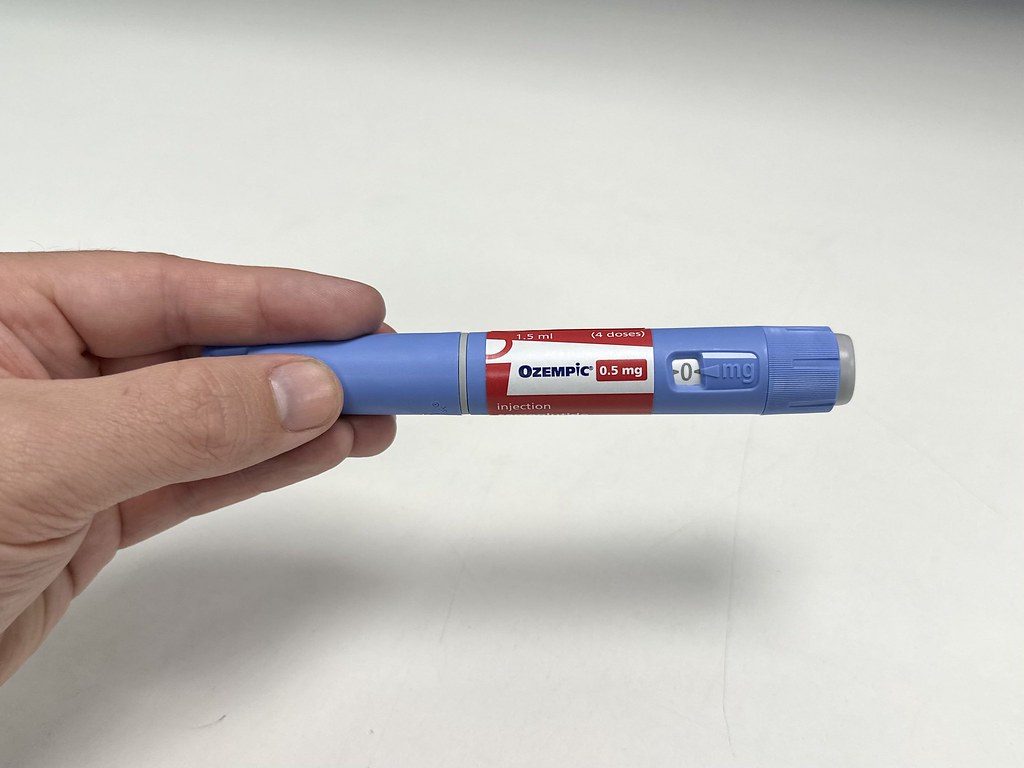
More than 30 million Americans now take GLP-1 receptor agonist drugs like Ozempic and Wegovy to lose weight. A persistent concern has dogged the medications since their rise: that they burn through muscle along with fat, leaving patients weaker even as they get thinner.
A March 2026 study in Cell Reports Medicine found that GLP-1 drugs reduce lean body mass but at a rate no higher than diet and exercise alone. Patients' actual strength remained unchanged. The finding matters because GLP-1 drugs have become the fastest-growing pharmaceutical category in history, with global sales exceeding $50 billion in 2025.
If muscle wasting were a genuine side effect, tens of millions of patients could face increased risk of falls, frailty, and long-term disability. When an obese person loses significant weight by any method, roughly a quarter of what they lose is lean tissue — GLP-1 drugs fall squarely within that expected range. The ratio of muscle to total body weight improves on the drugs, meaning patients end up leaner in relative terms.
Why it matters
If 30 million Americans are taking these drugs, knowing whether they destroy muscle or just trim fat changes the risk calculus for everyone.
Questions about this story
Free account needed to ask — your question is kept and asked for you right after sign-up. Answers are public.
No questions yet — be the first to ask.
Key Indicators
30M+
Americans taking GLP-1 drugs for weight loss
October 2025 Gallup poll found 12.4% of respondents using GLP-1s, representing over 30 million people.
~25%
Lean mass share of total weight lost
Roughly a quarter of weight lost on GLP-1 drugs is lean tissue — matching the established ratio for diet-only weight loss.
$53B
Global GLP-1 market in 2025
Sales are projected to more than double by the early 2030s, reaching an estimated $130 billion or more.
No change
Grip and knee extension strength on GLP-1s
The March 2026 study found maximum knee extension and hand grip strength remained unchanged despite muscle mass decreasing.
17 events
Latest: March 17th, 2026 · 7 months ago
Showing 8 of 17
JK to step
Tap a bar to jump to that date
Jump to
March 2026
Study finds GLP-1 muscle loss matches lifestyle interventions
LatestResearch
A study published in Cell Reports Medicine found that GLP-1 drugs predominantly reduce body fat alongside a small decrease in lean mass — but that the muscle loss is not disproportionate to conventional weight loss methods. Patients' grip strength and knee extension strength remained unchanged despite decreased muscle size.
FDA warns Novo Nordisk over unreported adverse events
Regulatory
The FDA issued a warning letter to Novo Nordisk citing failures to report serious adverse events for semaglutide products, including three patient deaths. The agency did not say the drugs caused the events — the violation was about reporting procedures.
BELIEVE trial shows bimagrumab preserves muscle on GLP-1s
Research
Results from Eli Lilly's BELIEVE trial, published in Nature Medicine, showed that adding bimagrumab to semaglutide reduced lean muscle loss from 7.9% to 2.6% over 48 weeks — preserving 67% more muscle. The finding suggested pharmaceutical solutions exist if muscle preservation proves necessary.
February 2026
Researchers warn of nutrition gaps in GLP-1 patients
Research
Researchers from University College London and the University of Cambridge warned that many patients on GLP-1 drugs were not receiving adequate guidance on protein intake and nutrition, increasing the risk of preventable muscle loss and nutrient deficiencies.
January 2026
Oral Wegovy launches, draws 170,000 prescriptions in weeks
Market
Novo Nordisk launched oral Wegovy, the first GLP-1 pill approved for obesity, in the United States. It attracted roughly 170,000 prescriptions within three weeks, signaling that adoption would continue accelerating.
October 2025
Gallup: over 30 million Americans on GLP-1s
Data
A Gallup poll found 12.4% of Americans were taking GLP-1 drugs for weight loss, representing more than 30 million people — a figure that underscored the scale of any potential safety concern.
August 2025
University of Utah study questions muscle strength
Research
University of Utah researchers raised questions about whether GLP-1 drugs might reduce muscle strength even when mass changes appear modest, calling for more clinical studies focused on functional outcomes rather than just tissue volume.
February 2025
SURMOUNT-1 body composition data published
Research
Body composition results from the SURMOUNT-1 trial showed tirzepatide reduced fat mass by 33.9% and lean mass by 10.9% over 72 weeks. The proportion of weight lost as lean mass — roughly 25% — was identical in drug and placebo groups.
December 2024
Network meta-analysis quantifies GLP-1 lean mass loss
Research
A meta-analysis of 22 randomized controlled trials in the journal Metabolism found GLP-1 drugs reduce lean mass by an average of 0.86 kilograms, comprising about 25% of total weight loss — matching the established 'quarter fat-free mass rule' for conventional dieting.
October 2024
Circulation review reframes muscle loss as 'adaptive'
Research
A review in Circulation by Jennifer Linge, Andreas Birkenfeld, and Ian Neeland concluded that skeletal muscle changes on GLP-1 drugs appear adaptive — proportional to expected changes given aging and weight loss — with improved muscle quality through reduced fat infiltration.
March 2024
Wegovy approved for heart disease risk reduction
Regulatory
Based on the SELECT trial, the FDA approved Wegovy as the first weight loss drug also indicated for reducing cardiovascular events — a landmark expansion suggesting benefits beyond weight loss alone.
November 2023
Zepbound approved for obesity
Regulatory
The FDA approved tirzepatide (branded Zepbound) for chronic weight management, giving Eli Lilly a direct competitor to Novo Nordisk's Wegovy in the obesity market.
May 2022
Mounjaro approved as first dual-agonist GLP-1 drug
Regulatory
The FDA approved tirzepatide (branded Mounjaro) for type 2 diabetes. It was the first drug to target both GLP-1 and GIP receptors, produced by Eli Lilly.
January 2022
'Ozempic face' enters the cultural lexicon
Cultural
Dermatologist Paul Jarrod Frank coined the term 'Ozempic face' to describe hollowed cheeks and sagging skin from rapid GLP-1-driven weight loss. The phrase became a media phenomenon, amplifying public worry about body composition changes.
December 2021
STEP 1 body composition data raises muscle concerns
Research
A substudy of 140 STEP 1 participants using dual-energy X-ray absorptiometry (DXA) scans showed lean body mass decreased 9.7% from baseline on semaglutide, sparking the first wave of concern about muscle wasting. However, the lean-to-fat mass ratio actually improved from 1.34 to 1.57.
June 2021
Wegovy approved for weight management
Regulatory
The FDA approved semaglutide 2.4 mg (branded Wegovy) for chronic weight management in adults with obesity or overweight with at least one weight-related condition. The STEP 1 trial showed average weight loss of about 15%.
December 2017
Ozempic approved for diabetes
Regulatory
The FDA approved semaglutide injection (branded Ozempic) for type 2 diabetes treatment, marking the entry of the molecule that would later reshape weight loss medicine.
Scenarios
1
Muscle loss fears fade as evidence accumulates
Likely
Discussed by: Circulation reviewers (Linge, Birkenfeld, Neeland), American Diabetes Association, Cell Reports Medicine study authors
As multiple large studies converge on the same conclusion — that GLP-1-associated muscle loss is proportional to any comparable weight loss — the concern gradually exits mainstream medical debate. No label changes are required. Prescribing patterns continue to accelerate, particularly after oral formulations remove the injection barrier. The 'Ozempic face' phenomenon persists as a cosmetic concern but is understood as a consequence of rapid weight loss itself, not a drug-specific problem.
2
Combination therapies become standard to preserve muscle
Even as the 'disproportionate muscle loss' narrative weakens, pharmaceutical companies and clinicians push combination approaches — drugs like bimagrumab paired with GLP-1s, or structured resistance training programs prescribed alongside medication. This becomes the standard of care not because GLP-1s are uniquely harmful to muscle, but because preserving lean mass during any significant weight loss improves long-term outcomes. Eli Lilly's investment in Versanis Bio pays off as muscle-preserving add-ons become a new revenue category.
3
Long-term studies reveal functional decline in older patients
Possible
Discussed by: University of Utah researchers, geriatric medicine specialists, University College London/Cambridge nutrition researchers
While short- and medium-term studies show preserved strength, five- to ten-year follow-up data reveals that cumulative lean mass loss in older GLP-1 patients — especially those with inadequate protein intake or exercise — accelerates age-related sarcopenia. Regulatory agencies require new label warnings about muscle monitoring in patients over 65. This doesn't end GLP-1 prescribing but creates a more nuanced risk-benefit framework stratified by age.
Discussed by: FDA safety surveillance programs, post-market study analysts
Driven by the March 2026 warning letter to Novo Nordisk and broader post-market surveillance concerns, the FDA mandates that GLP-1 prescribers conduct periodic body composition assessments or strength testing. The requirement adds cost and friction to prescribing but creates a large real-world dataset that eventually provides definitive answers about long-term muscle effects. Adoption growth slows temporarily before resuming.
Historical Context
3 moments from history that rhyme with this story — and how they unfolded.
1 of 3
1992–1997
Fen-phen weight loss drug withdrawal (1997)
The combination of fenfluramine and phentermine became the most popular weight loss treatment in America, with 18 million prescriptions written by 1996. Then researchers at the Mayo Clinic identified heart valve damage in 24 patients taking the drugs. Fenfluramine was pulled from the market in September 1997, and manufacturer American Home Products eventually paid $13 billion in settlements.
Then
Millions of patients abruptly stopped treatment. The FDA tightened requirements for weight loss drug approvals, demanding longer safety studies and cardiovascular monitoring.
Now
The episode made regulators and the public deeply suspicious of weight loss medications for nearly two decades. Every new obesity drug since has faced heightened scrutiny — the very scrutiny now being applied to GLP-1 muscle loss concerns.
Why this matters now
The fen-phen disaster is the reason muscle loss fears gain traction so quickly with GLP-1 drugs. The public and regulators have a vivid template for 'popular weight loss drug turns out to be dangerous,' which amplifies concern even when the evidence is reassuring.
2 of 3
1987–present
Statin muscle pain debate (1987–present)
When statin cholesterol drugs became widely prescribed in the 1990s, patients began reporting muscle pain, weakness, and in rare cases, a severe condition called rhabdomyolysis (muscle fiber breakdown). One statin, cerivastatin (Baycol), was withdrawn in 2001 after 52 deaths from rhabdomyolysis. The question of whether statins cause clinically meaningful muscle problems in most patients became one of the longest-running debates in medicine.
Then
Baycol's withdrawal intensified scrutiny of all statins. Muscle-related warnings were added to labels. Some patients stopped taking statins due to fear of muscle damage.
Now
Large randomized trials eventually showed that most reported statin muscle symptoms were likely nocebo effects — patients expecting side effects and attributing normal aches to the drug. Statins remained standard of care, but the 'muscle fear' narrative reduced adherence for years, potentially costing lives from untreated cardiovascular disease.
Why this matters now
The statin parallel is the closest analogue to the GLP-1 muscle debate. A widely prescribed drug category faces persistent muscle-related safety concerns that initial evidence suggests may be overstated. The risk is the same: if fear outpaces evidence, patients who would benefit may avoid or abandon treatment.
3 of 3
July 2002–2010s
HRT safety reversal after Women's Health Initiative (2002)
The Women's Health Initiative trial was halted early in July 2002 after finding that hormone replacement therapy (HRT) increased breast cancer and cardiovascular risk in postmenopausal women. Millions of women stopped HRT almost overnight. Over the following decade, reanalysis revealed the risks were concentrated in older women who started HRT long after menopause — for younger women near menopause, the benefits likely outweighed the risks.
Then
HRT prescriptions dropped by more than 50% within two years. Many women suffered unnecessary menopausal symptoms.
Now
Medical guidelines were eventually updated to support HRT for appropriate patients, but prescribing never fully recovered. The episode demonstrated how a single dramatic finding can permanently alter prescribing patterns even after the science is clarified.
Why this matters now
Illustrates how early safety signals — even those later shown to be more nuanced than initially reported — can permanently shape public perception of a drug class. The GLP-1 muscle debate carries the same risk: if the 'muscle wasting' narrative hardens before the evidence is fully understood, it could deter patients who would benefit.