

Pull to refresh
Logo
Daily Brief
Following
Why Sign Up
Japan seeks direct talks with Iran as US strike deadline nears

Japan seeks direct talks with Iran as US strike deadline nears

Force in Play
By Newzino Staff |

Tokyo leverages its unique position as a US ally with Iranian ties to broker an off-ramp before Trump's Tuesday ultimatum

Today: Japan announces summit talks with Iran

Overview

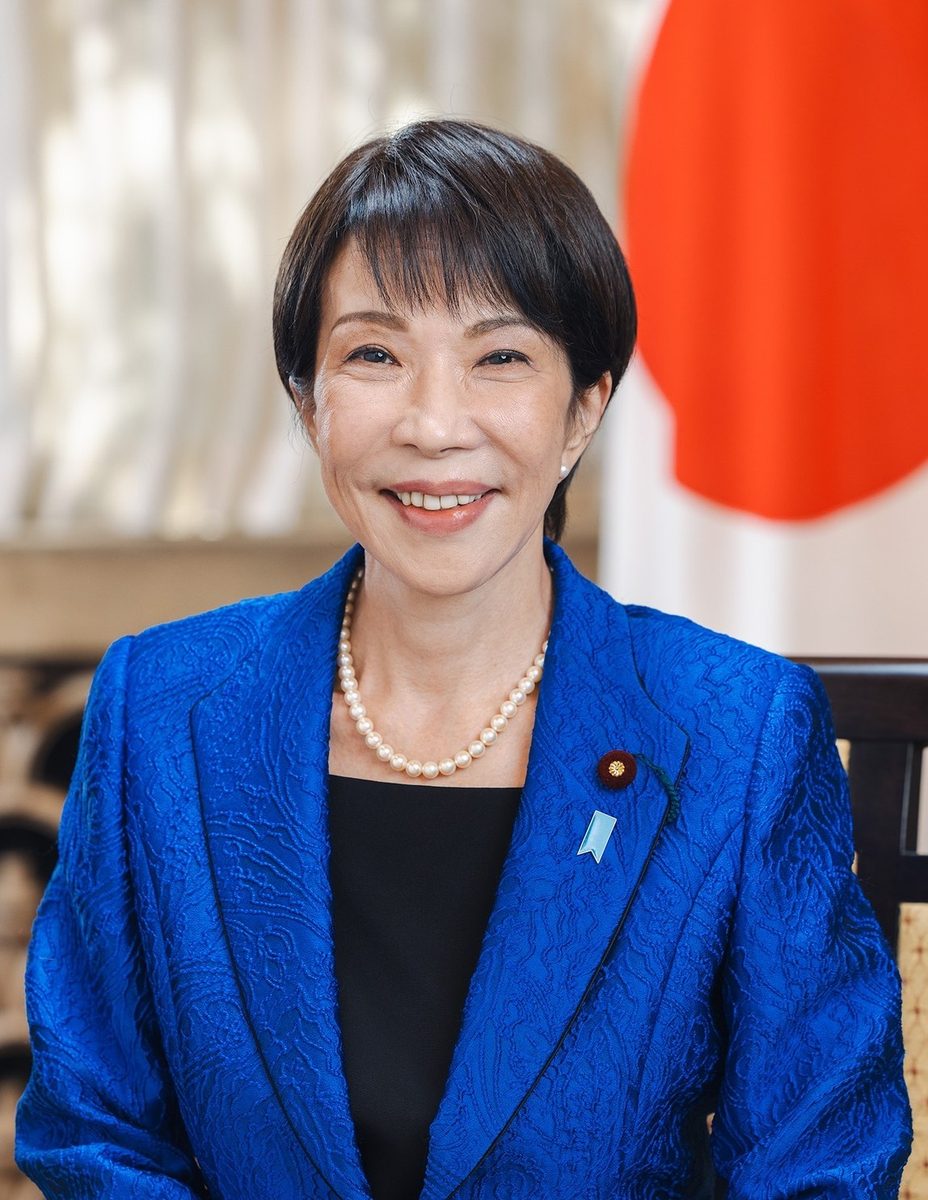
Japan imports over 90% of its oil through the Strait of Hormuz. Iran shut that strait six weeks ago. Now Japanese Prime Minister Sanae Takaichi is attempting what her predecessor Shinzo Abe tried and failed to do in 2019: talk Tehran down from the brink, this time with far higher stakes and a ticking clock set by Washington.

Why it matters

If the Strait of Hormuz stays closed, one-fifth of the world's oil supply remains bottlenecked, driving global energy prices and inflation higher for months.

Key Indicators

93%
Japan's oil imports through Hormuz
Nearly all of Japan's oil passes through the strait Iran has closed since March 1.
$126/bbl
Peak Brent crude price
Oil surged past $100 for the first time in four years after the strait closure, peaking at $126.
37
Days of war
The conflict is now in its sixth week with no ceasefire agreement.
80M barrels
Japan's emergency oil release
Japan began drawing down strategic reserves on March 16, covering roughly 45 days of domestic demand.
90%
Japanese public anxiety
Nine in ten Japanese citizens expressed anxiety about the war's economic impact in mid-March polling.

Interactive

Exploring all sides of a story is often best achieved with Play.

Ever wondered what historical figures would say about today's headlines?

Sign up to generate historical perspectives on this story.

Sign Up

Debate Arena

Two rounds, two personas, one winner. You set the crossfire.

People Involved

Organizations Involved

Timeline

  1. Japan announces summit talks with Iran

    Diplomacy

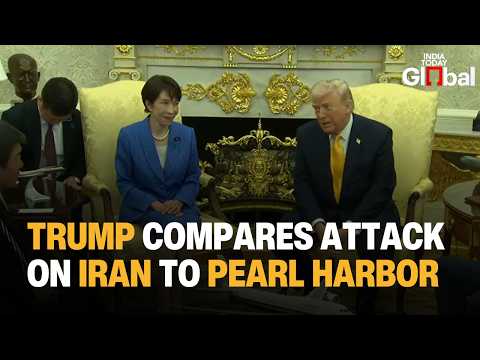
    Prime Minister Takaichi told parliament that Japan is arranging leadership-level talks with Iran — the first direct contact since the war began — and plans a separate call with Trump before the Tuesday deadline.

  2. Trump sets 48-hour ultimatum on Hormuz

    Escalation

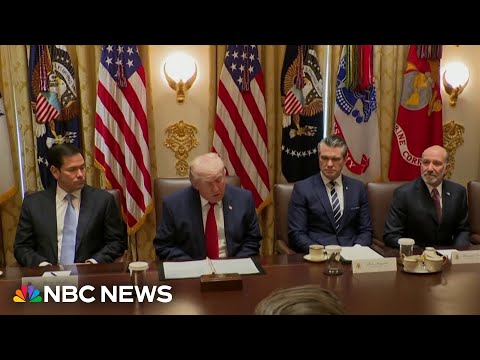
    Trump threatened to bomb Iranian power plants and bridges if the strait is not reopened by Tuesday, April 7. Iran rejected a temporary ceasefire proposal the same day.

  3. Iran's Pezeshkian publishes open letter to Americans

    Diplomacy

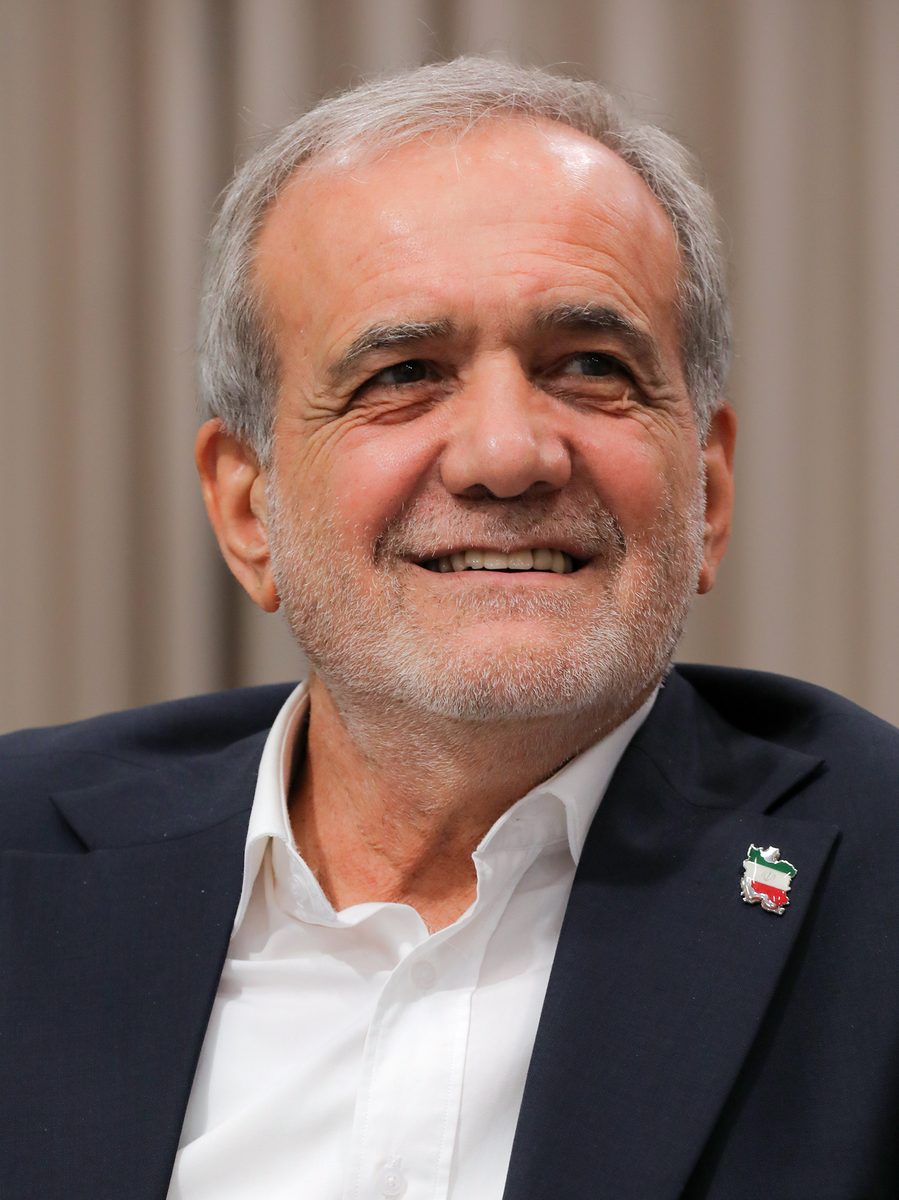
    The Iranian president asked whether the war truly served 'America First,' signaling continued willingness to negotiate while seeking to build American public pressure for de-escalation.

  4. Trump extends strike pause to April 6

    Diplomacy

    The president cited progress in negotiations as the reason for a further extension.

  5. Trump postpones strikes on Iranian power plants

    Diplomacy

    Citing 'major points of agreement,' Trump delayed planned strikes for five days — the first of several deadline extensions.

  6. Takaichi meets Trump at Washington summit

    Diplomacy

    Japan joined five other nations in condemning Iran's strait closure. Takaichi and Trump agreed on expanded security cooperation including missile co-development.

  7. Japan begins releasing strategic oil reserves

    Economic

    Tokyo authorized the release of 80 million barrels — roughly 45 days of domestic demand — as the strait closure choked Japan's energy supply.

  8. UN Security Council condemns Iran's attacks on Gulf neighbors

    Diplomacy

    Resolution 2817 passed 13-0 with China and Russia abstaining, condemning Iran's strikes and reaffirming freedom of navigation through the strait.

  9. Mojtaba Khamenei named new Supreme Leader

    Political

    The Assembly of Experts named the slain leader's son as successor under reported IRGC pressure. He vowed revenge and pledged to maintain the strait closure.

  10. Iran retaliates and closes the Strait of Hormuz

    Military

    Iran launched hundreds of drones and ballistic missiles at Israel and US bases across the Gulf. The IRGC issued VHF warnings that no ships would be permitted through the Strait of Hormuz.

  11. US and Israel launch Operation Epic Fury

    Military

    Nearly 900 airstrikes hit Iran in 12 hours, targeting military infrastructure and leadership. Supreme Leader Ali Khamenei was killed in the strikes.

  12. US and Iran hold indirect nuclear talks in Oman

    Diplomacy

    The two sides engaged in indirect negotiations in Muscat, with Iran's foreign minister later saying a 'historic' agreement was 'within reach.'

  13. Iran's regime crushes protests with mass killings

    Escalation

    The IRGC and Basij used live ammunition and drones against civilians. Death toll estimates range from 7,000 to over 36,000.

  14. Massive protests erupt across Iran

    Unrest

    The largest anti-government protests since the 2022 Mahsa Amini uprising broke out amid economic crisis, currency depreciation, and shortages.

Scenarios

1

Japan brokers a narrow deal: strait reopens under monitored conditions

Discussed by: The Diplomat and Japan Times analysts who note Tokyo's unique position as a US ally with historical Iranian ties and massive economic stakes

Japan's mediation produces a face-saving formula: Iran partially reopens the strait to commercial shipping under international naval escort, while the US suspends strikes on civilian infrastructure. This buys time for broader ceasefire talks without requiring either side to make large concessions upfront. Japan's credibility rests on being the only major US ally with direct economic skin in the game — 93% of its oil flows through Hormuz. The risk: Abe tried this in 2019 and failed, and Iran's hard-line Supreme Leader Mojtaba Khamenei may block any deal Pezeshkian negotiates.

2

Trump strikes Iranian power plants after deadline passes

Discussed by: Times of Israel analysts and CNN reporting that escalation is the most likely scenario entering week six

The Tuesday deadline passes without Iran reopening the strait. Trump follows through on his threat, striking power plants and bridges. This would represent a major escalation into targeting civilian infrastructure. Iran responds by intensifying attacks on Gulf shipping and potentially striking desalination plants in neighboring states. Japan's mediation effort becomes moot, and Tokyo is forced to accelerate its Hormuz-bypass oil arrangements while draining strategic reserves faster.

3

Deadline quietly extended again as back-channel talks continue

Discussed by: Analysts tracking Trump's pattern of issuing ultimatums then postponing, documented across three previous deadline extensions since March 23

Trump extends the deadline a fourth time, citing unspecified progress. This follows the established pattern: threaten strikes, claim 'major points of agreement,' push the deadline back. Meanwhile, US, Iranian, and regional mediators (particularly Oman) continue working on terms for a 45-day ceasefire. Japan's summit announcement provides additional diplomatic cover for the delay. The war settles into what analysts call a 'protracted, costly stalemate' — Iran weakened but intact, the strait partially disrupted, and negotiations producing only limited, reversible concessions.

4

Oman-brokered quiet de-escalation overtakes Japan's effort

Discussed by: Axios reporting on ongoing ceasefire discussions and analysts who expect both sides to gravitate toward 'a quiet reduction in strike tempo'

Oman, which hosted the pre-war indirect nuclear talks and has long served as a backchannel between Washington and Tehran, brokers a gradual de-escalation that renders Japan's summit unnecessary. The strait reopens incrementally without a formal announcement, allowing both sides to avoid the appearance of capitulation. Japan's initiative still serves a purpose — it signals to Iran that major economies beyond the US are invested in a resolution.

Historical Context

Abe's Iran mediation attempt (2019)

June 2019

What Happened

Japanese Prime Minister Shinzo Abe became the first sitting Japanese leader to visit post-revolutionary Iran, meeting both Supreme Leader Ali Khamenei and President Hassan Rouhani in Tehran. He carried a message from Trump and proposed a secret US-Iran summit in Tokyo. Khamenei told Abe he did not consider Trump 'worthy of exchanging messages with.' During the visit, a tanker was attacked in the Gulf of Oman, further undermining the effort.

Outcome

Short Term

The mediation produced no breakthrough. The proposed Tokyo summit never materialized, and US-Iran tensions continued to escalate through the end of 2019.

Long Term

The failure established a cautionary precedent for Japanese Middle East diplomacy but also demonstrated Tokyo's willingness to act independently on issues affecting its energy security.

Why It's Relevant Today

Takaichi's initiative directly echoes her mentor Abe's approach, but under far more extreme conditions — an active war rather than diplomatic tensions, and with Japan's oil supply already disrupted rather than merely threatened.

Japan's shuttle diplomacy during the Iran-Iraq War (1980s)

1980-1988

What Happened

During the eight-year Iran-Iraq War, Japan conducted shuttle diplomacy between Tehran and Baghdad to protect its oil imports through the Persian Gulf. This was one of the rare instances of independent Japanese diplomatic initiative during the Cold War, driven by the same vulnerability: near-total dependence on Gulf oil.

Outcome

Short Term

Japan maintained its oil supply lines and earned goodwill from an internationally isolated Iran.

Long Term

The episode established Japan's credibility as a non-threatening interlocutor with Tehran — a diplomatic asset Tokyo is now attempting to leverage again nearly four decades later.

Why It's Relevant Today

Japan's current mediation draws on the same structural logic: Tokyo has no territorial ambitions in the Middle East, no history of military intervention there, and a powerful economic incentive to keep the strait open — making it one of the few US allies Iran might talk to.

The Tanker War and Operation Earnest Will (1987-1988)

1987-1988

What Happened

During the Iran-Iraq War, both sides attacked oil tankers in the Persian Gulf, threatening global oil supplies. The US reflagged Kuwaiti tankers under the American flag and launched Operation Earnest Will to escort them through the strait. Iran laid mines and attacked shipping; the US destroyed Iranian oil platforms and naval vessels in Operation Praying Mantis, the largest US naval engagement since World War II.

Outcome

Short Term

The US successfully kept the strait open through military force, but at the cost of direct naval combat with Iran and the accidental downing of Iran Air Flight 655, killing 290 civilians.

Long Term

The episode established the US military doctrine that the Strait of Hormuz must remain open at all costs — a precedent that directly informs Trump's current ultimatums.

Why It's Relevant Today

The 1988 precedent shows that the US has used force to keep Hormuz open before, but also that military solutions carry enormous risks of escalation and civilian casualties — exactly the dynamic Japan is trying to defuse through diplomacy.

Sources

(18)