

Pull to refresh
Logo
Daily Brief
Following
Why Ranks Sign Up
SK hynix ships first 12-layer HBM4E samples for AI systems

SK hynix ships first 12-layer HBM4E samples for AI systems

New Capabilities

The memory that feeds AI chips is now the bottleneck, and SK hynix is racing Samsung to qualify the next generation

Today: SK hynix ships HBM4E samples

Overview

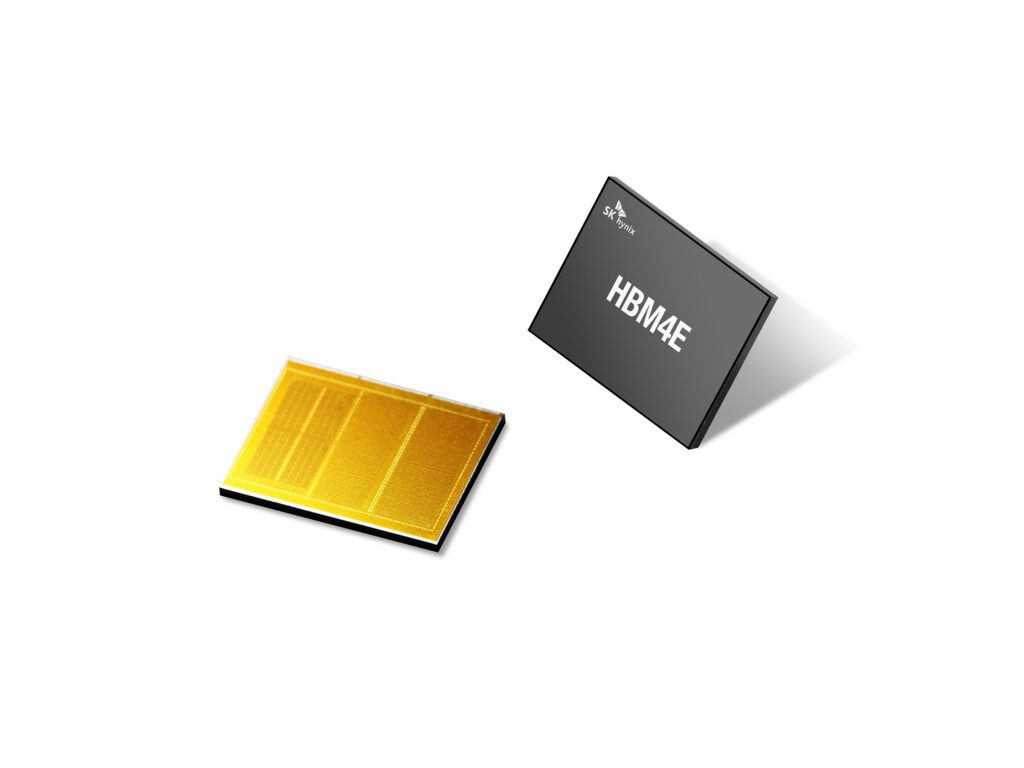
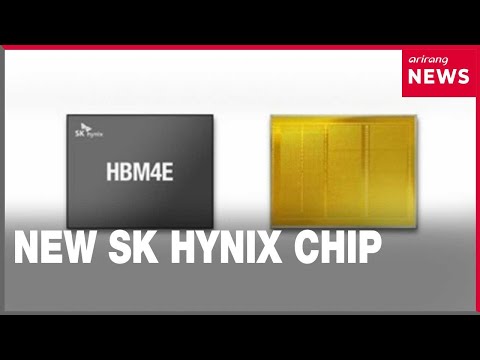
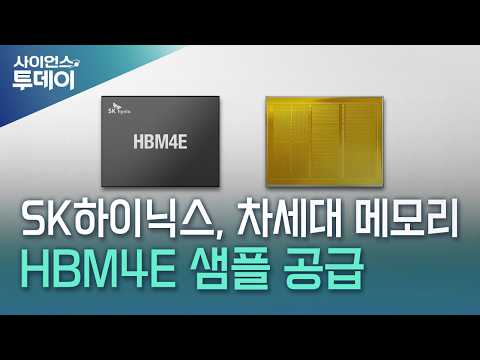
Modern AI chips can crunch numbers faster than memory can feed them data. On June 18, 2026, SK hynix said it shipped samples of HBM4E, a stacked memory chip built to narrow that gap, to major customers.

The 12-layer part holds 48 gigabytes and moves data at up to 16 gigabits per second per pin. It also draws more than 20% less power than the prior generation. Memory, not just processors, now sets the ceiling on how large an AI data center can grow.

Why it matters

The memory feeding AI processors is now the limit on data-center size. Whoever ships it fastest sets how quickly AI gets cheaper to run.

Questions about this story

No questions yet — be the first to ask.

Key Indicators

58%
SK hynix HBM revenue share
Its slice of the high-bandwidth memory market in the first quarter of 2026.
48 GB
Capacity per stack
One 12-layer HBM4E chip, up from 36 gigabytes on HBM4.
16 Gb/s
Speed per pin
Peak data rate for each of the chip's input-output pins.
20%+
Power efficiency gain
Reduction in energy use versus the prior HBM4 generation.
~70%
SK hynix share of Nvidia Rubin HBM4
Its reported allocation of memory for Nvidia's next AI platform.

Voices

Curated perspectives — historical figures and your fellow readers.

Ever wondered what historical figures would say about today's headlines?

Sign up to generate historical perspectives on this story.

Play

Exploring all sides of a story is often best achieved with Play.

Log in to play. Track your picks, climb the leaderboards. Log in Sign Up
Predict 3 ways this could play out. Contrarian picks score more — points lock when the scenario resolves. Log in to play
Higher or Lower Two numbers from this story. Guess which is bigger. 5 rounds to set a streak. Log in to play
Timeline Five events from this story — drag them oldest to newest. Log in to play
Connections Sixteen names from the news. Find the four hidden groups of four. Log in to play

People Involved

Organizations Involved

Timeline

September 2025 June 2026

5 events Latest: Today
Tap a bar to jump to that date
  1. SK hynix ships HBM4E samples

    Today Qualification

    SK hynix ships 12-layer, 48-gigabyte HBM4E samples running at up to 16 gigabits per second per pin. Its shares hit a record high.

  2. Samsung samples HBM4E first

    Qualification

    Samsung ships the industry's first 12-layer HBM4E samples to global customers, claiming a lead over SK hynix.

  3. HBM4 mass production starts

    Production

    SK hynix begins mass-producing HBM4 for Nvidia's Rubin AI chips, with a reported share near 70% of the order.

  4. Paid HBM4 samples reach Nvidia

    Qualification

    SK hynix and Samsung deliver paid HBM4 samples to Nvidia ahead of supply contracts for the Rubin platform.

  5. SK hynix finishes HBM4 first

    Milestone

    SK hynix says it is the first company to complete development of HBM4 and ready it for mass production.

Historical Context

2 moments from history that rhyme with this story — and how they unfolded.

2023–2024

The HBM3E qualification race (2023–2024)

As the AI boom took off, SK hynix qualified its HBM3E memory with Nvidia first and became its main supplier. Samsung, the larger memory maker overall, spent months trying to pass Nvidia's tests and fell behind in the most profitable memory segment.

Then

SK hynix captured most of Nvidia's HBM orders and saw profits surge. Samsung's delays cost it share and management changes followed.

Now

SK hynix entered the HBM4 era as the market leader, with roughly 58% share by early 2026.

Why this matters now

It shows why passing qualification matters more than shipping the first sample. Samsung sampled HBM4E first this time, but the HBM3E race was decided in the test lab, not at the sample stage.

2017–2019

The memory supercycle and crash (2017–2019)

A shortage of DRAM and NAND sent memory prices soaring, and SK hynix and Samsung posted record profits. Then demand cooled and new supply arrived. Prices fell hard and earnings collapsed within about a year.

Then

Memory makers booked huge profits in 2017 and 2018, then deep declines in 2019.

Now

It confirmed how cyclical memory is: record highs in chip stocks have repeatedly given way to sharp downturns.

Why this matters now

SK hynix shares hit a record on the HBM4E news. The supercycle is a reminder that memory demand and pricing can reverse quickly, even for parts in short supply today.

Sources

(8)